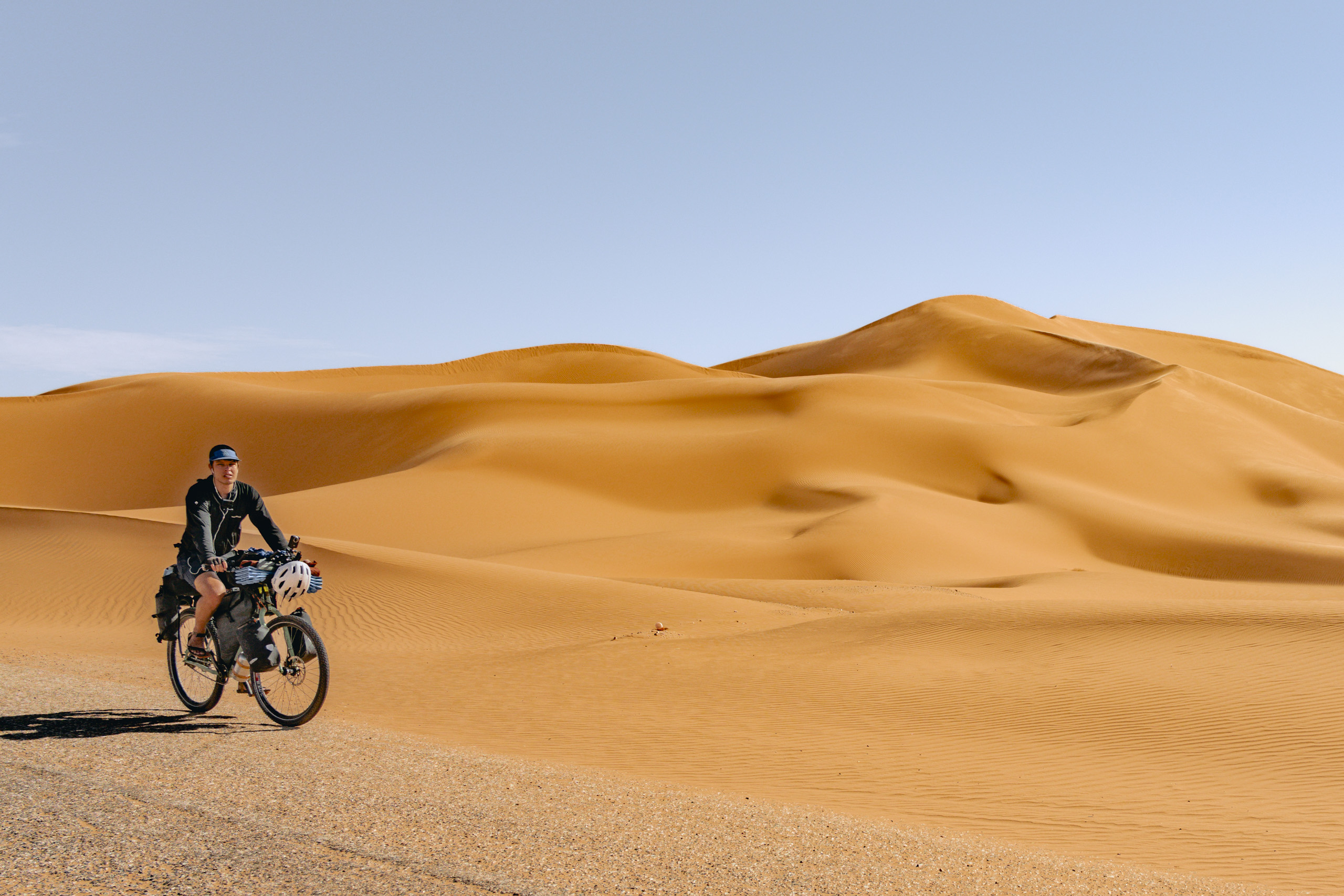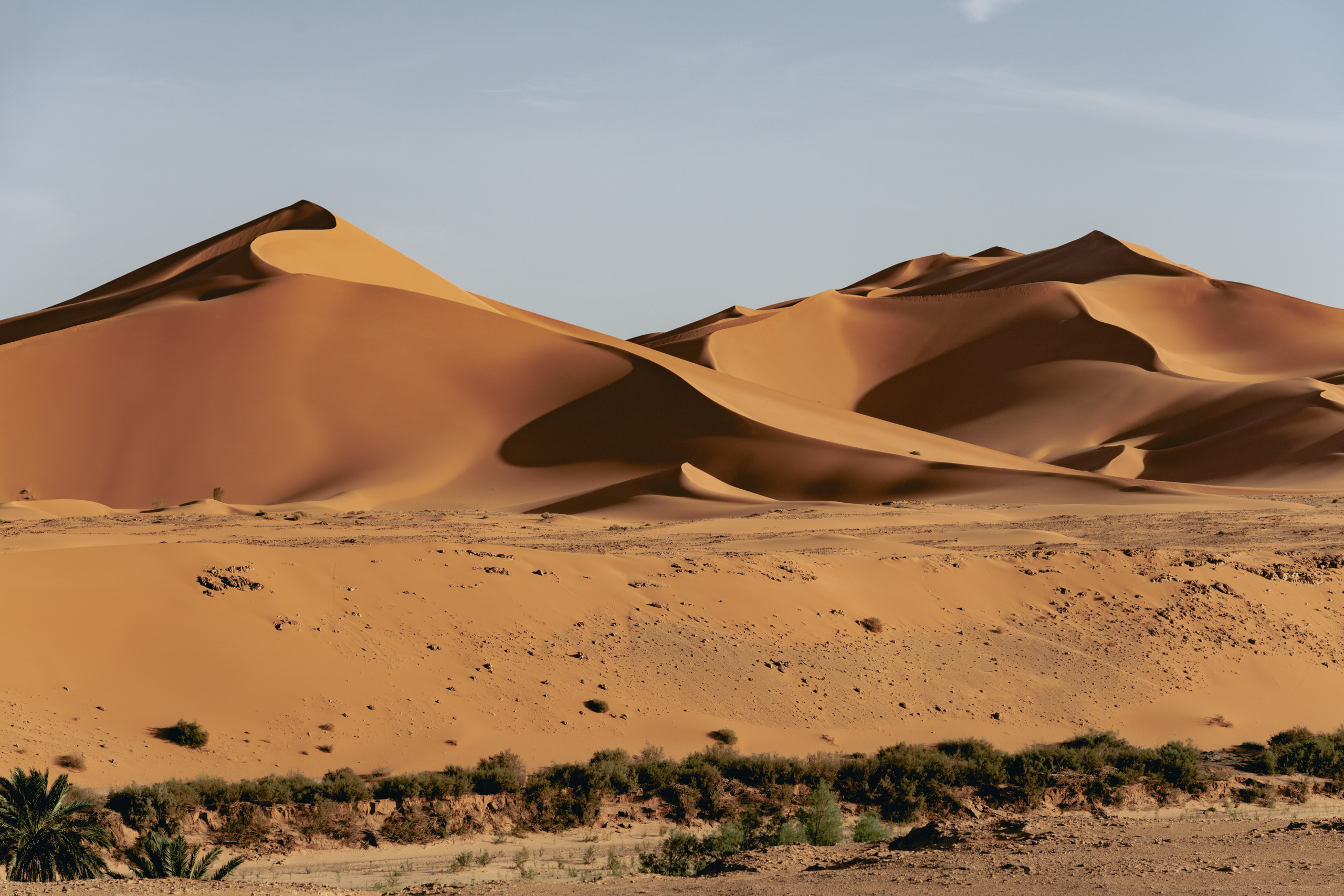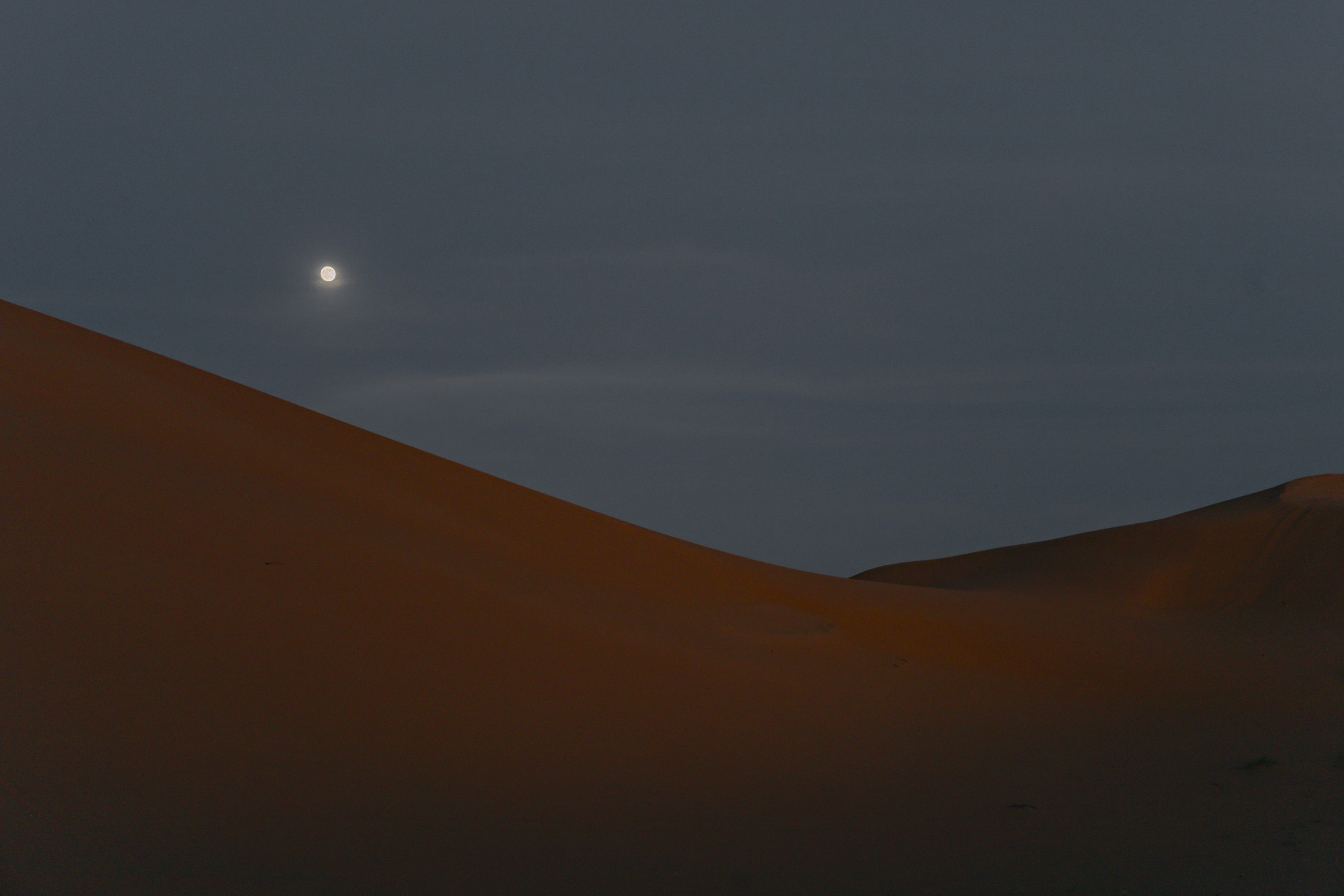
Despite being Africa’s biggest country and having countless of interesting places and sights, Algeria doesn’t see many foreign visitors. This is mainly due of the lack of tourist infrastructure and restrictions implemented by the government. Despite (or because of) this, I decided to spend a month here this past fall/winter.
The Route
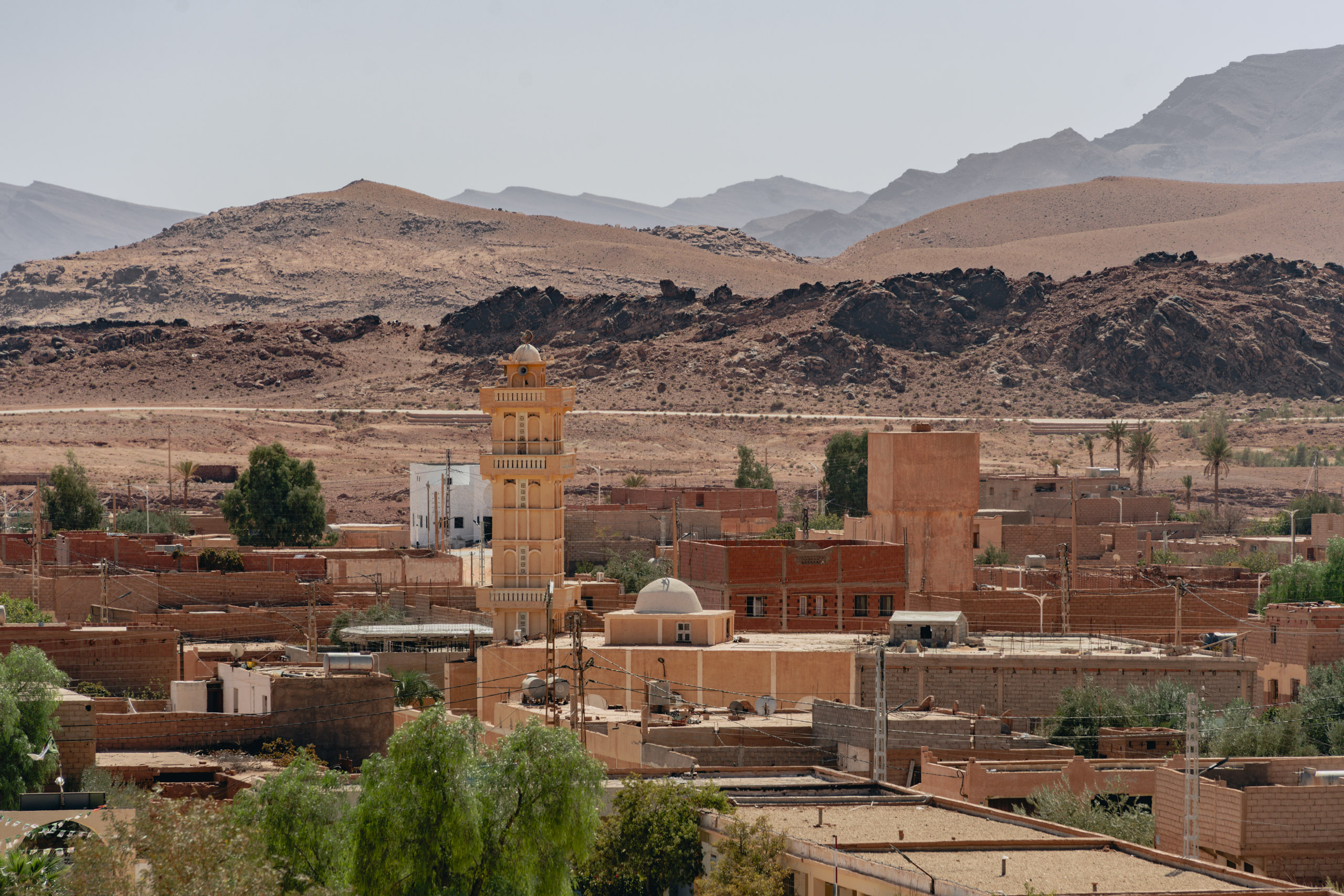
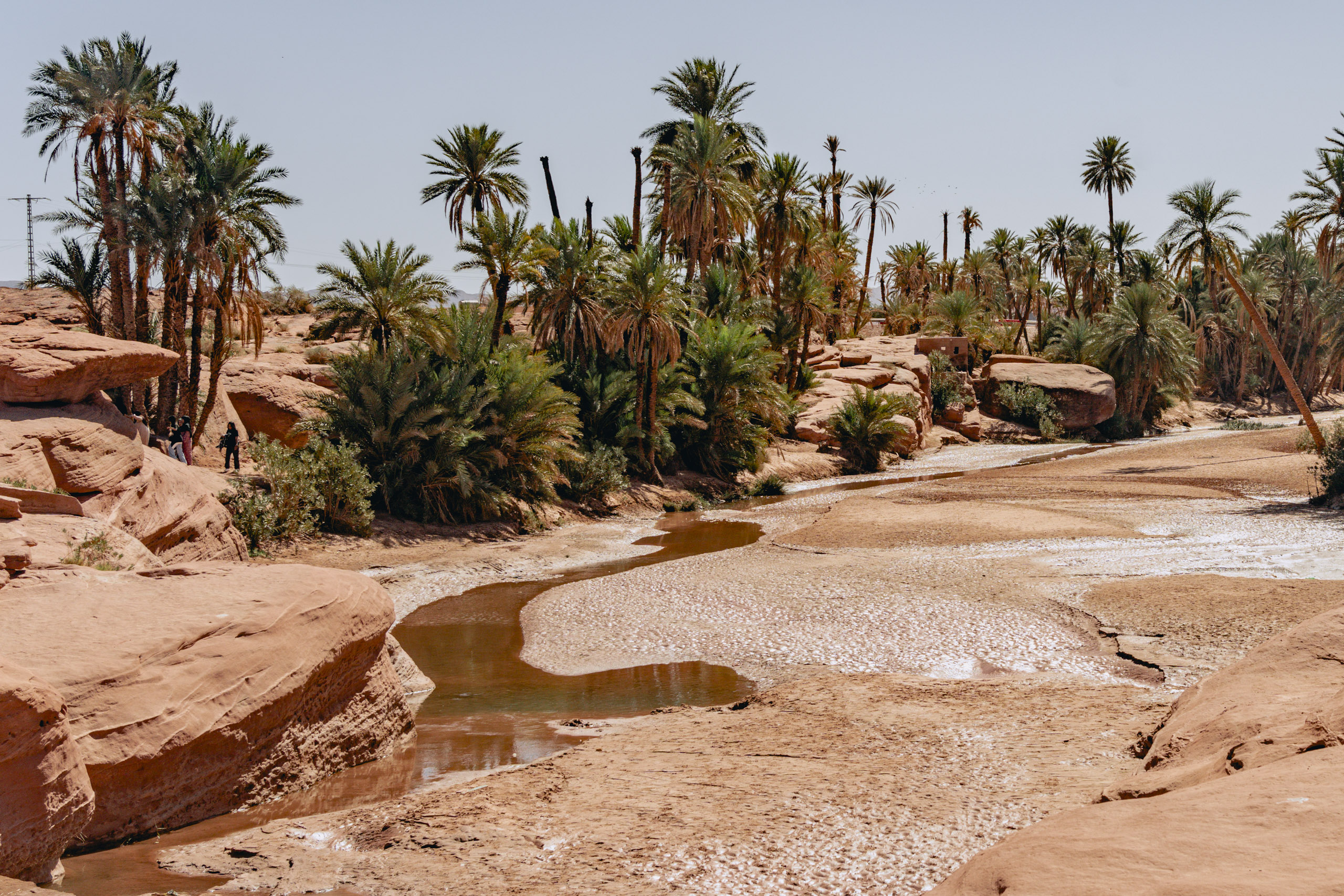
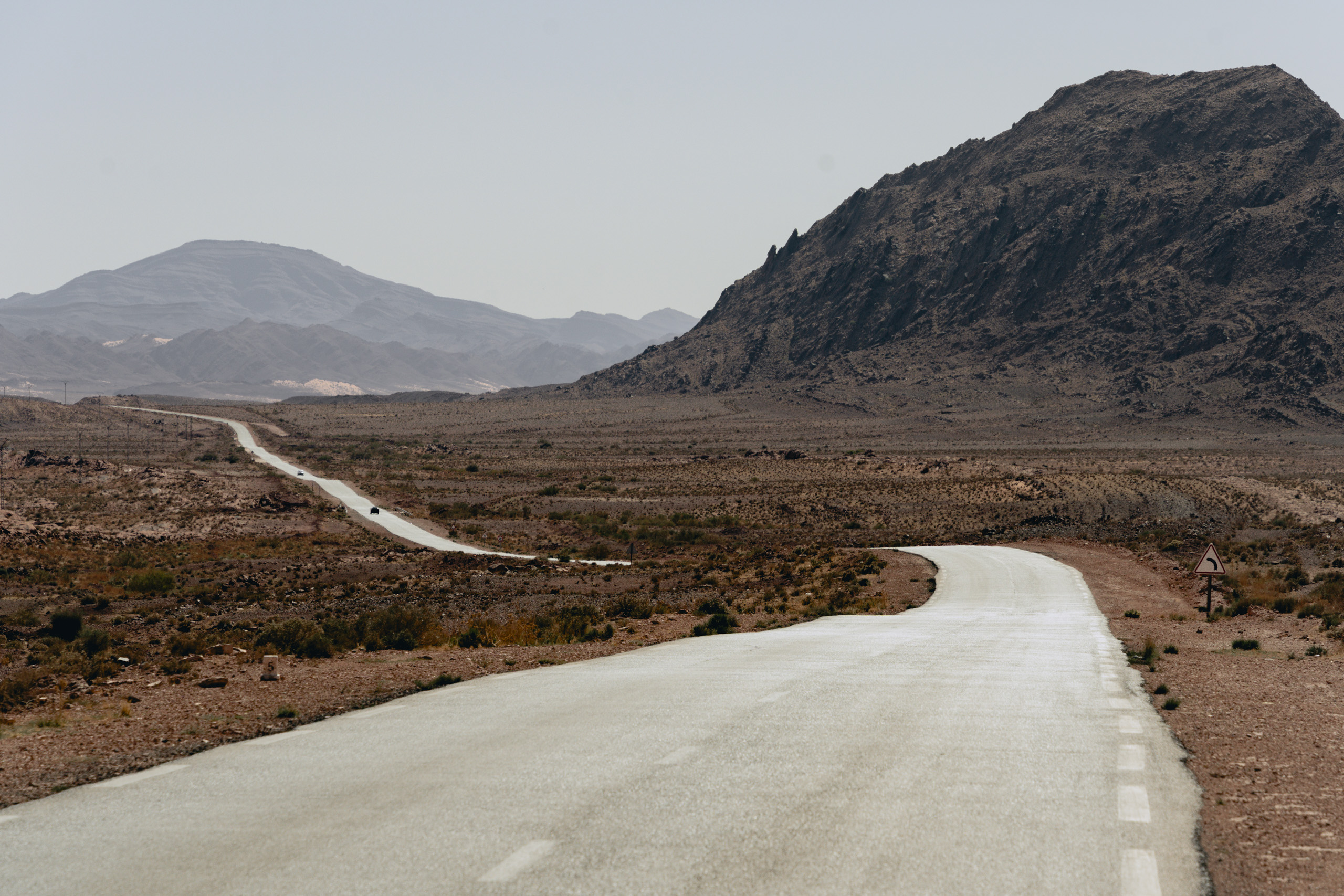
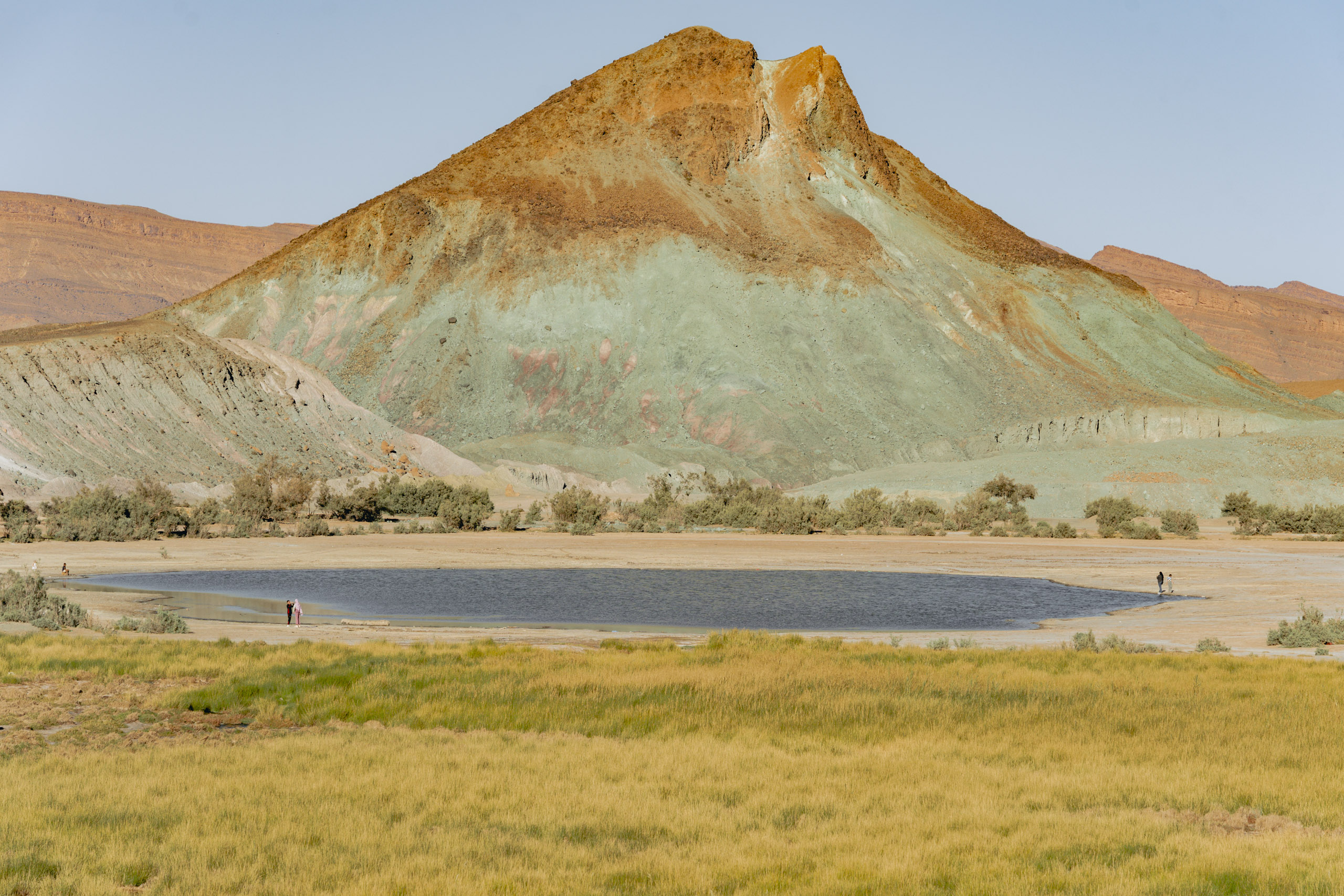
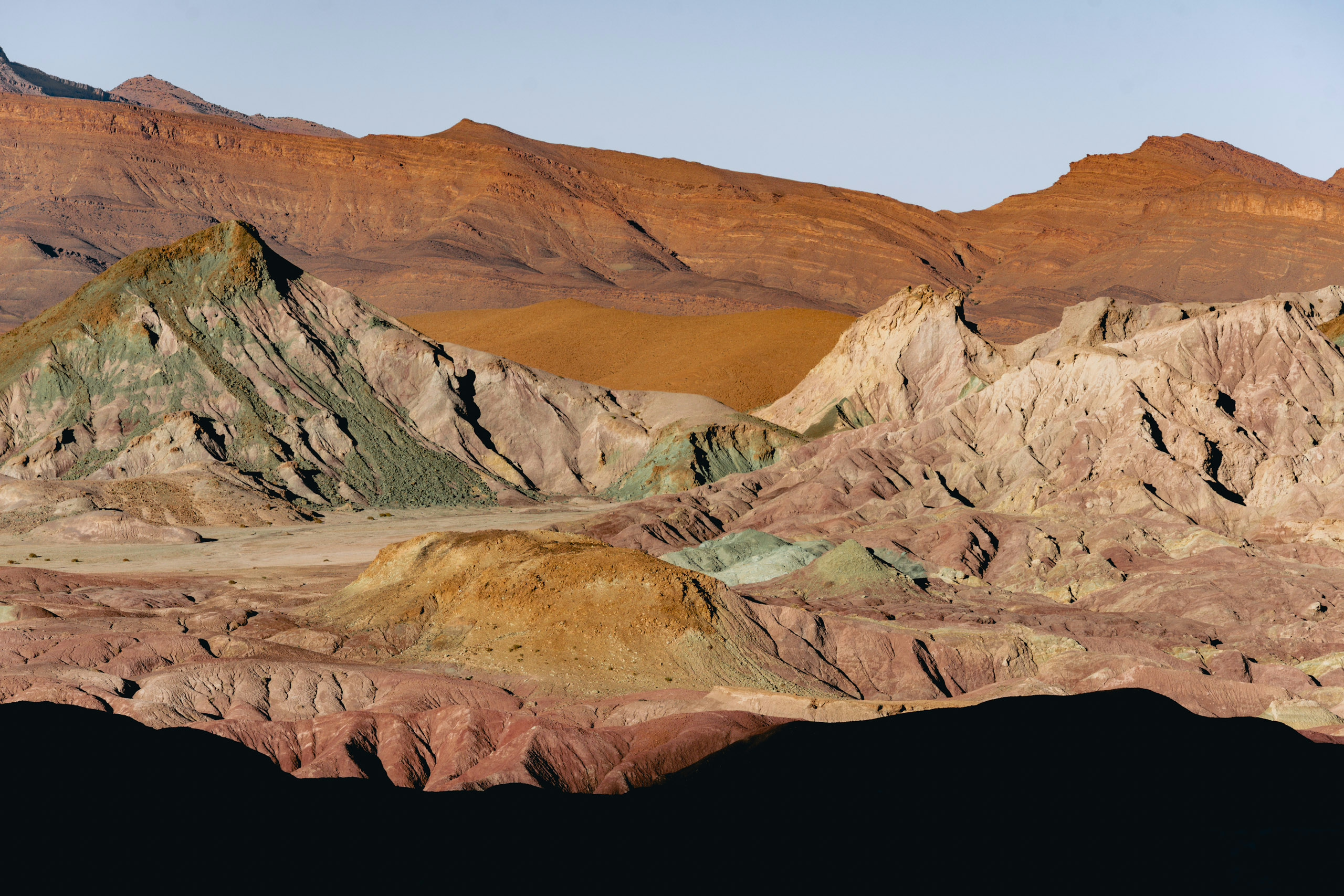
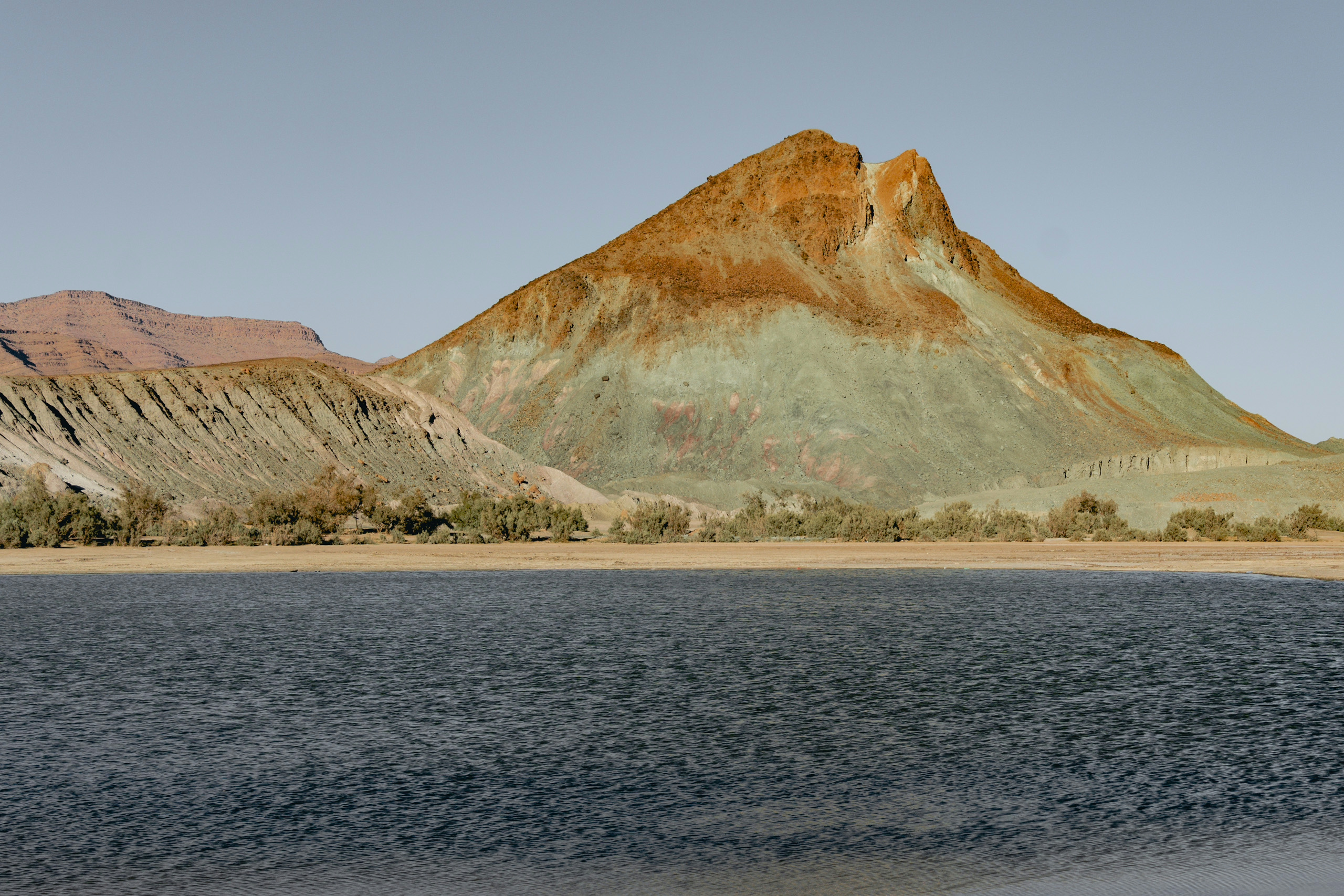
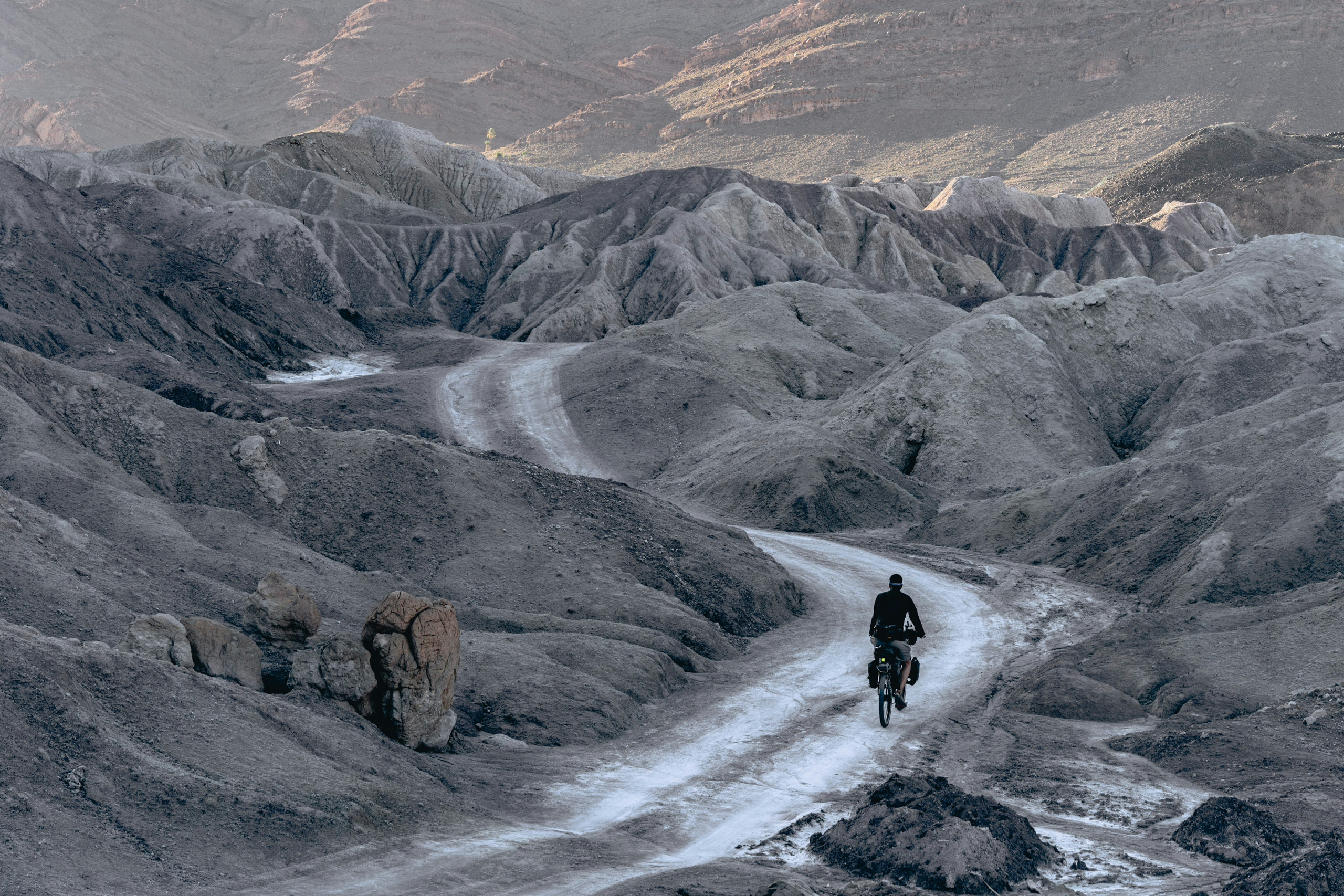
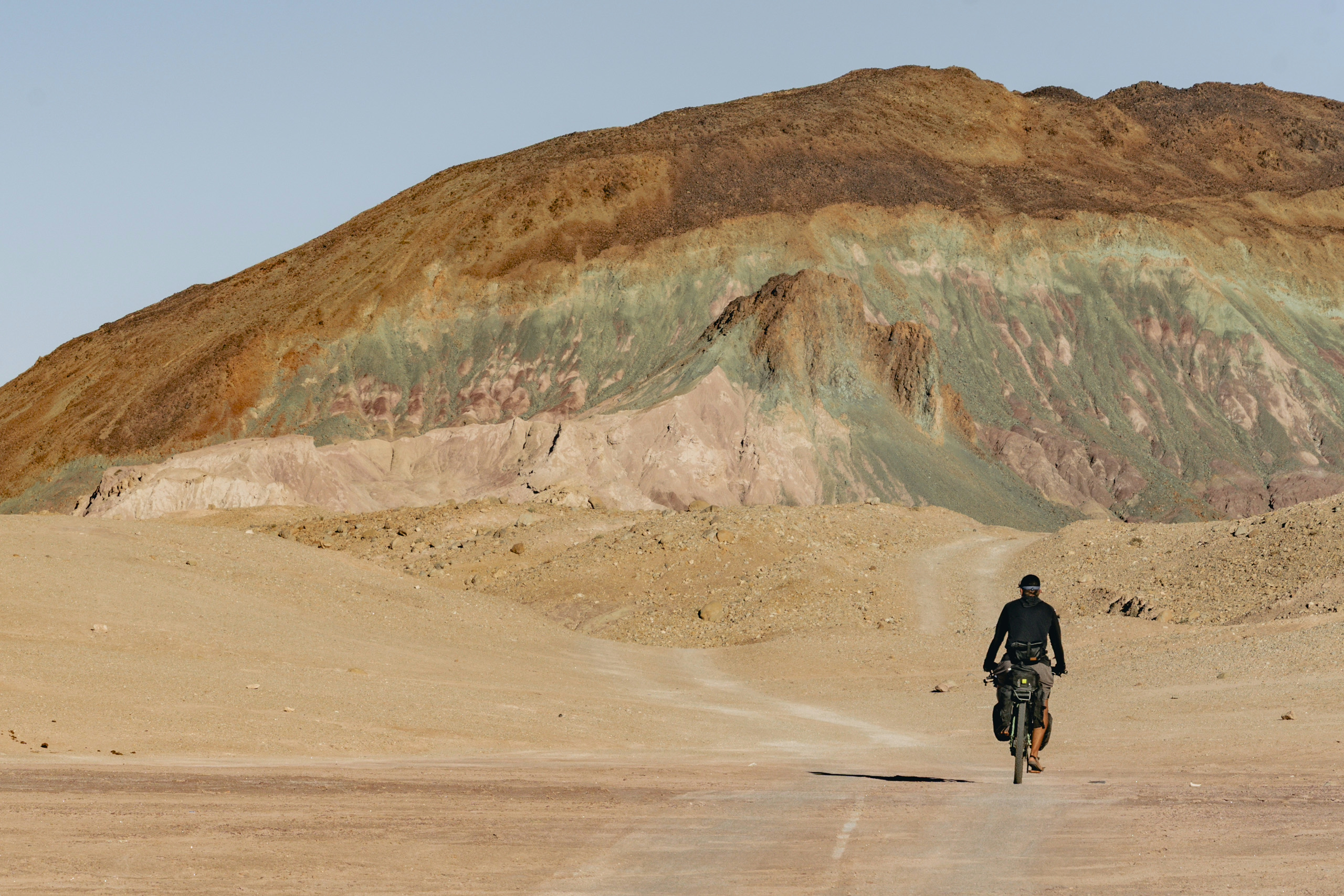
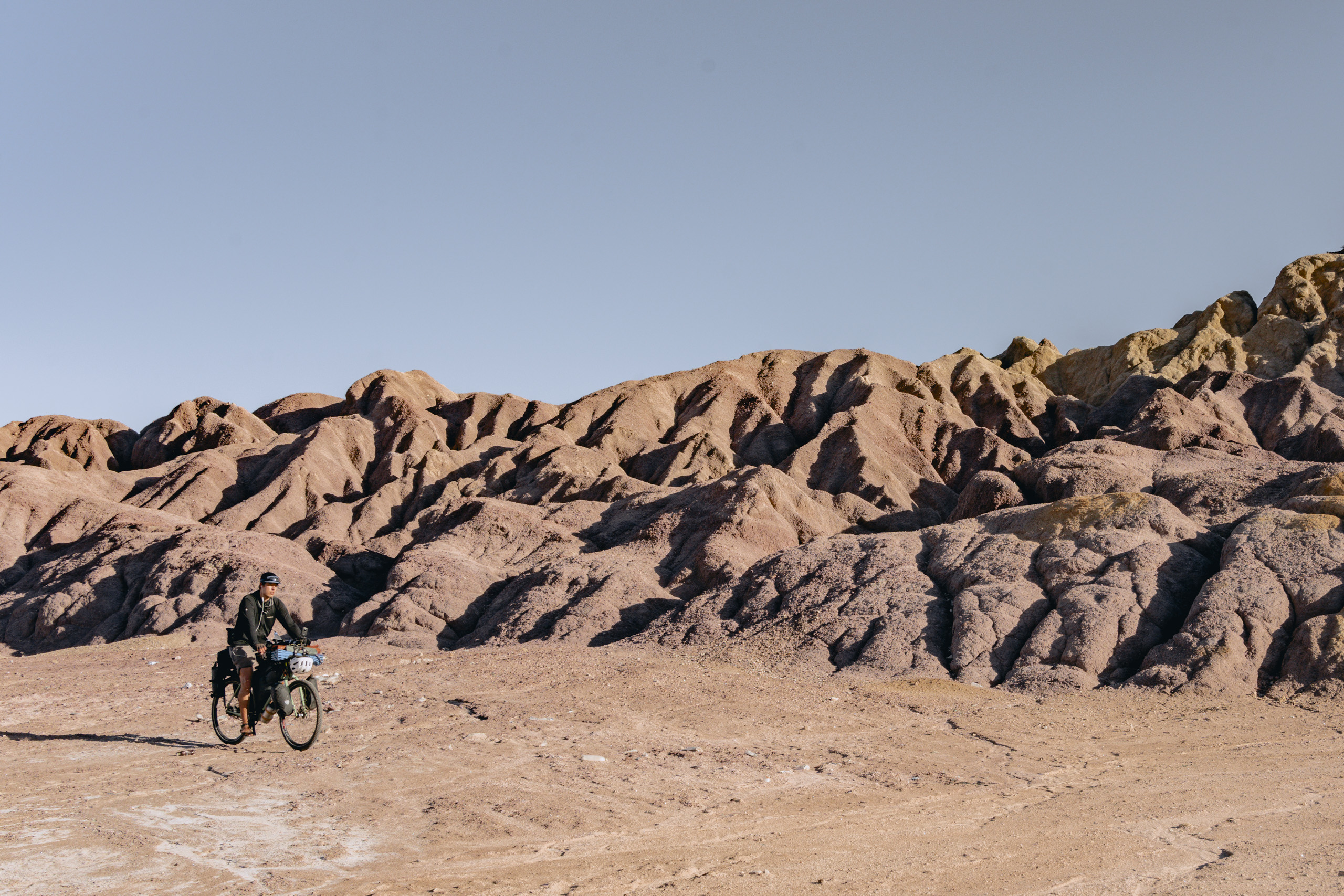
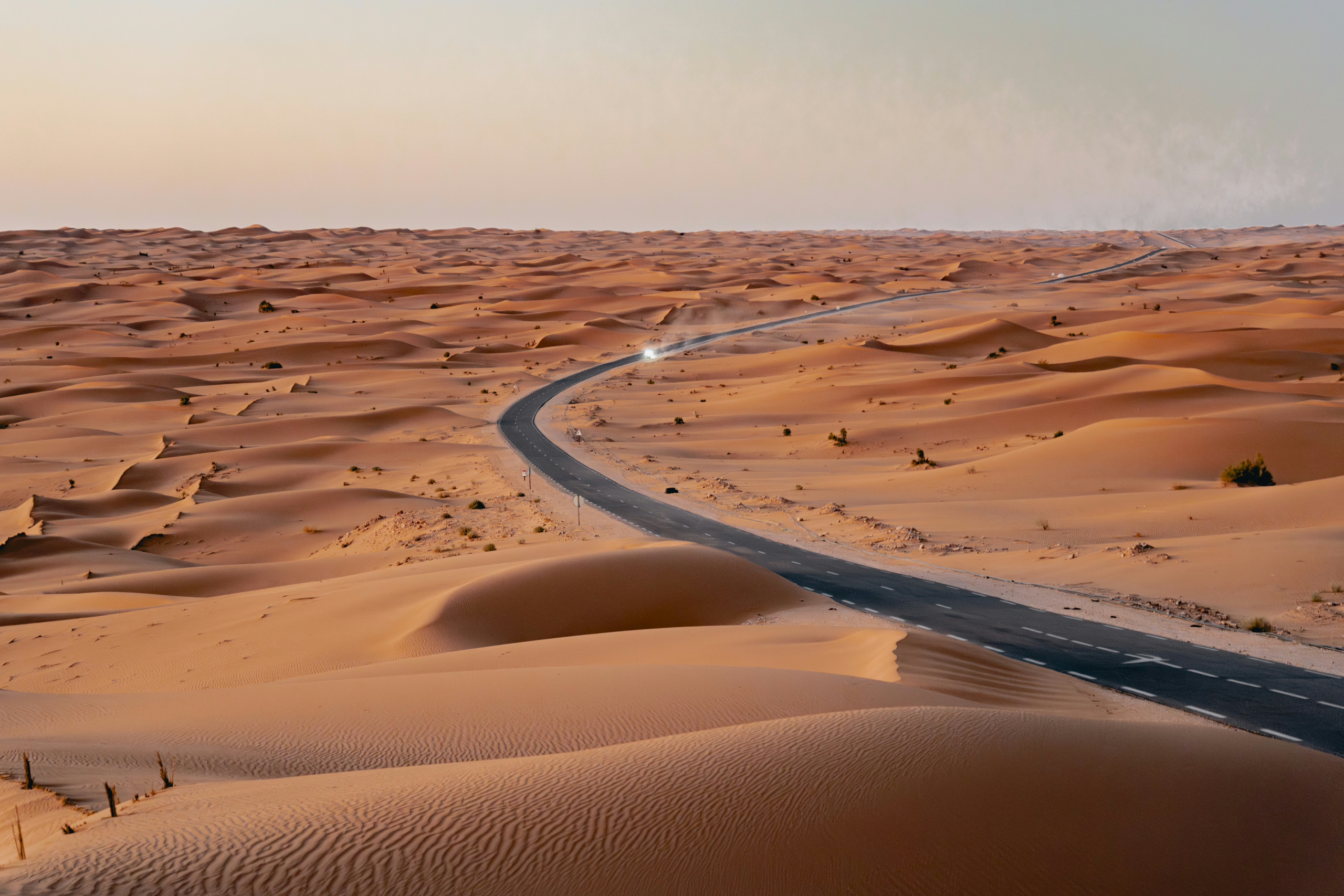
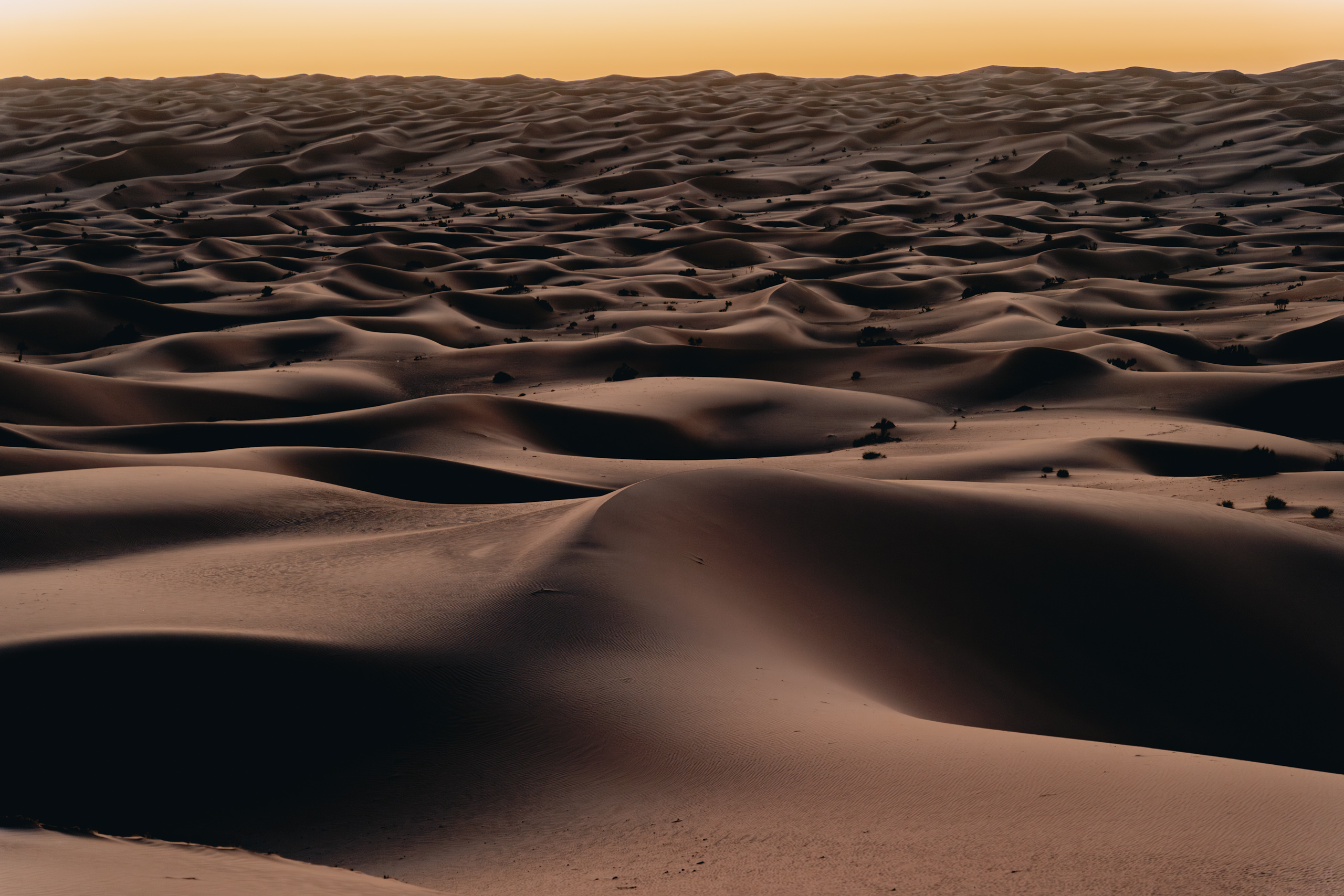
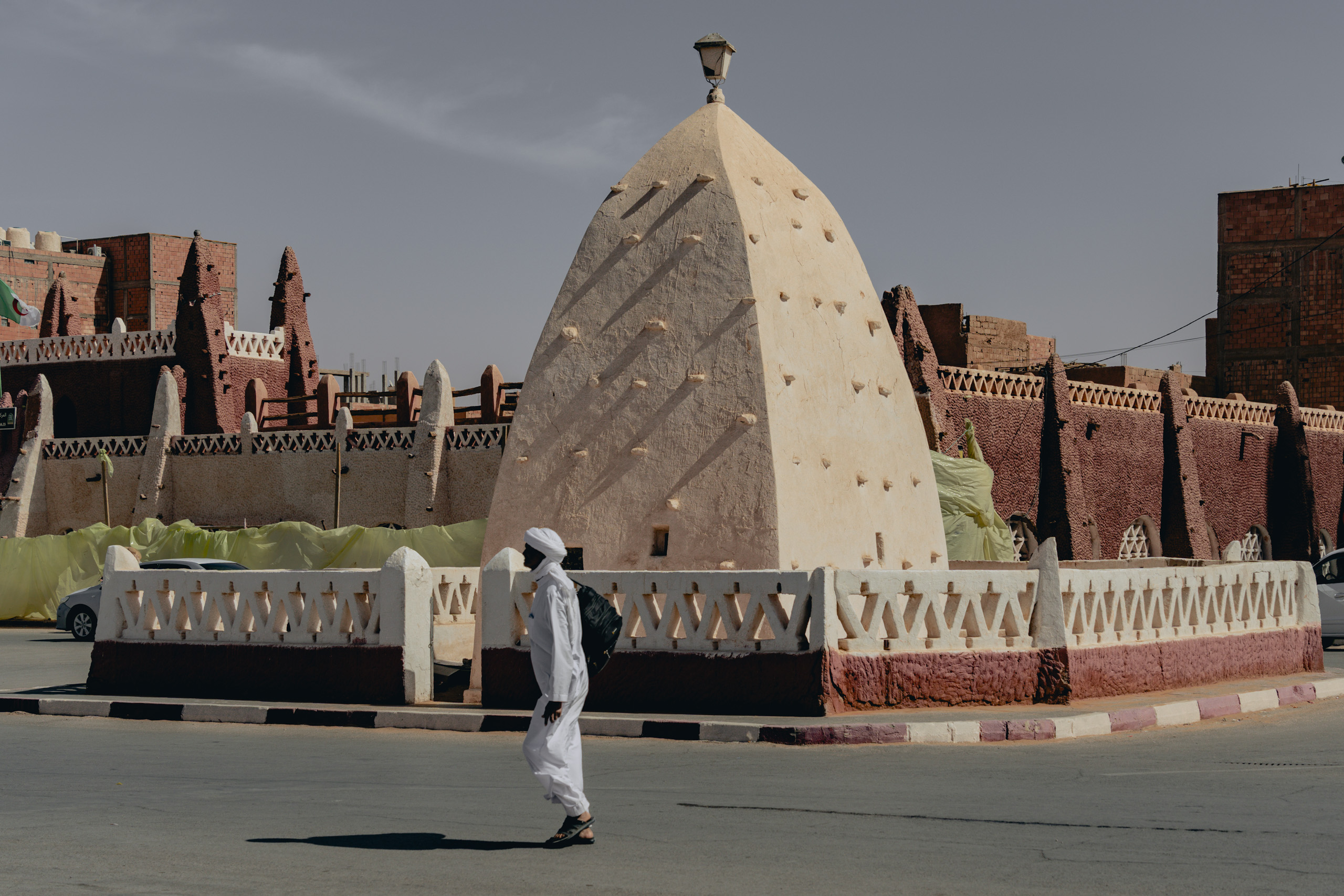
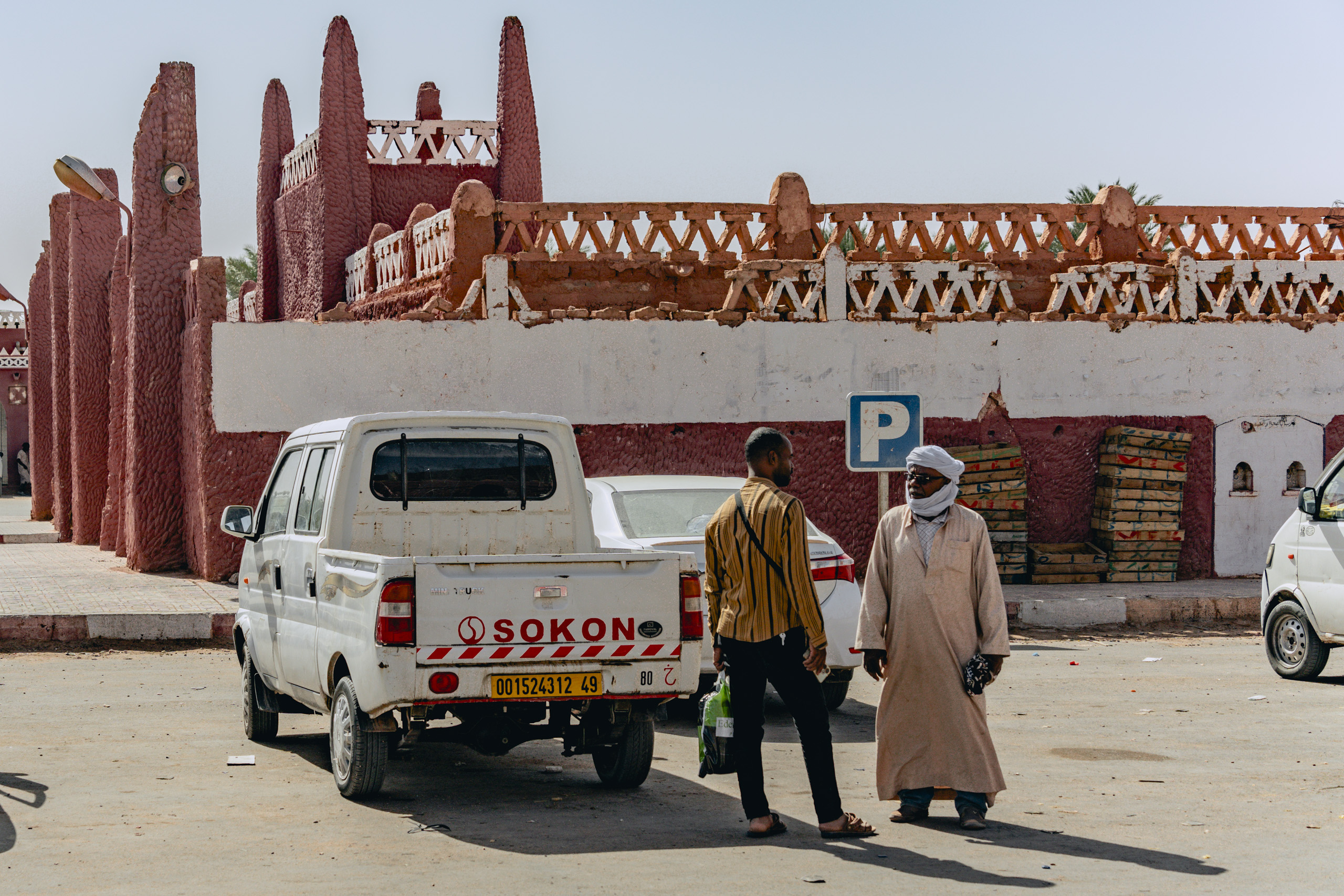
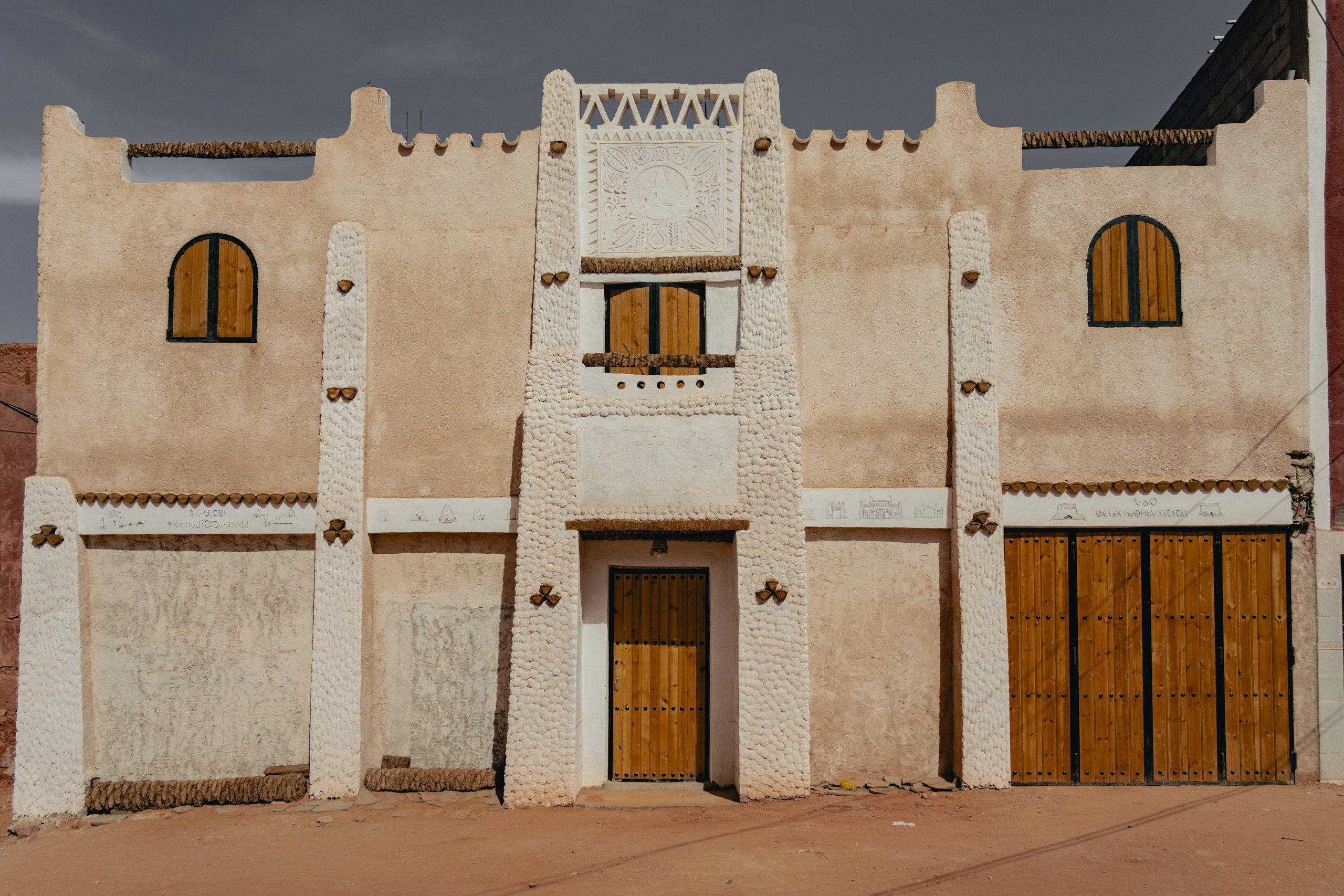
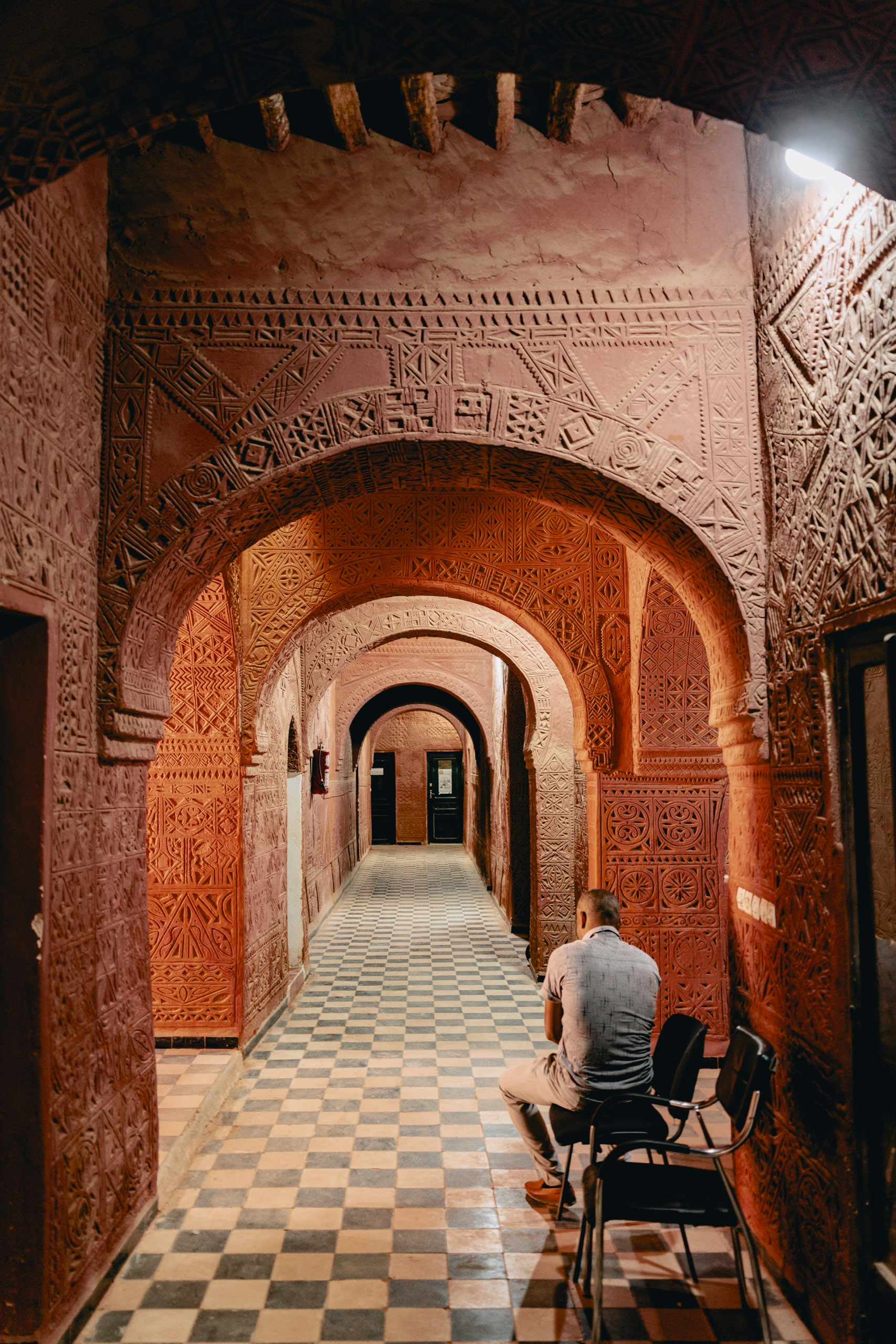
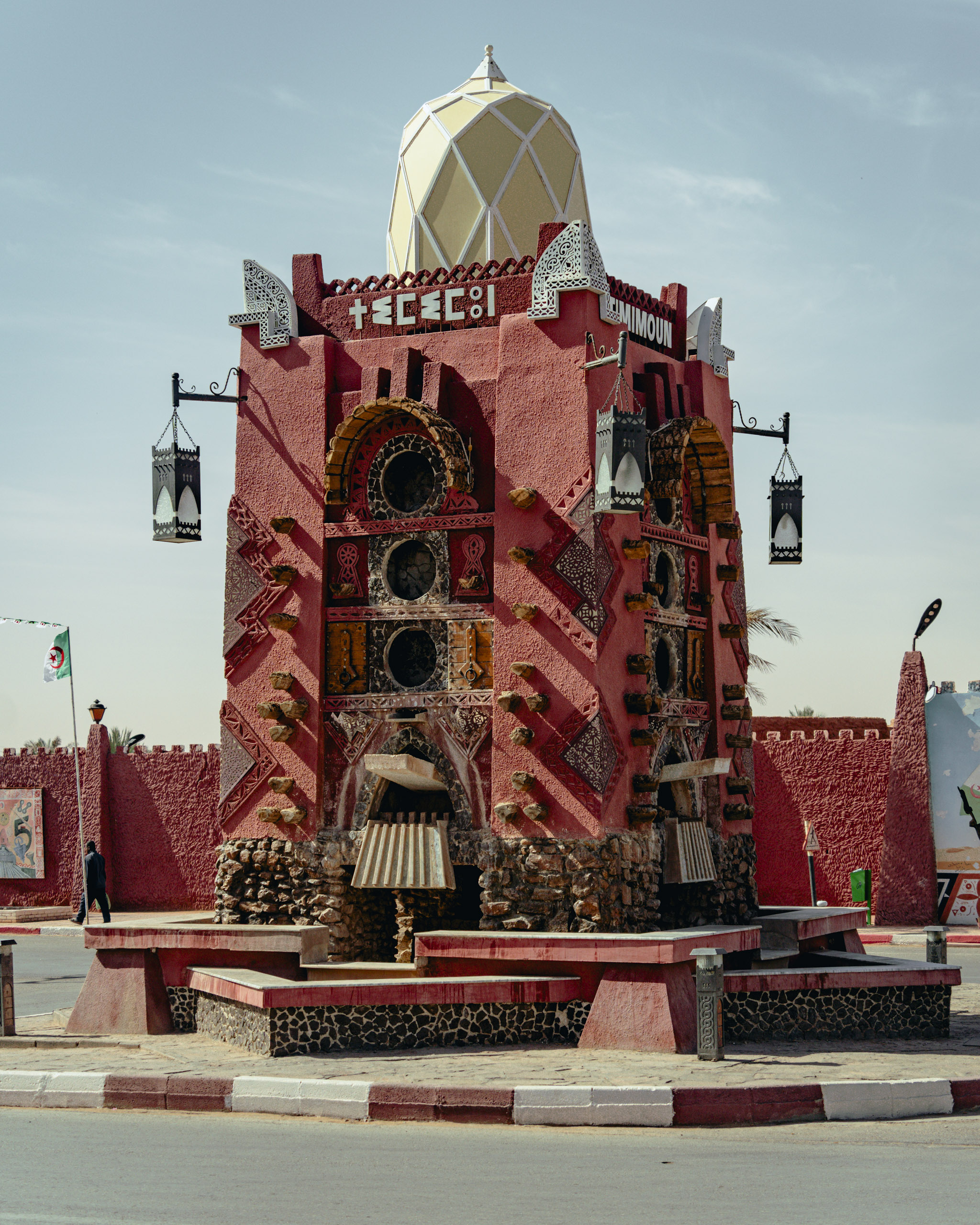
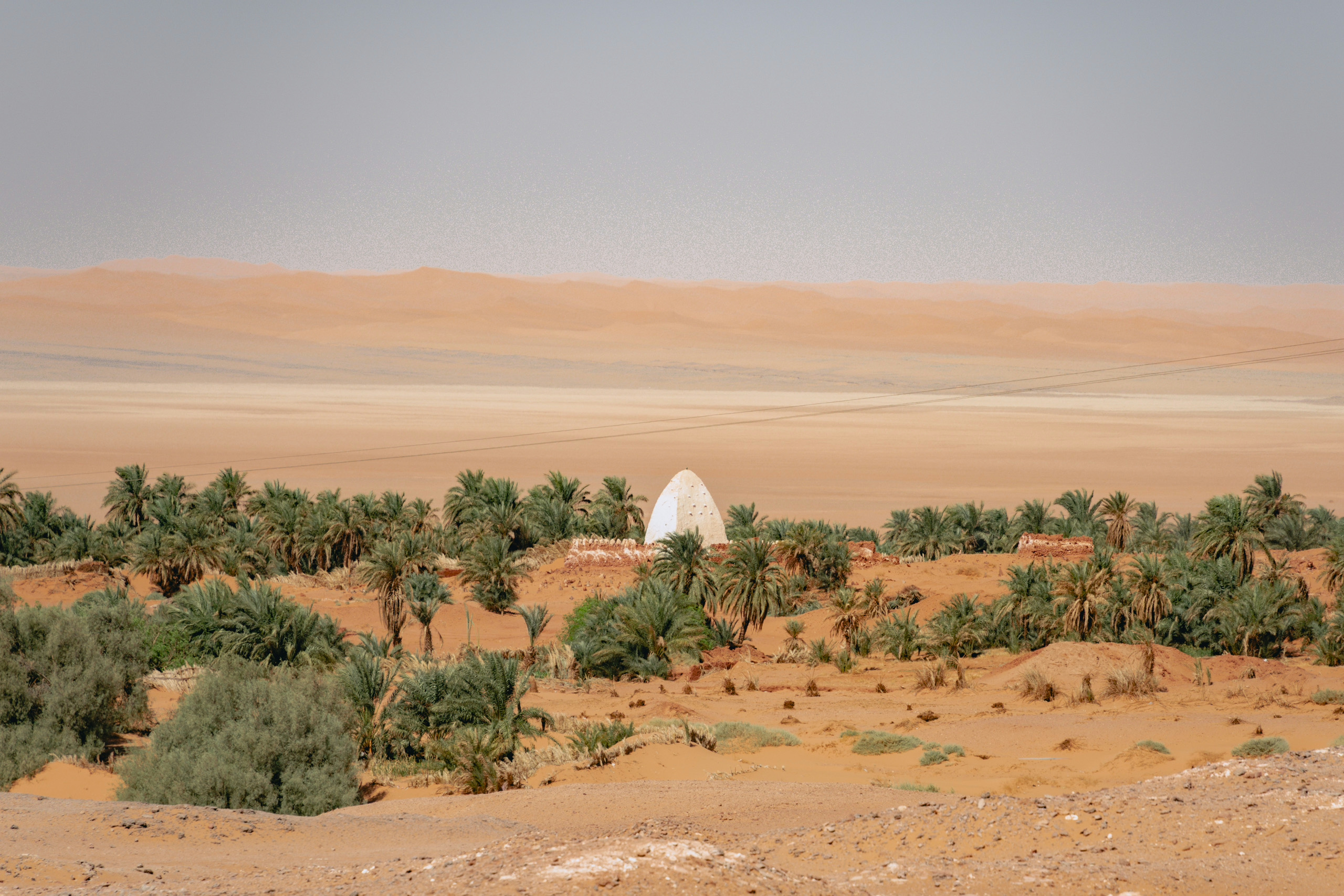
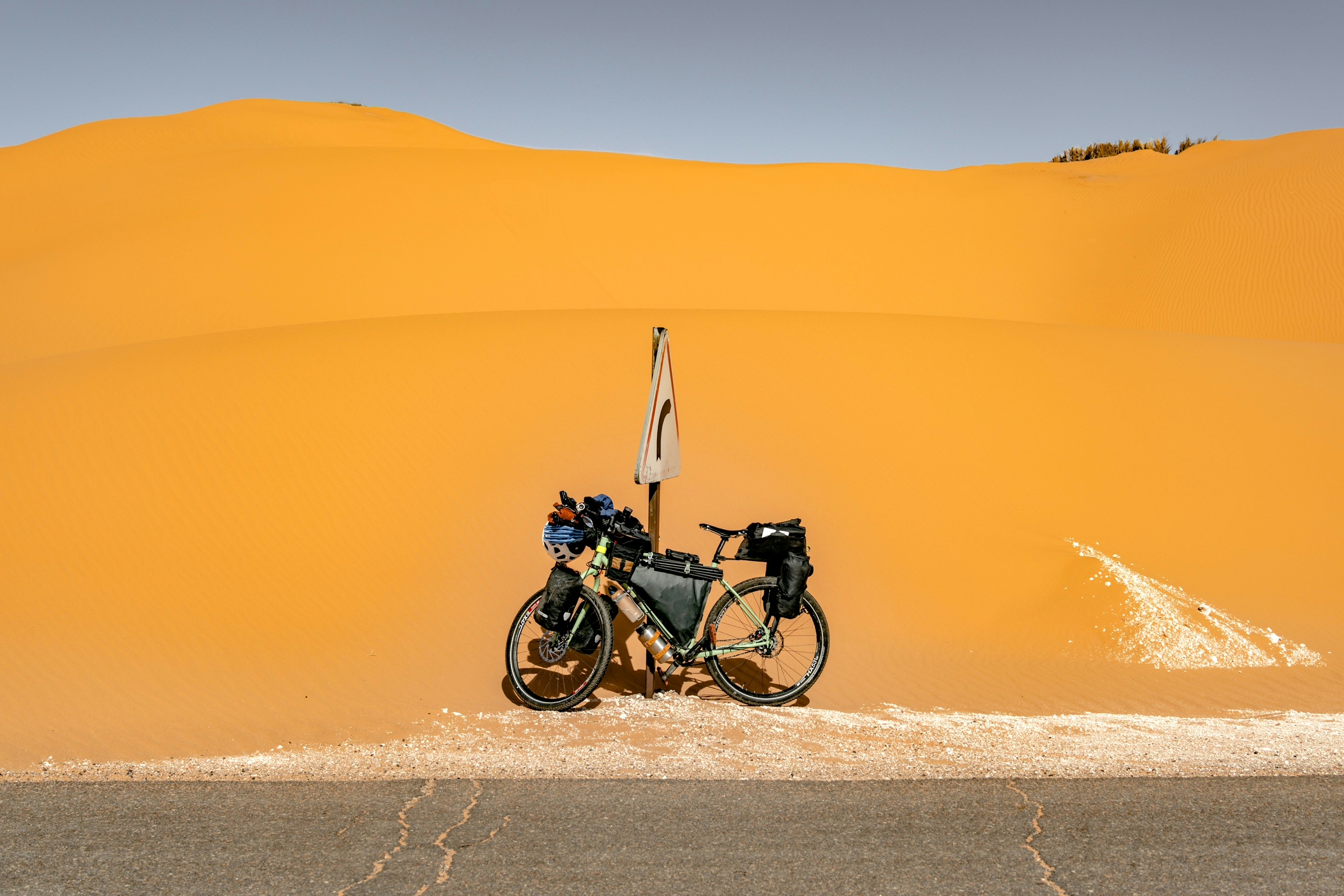
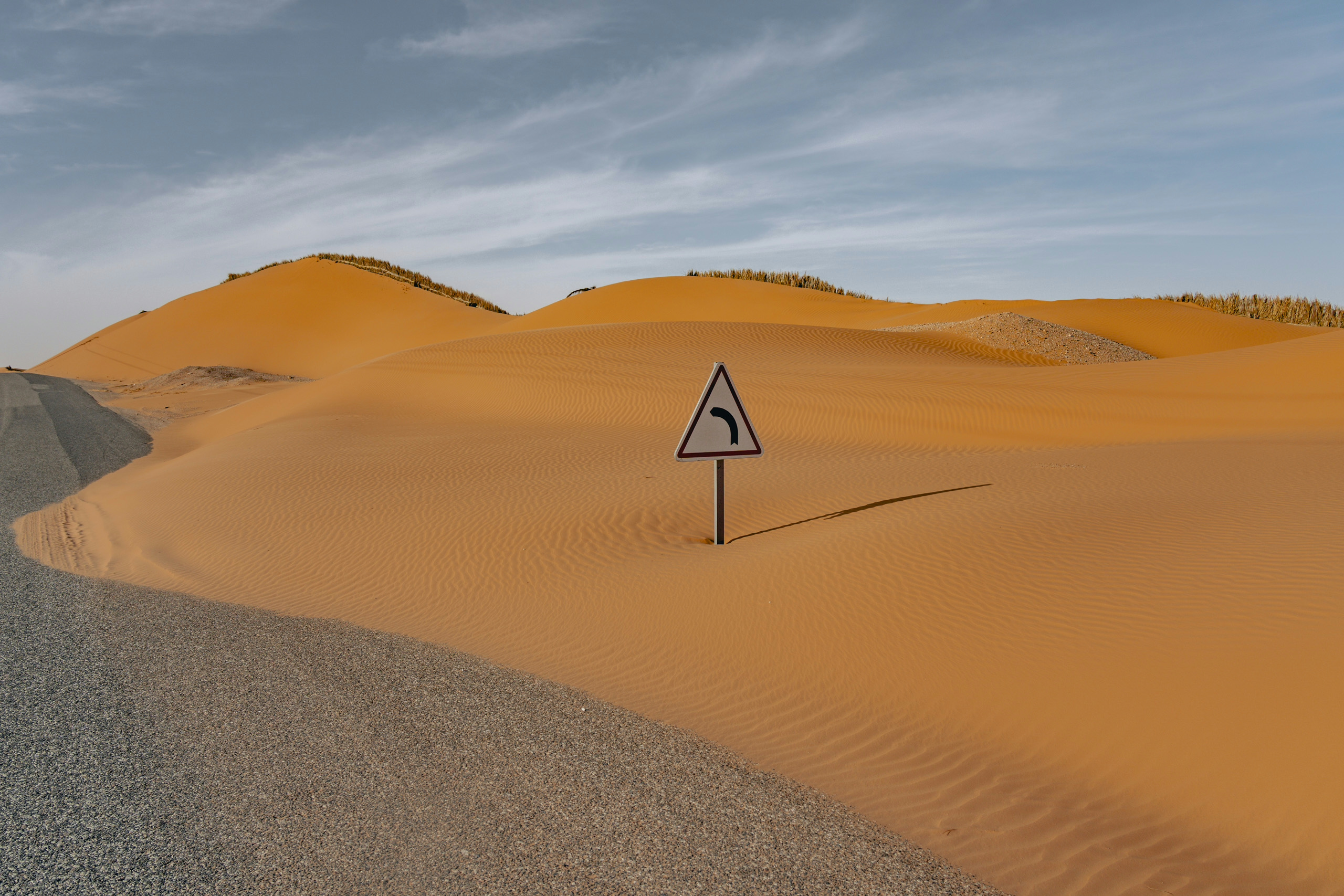
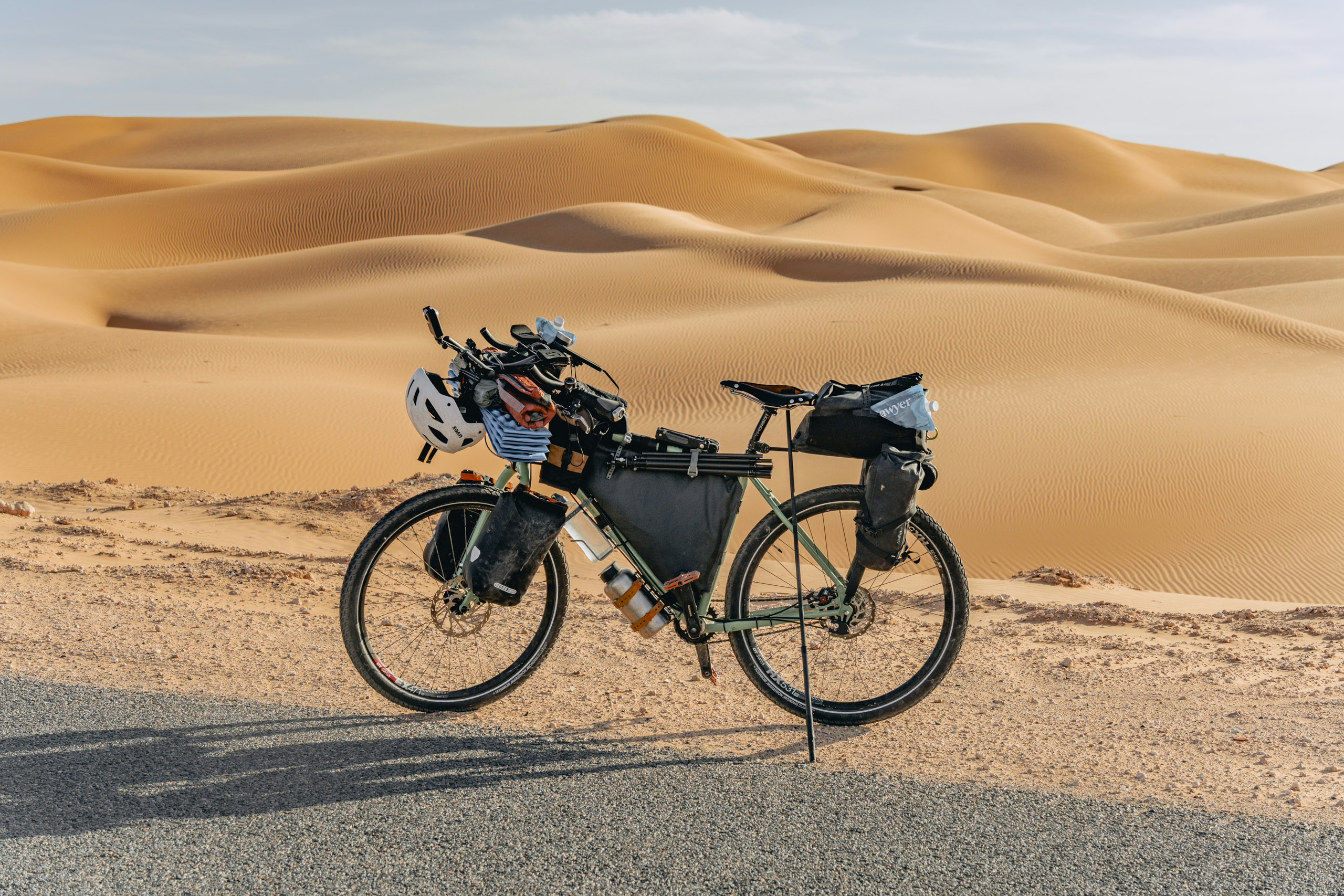
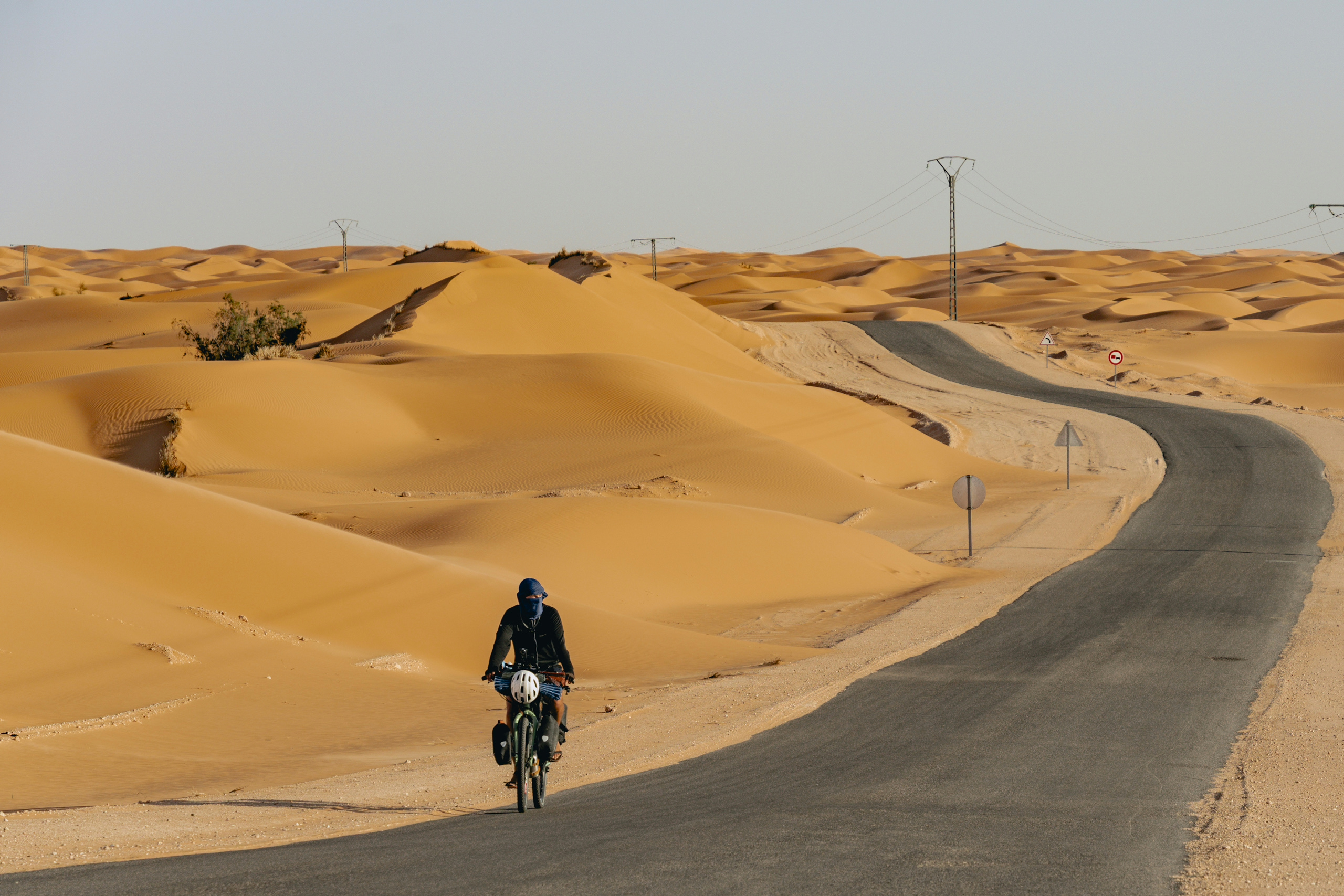
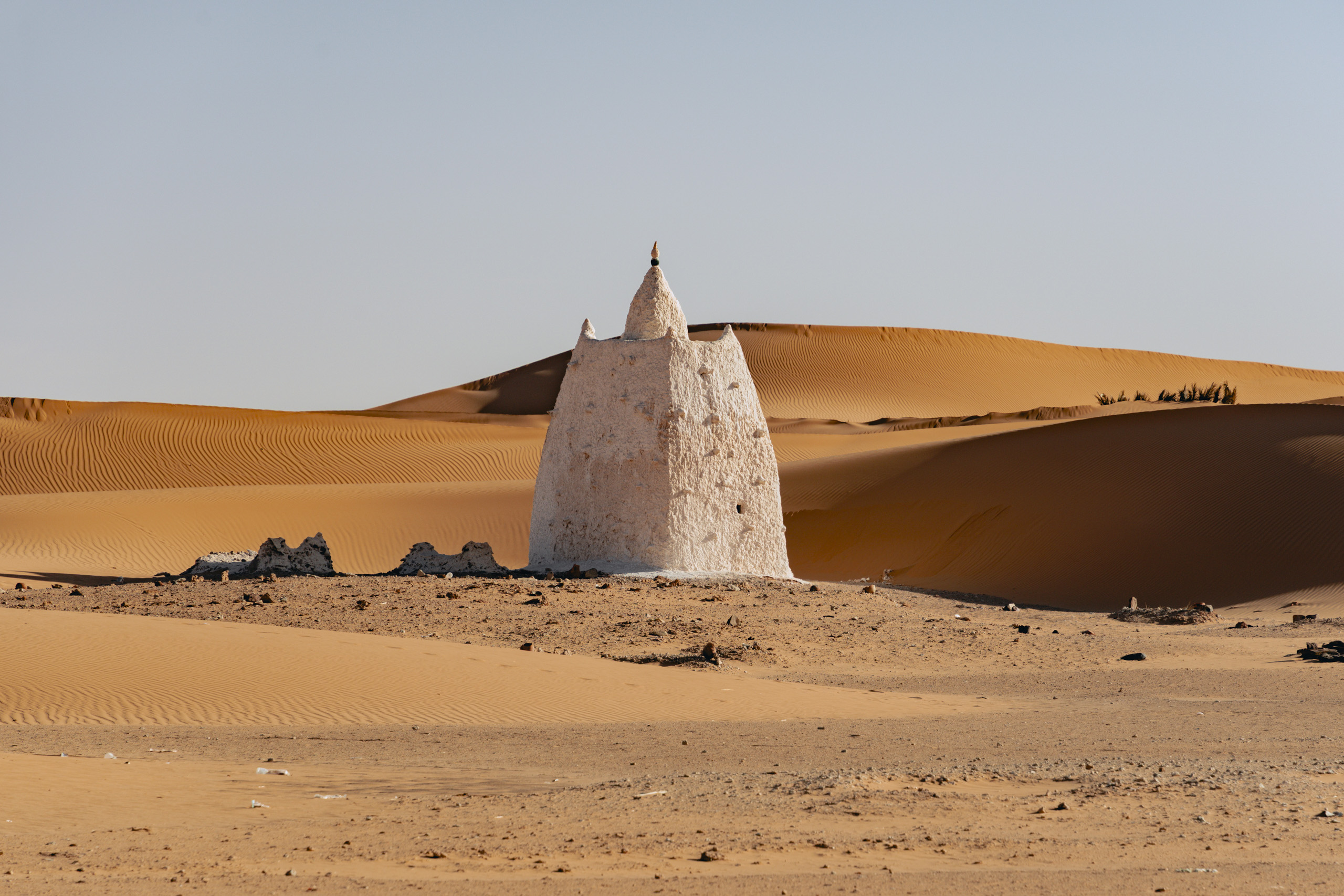
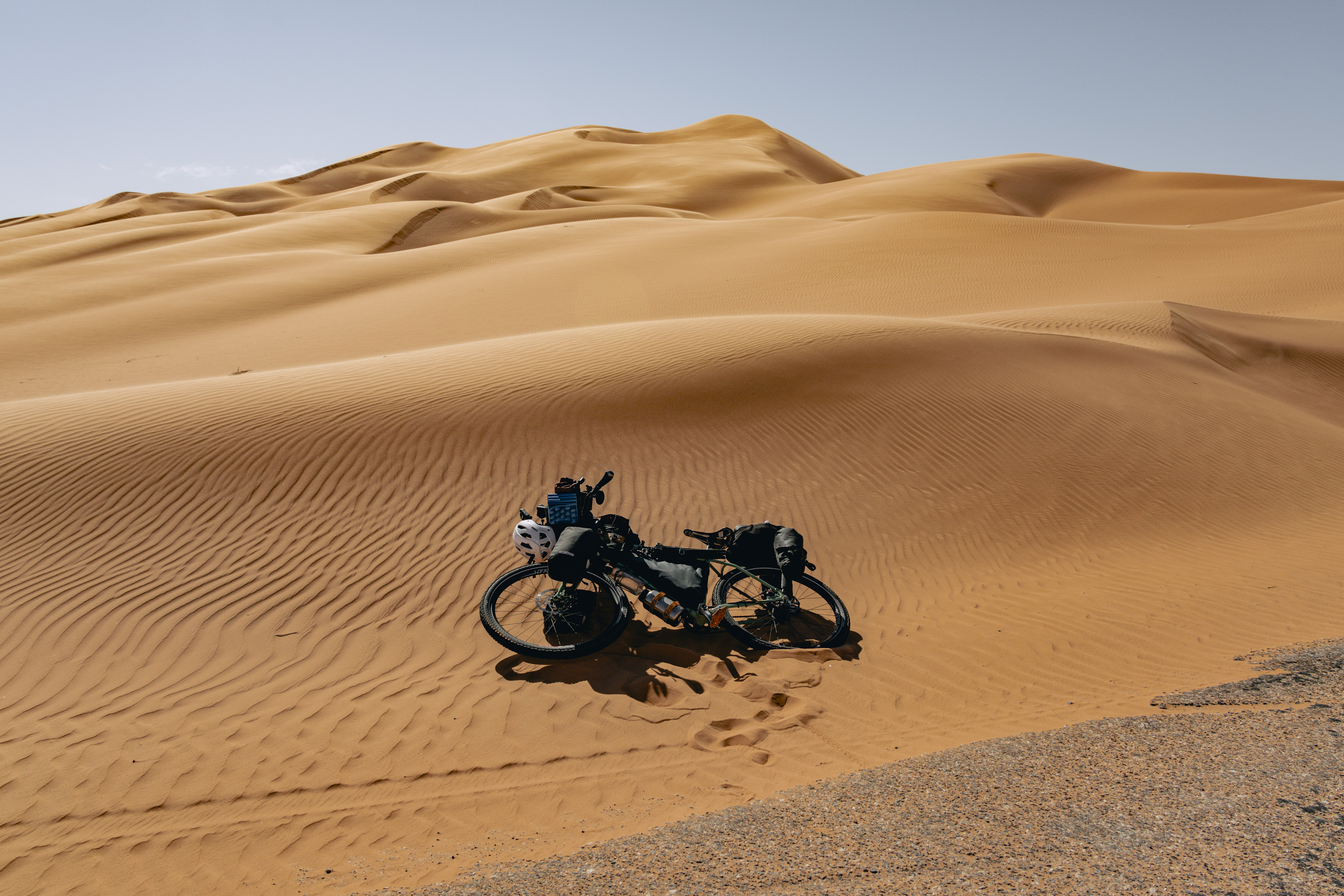
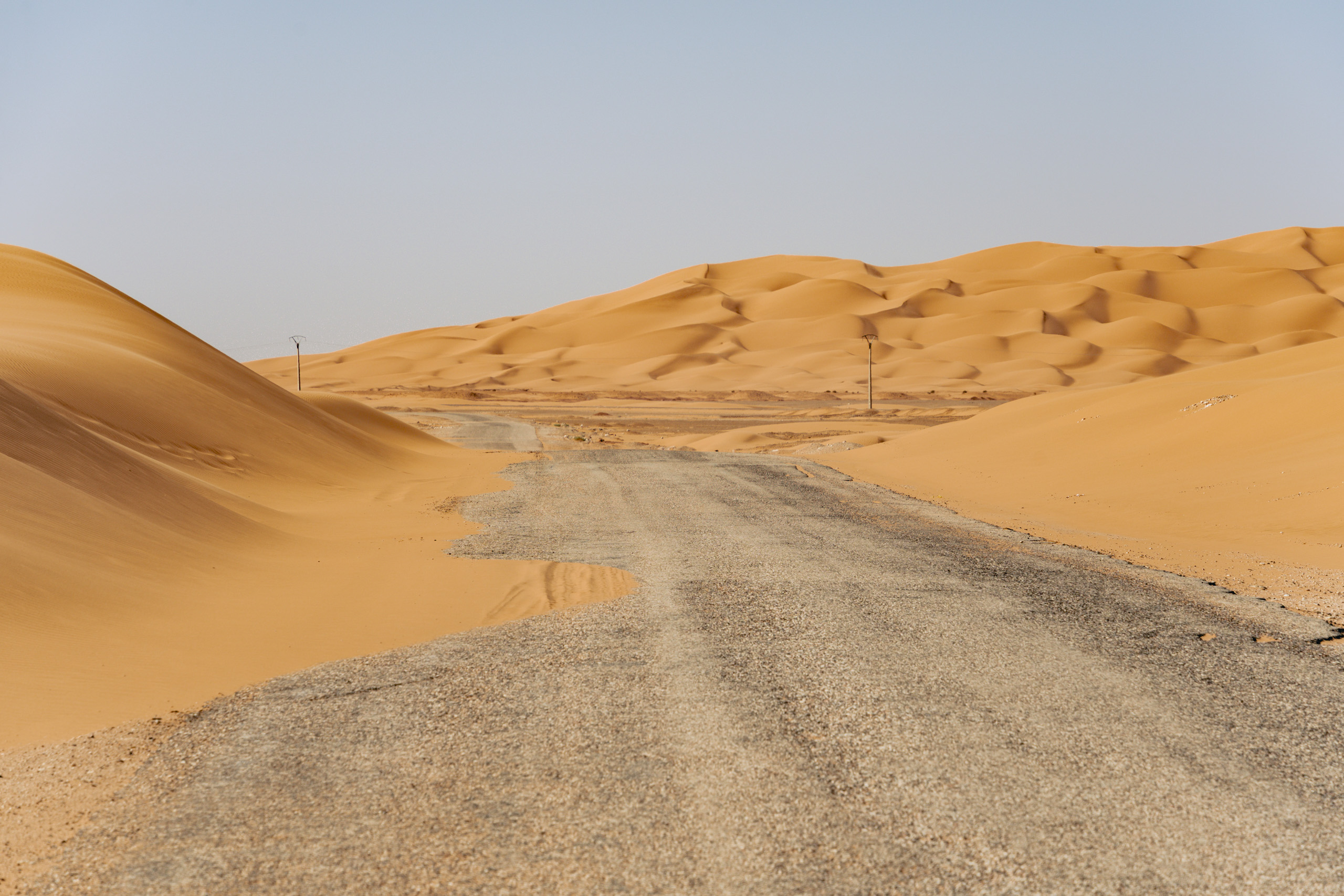
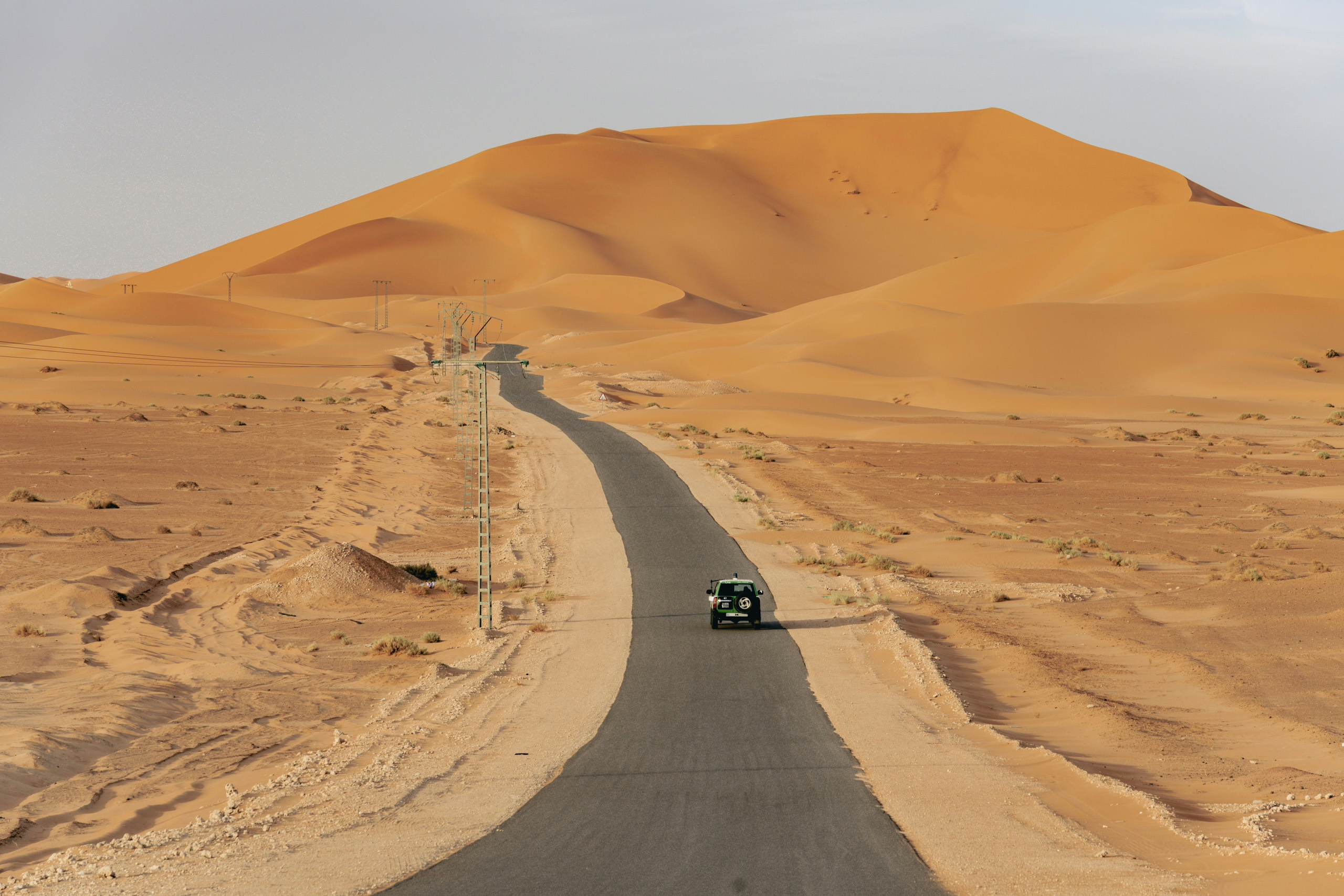
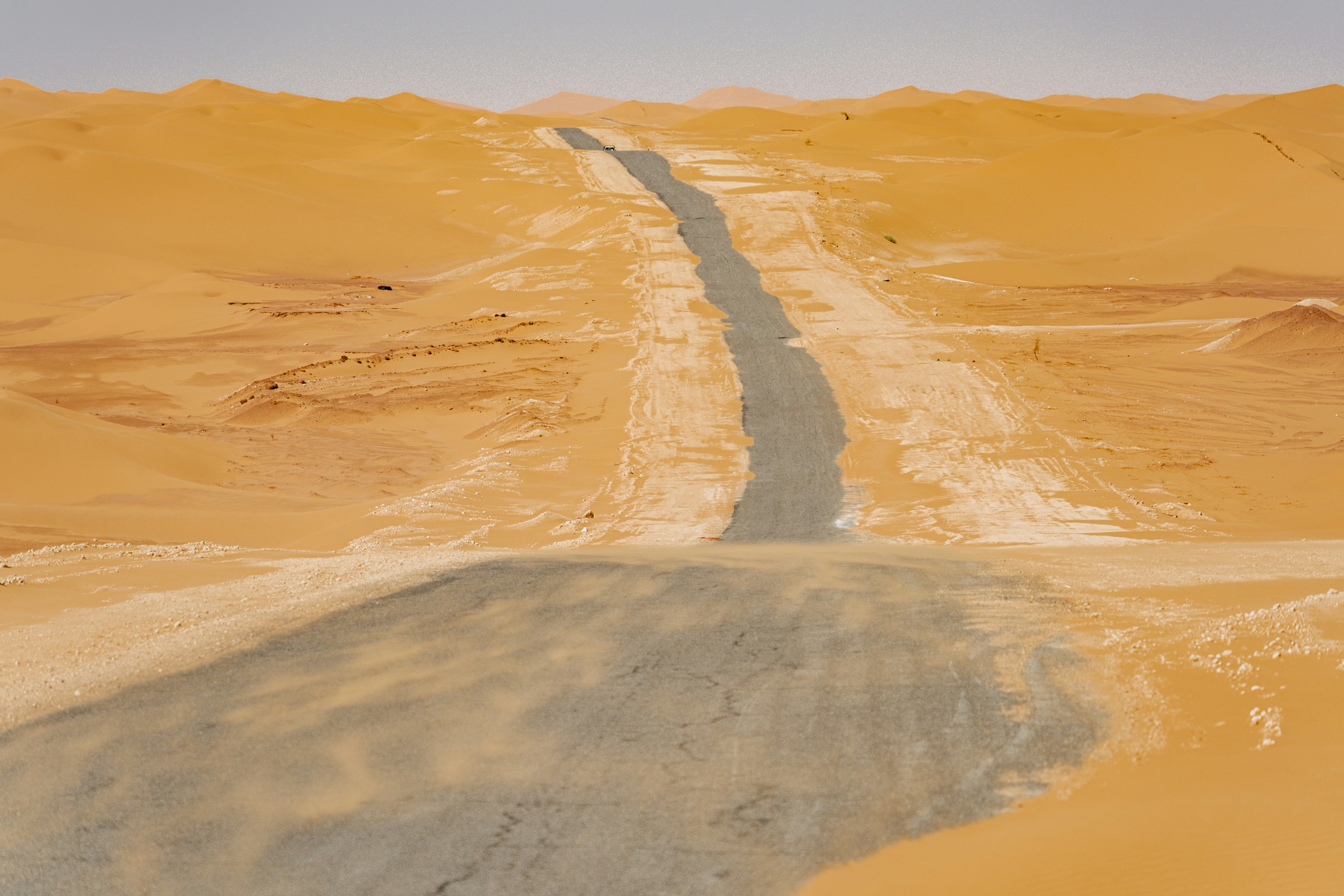
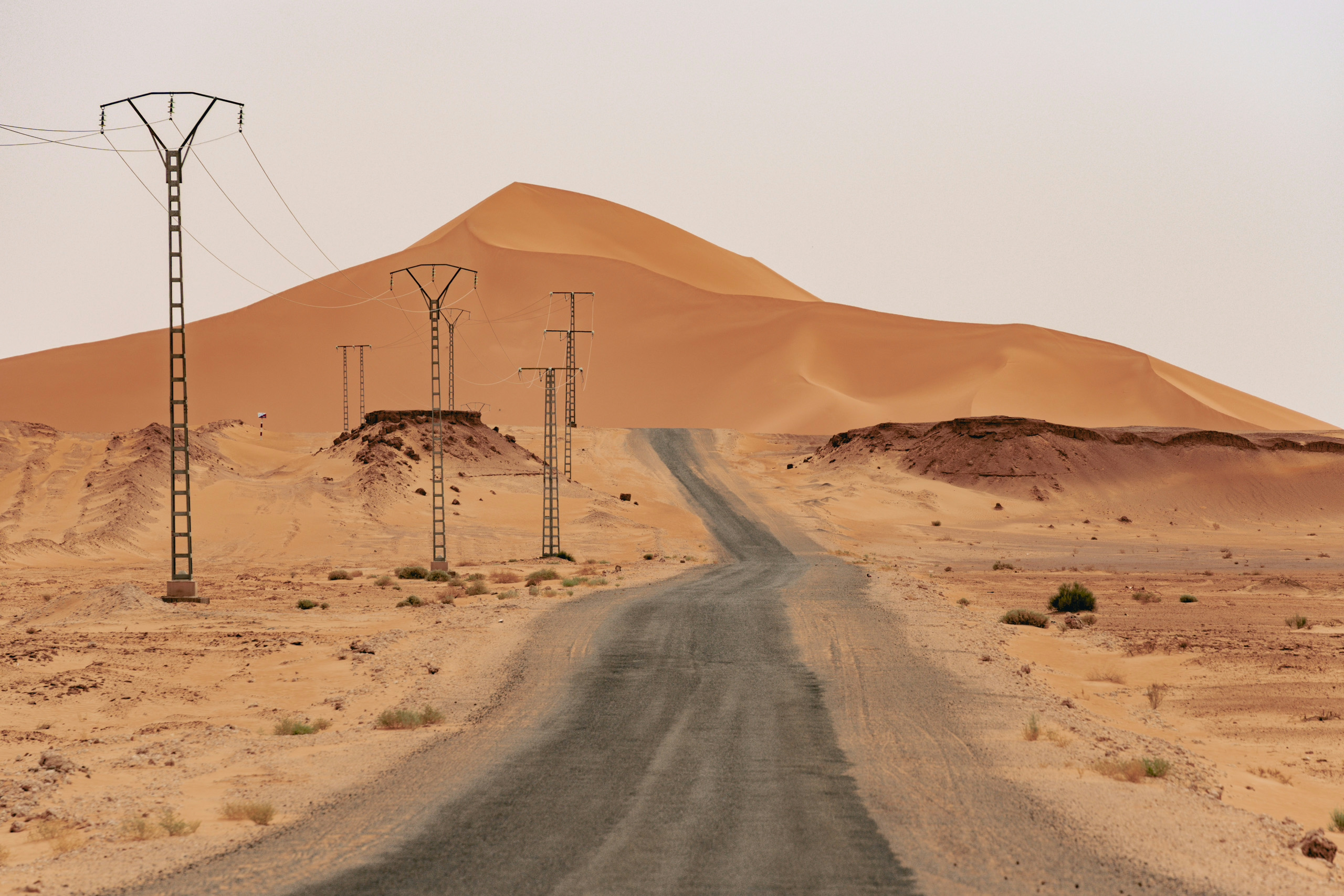
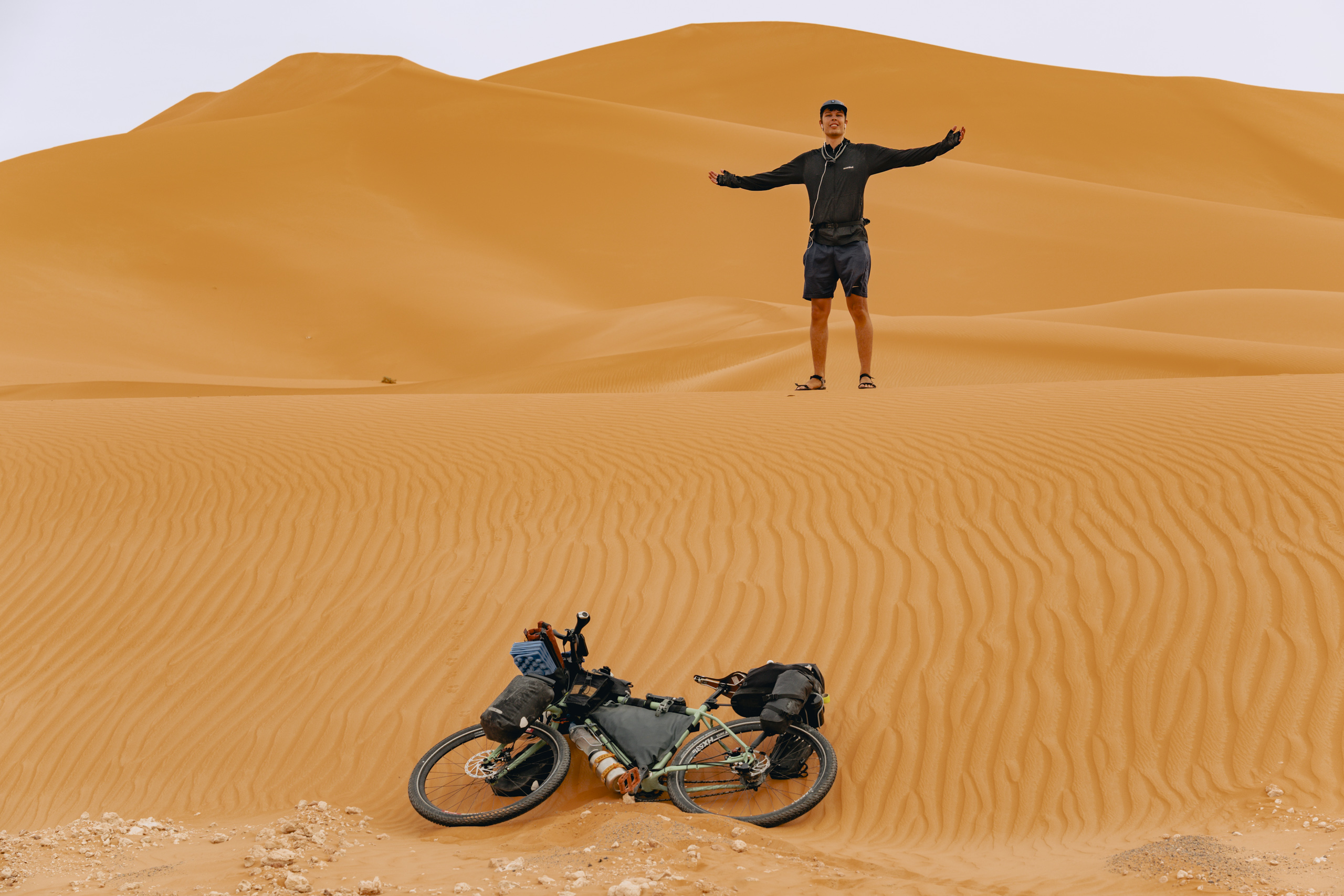
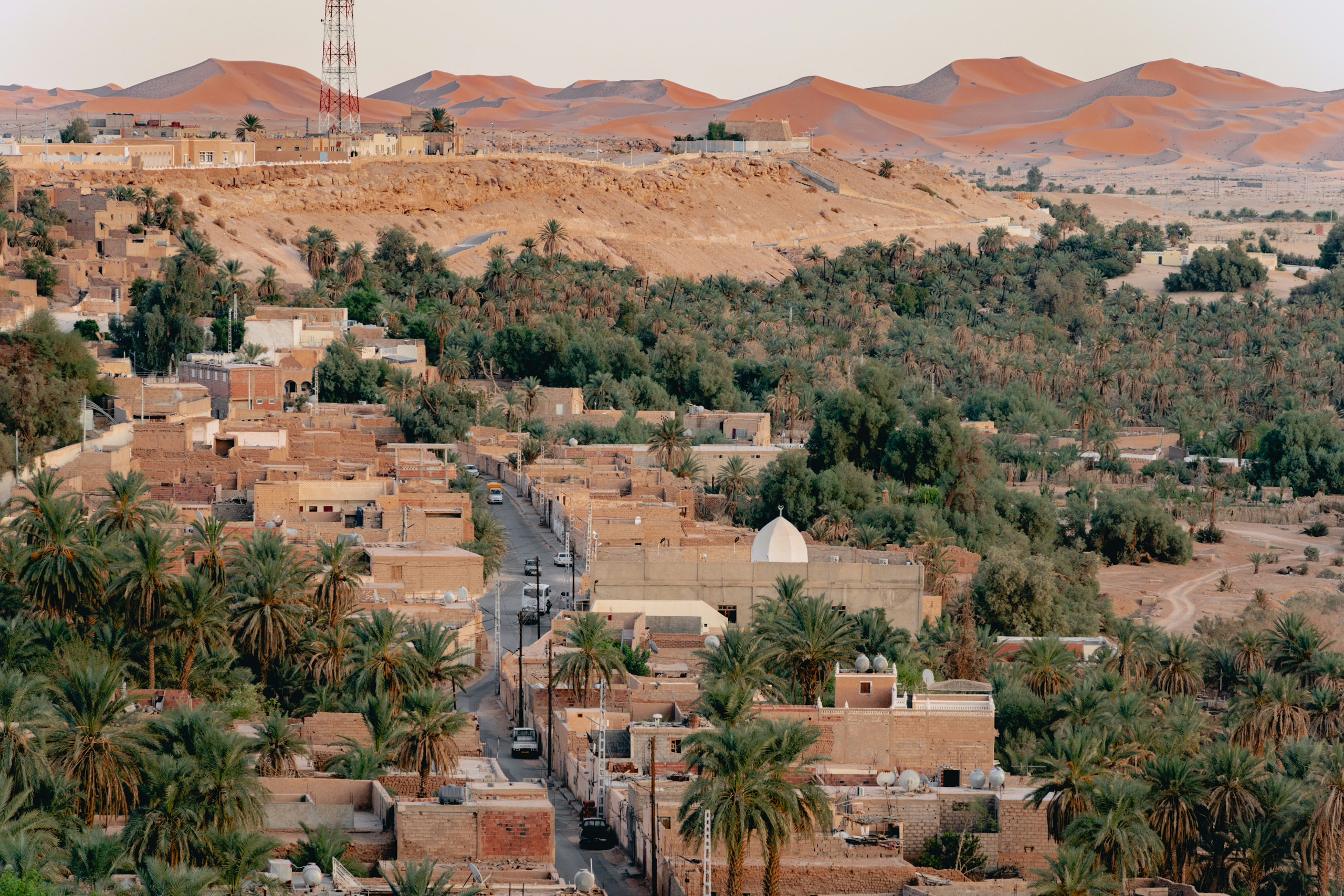
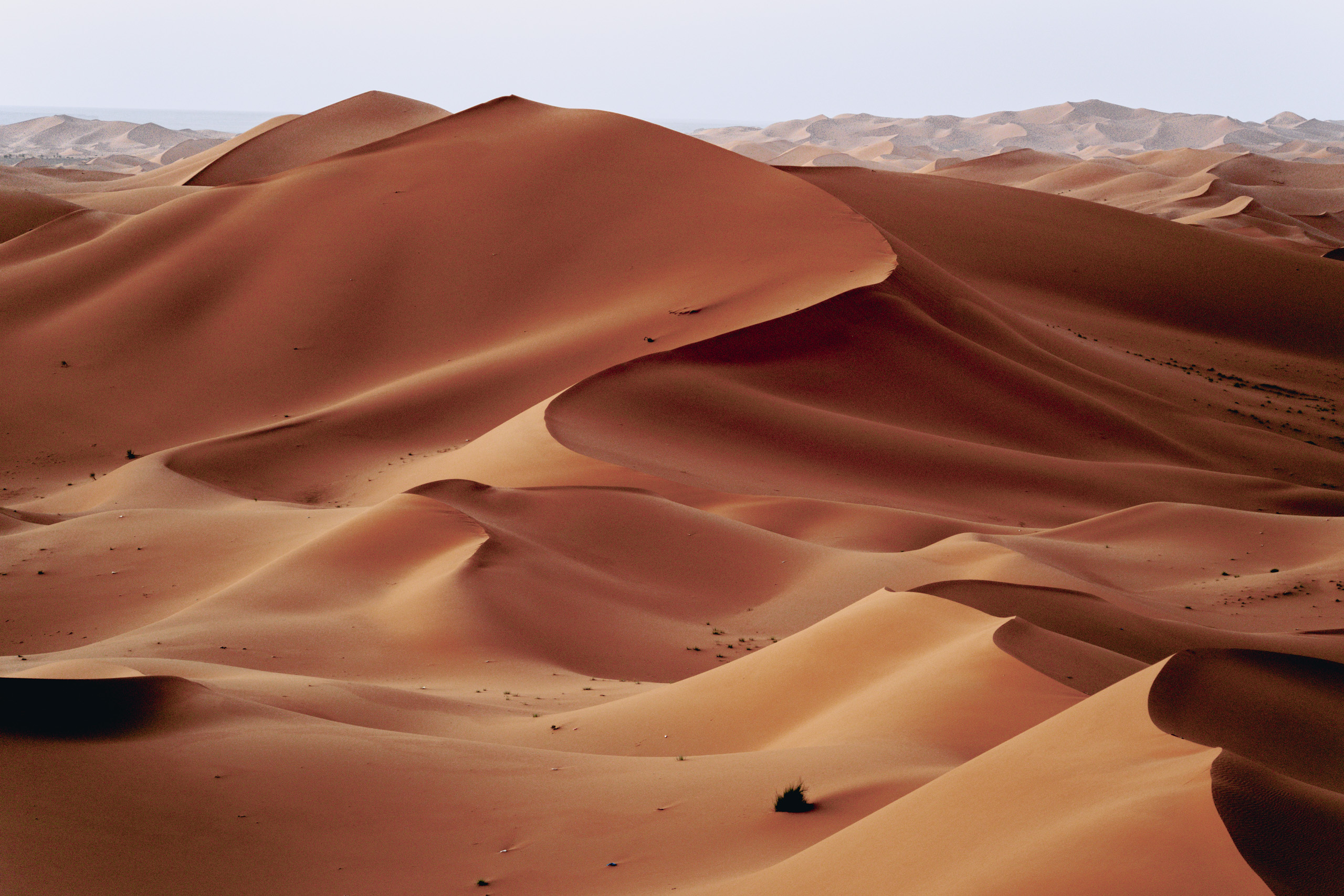
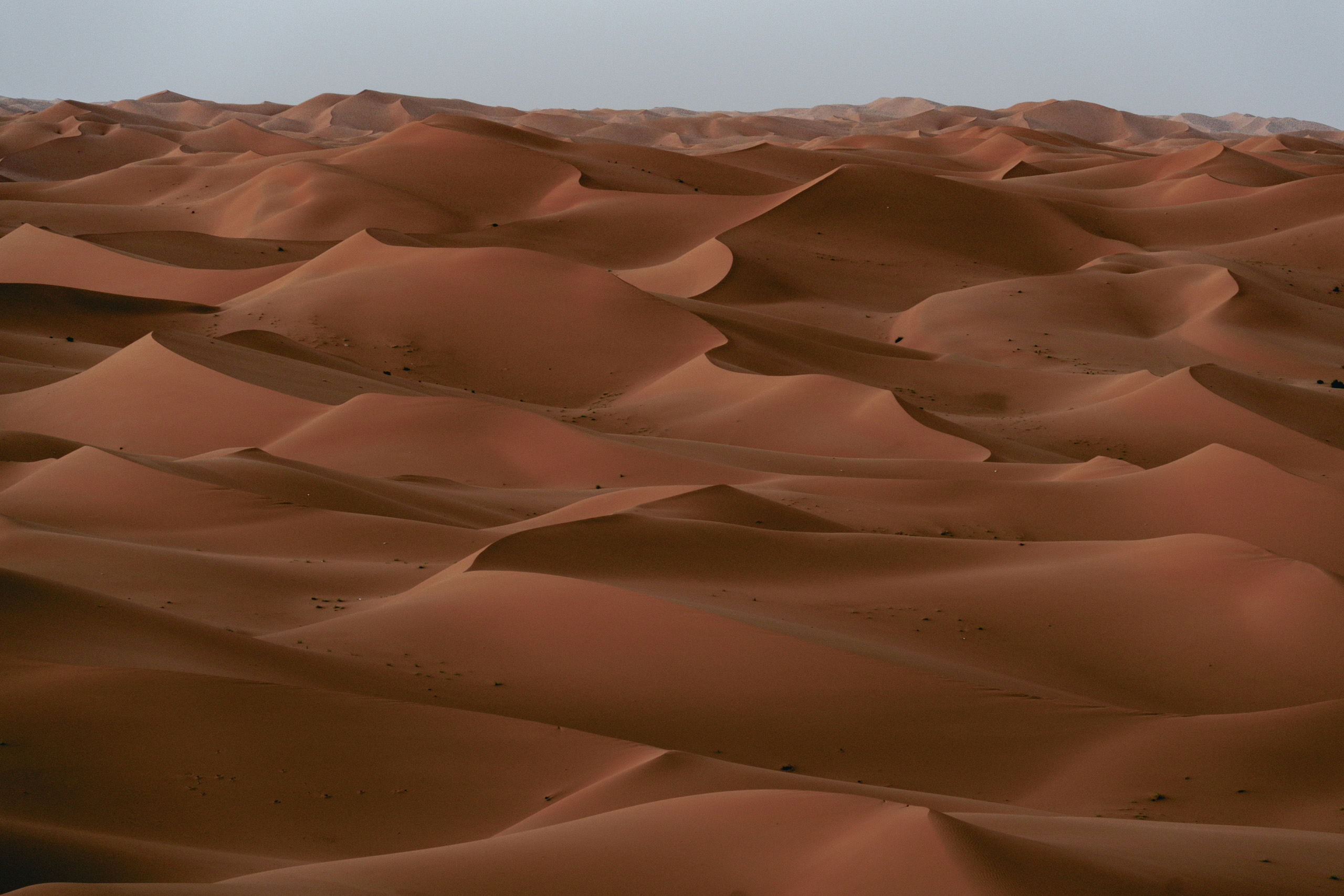
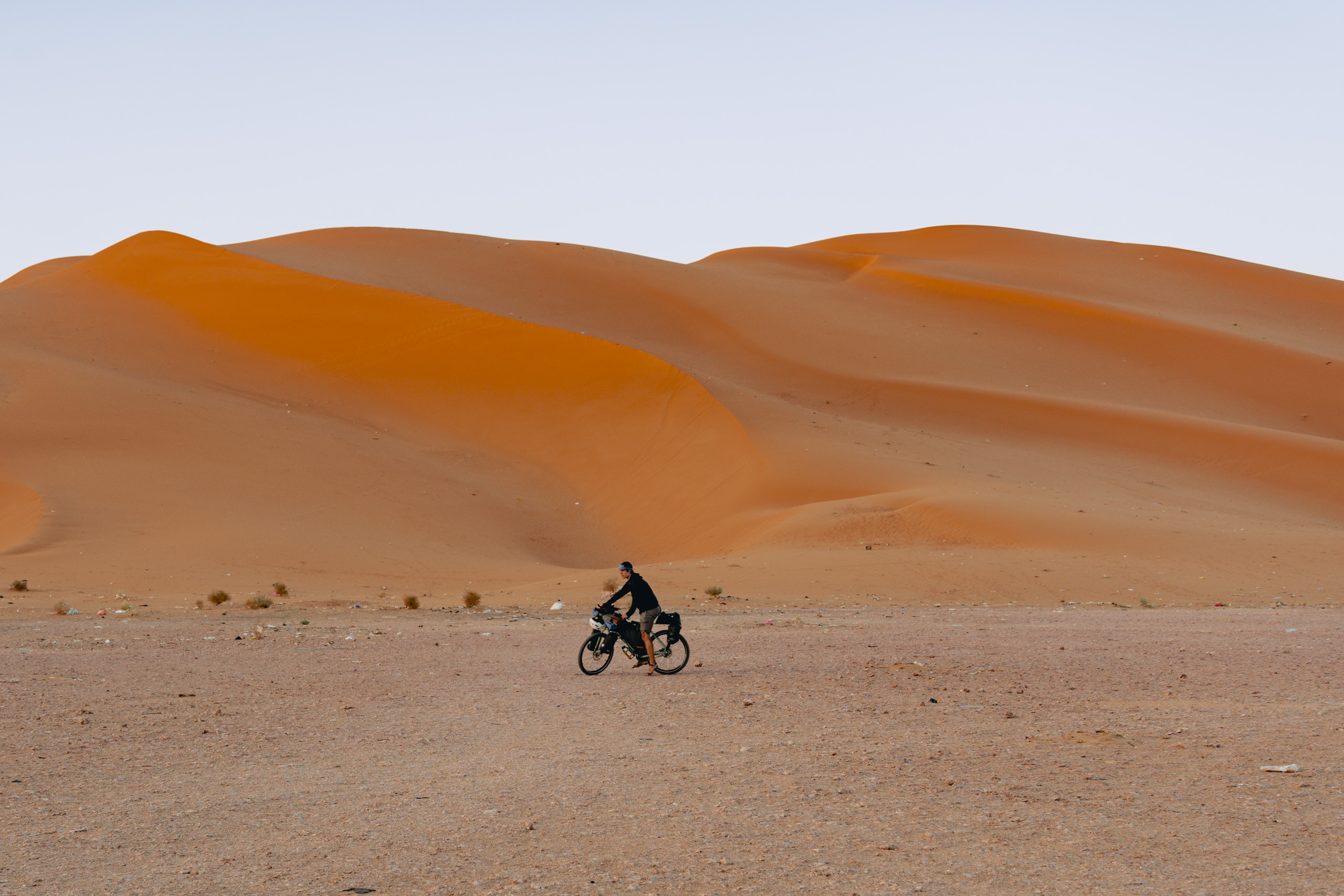
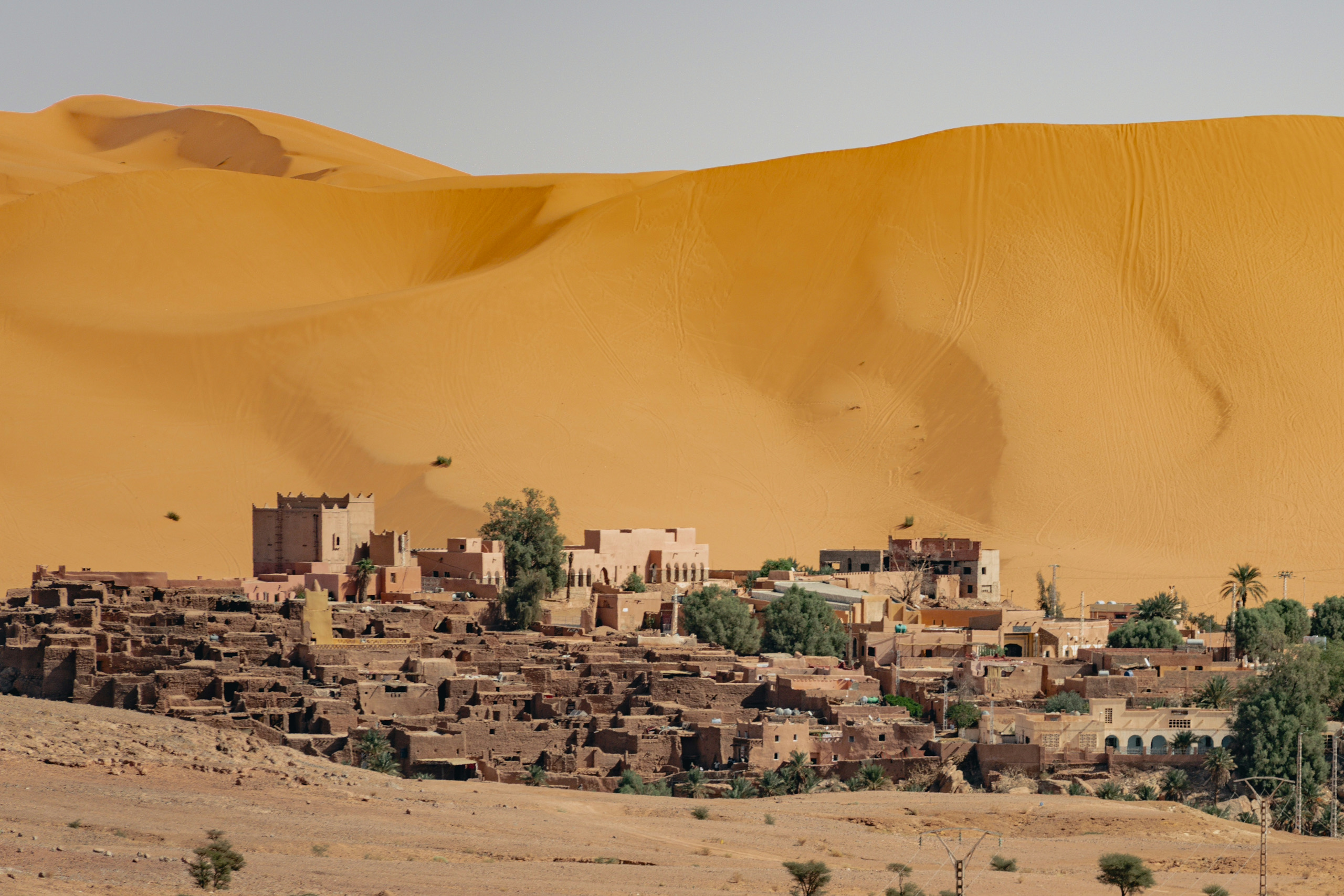
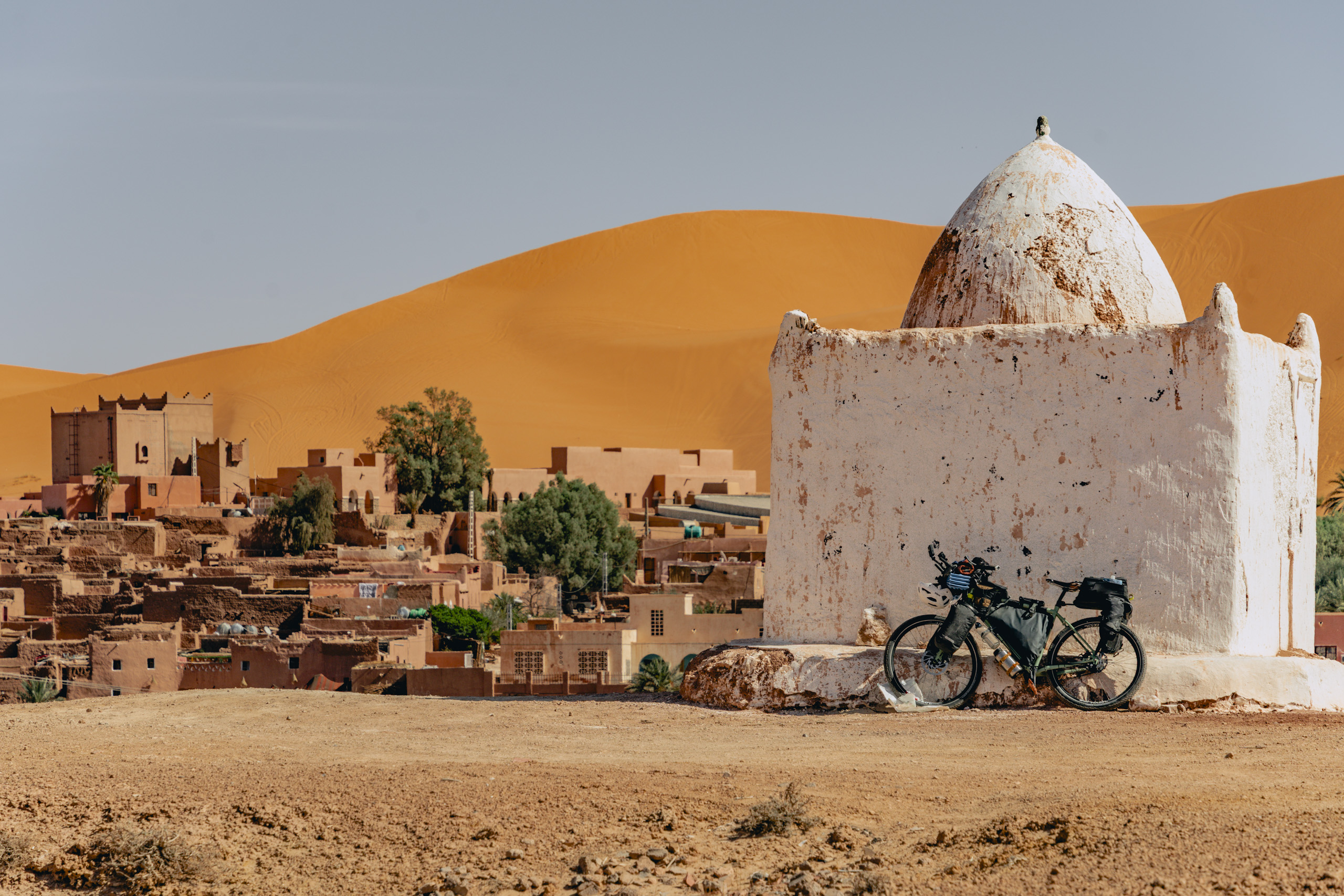
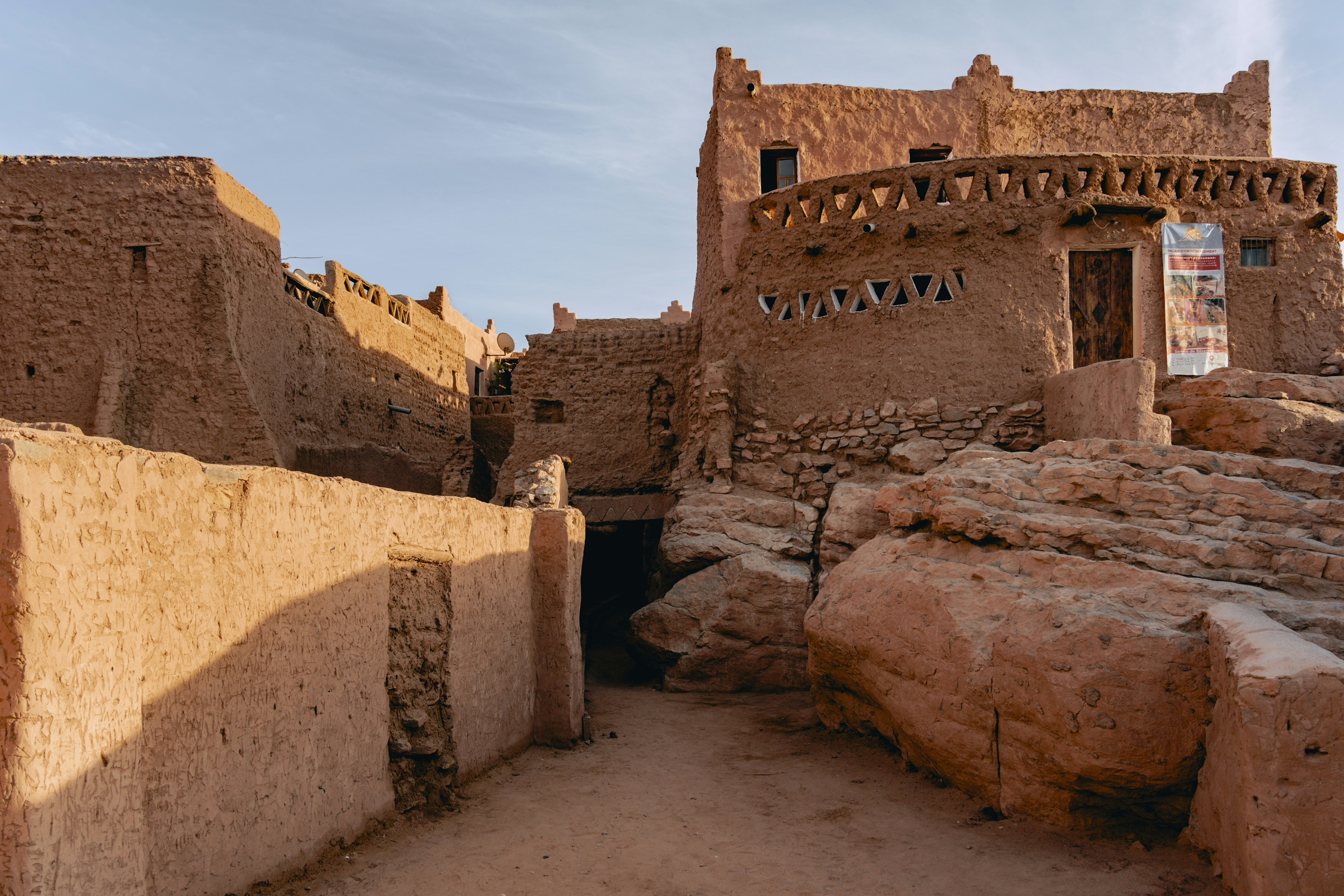
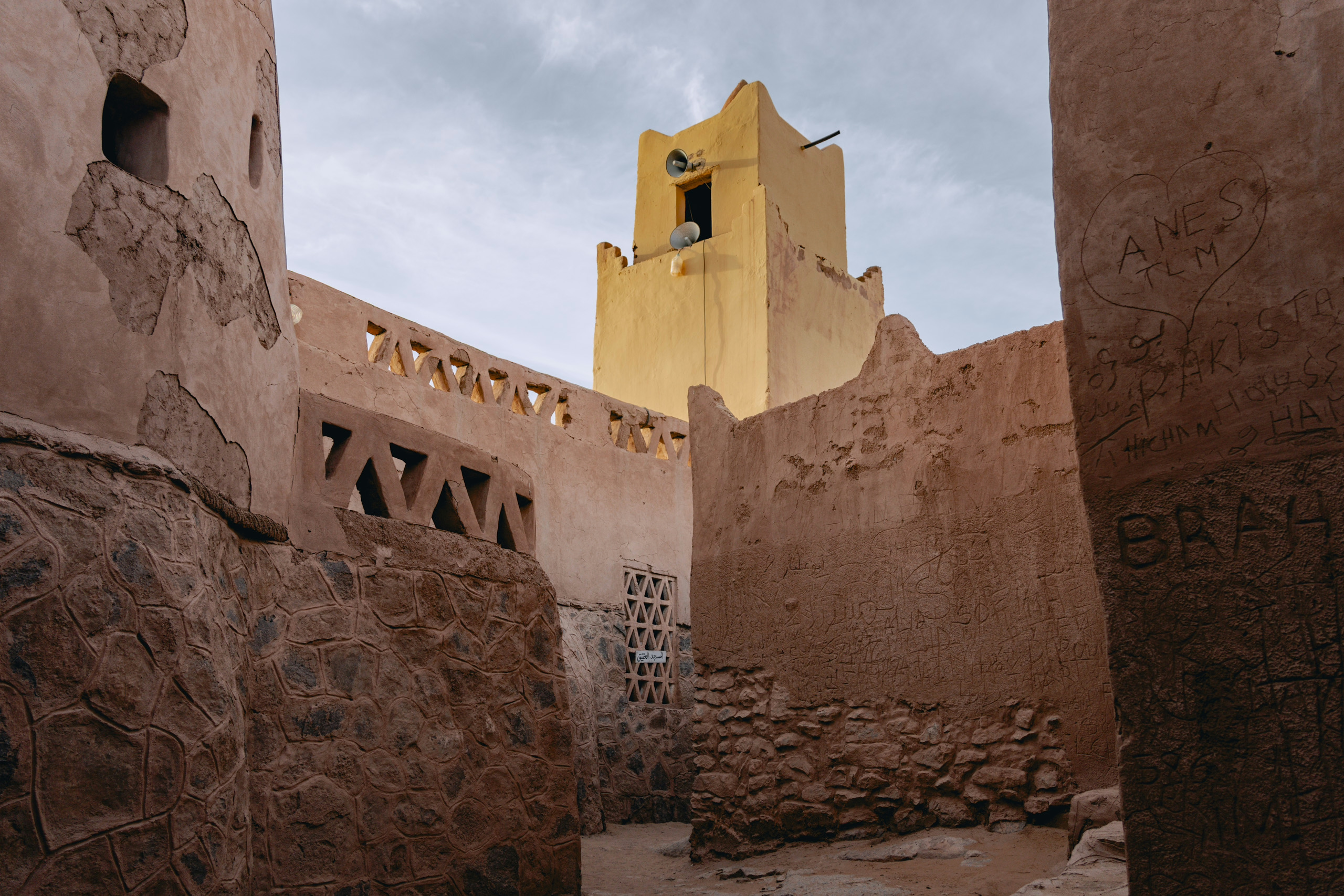
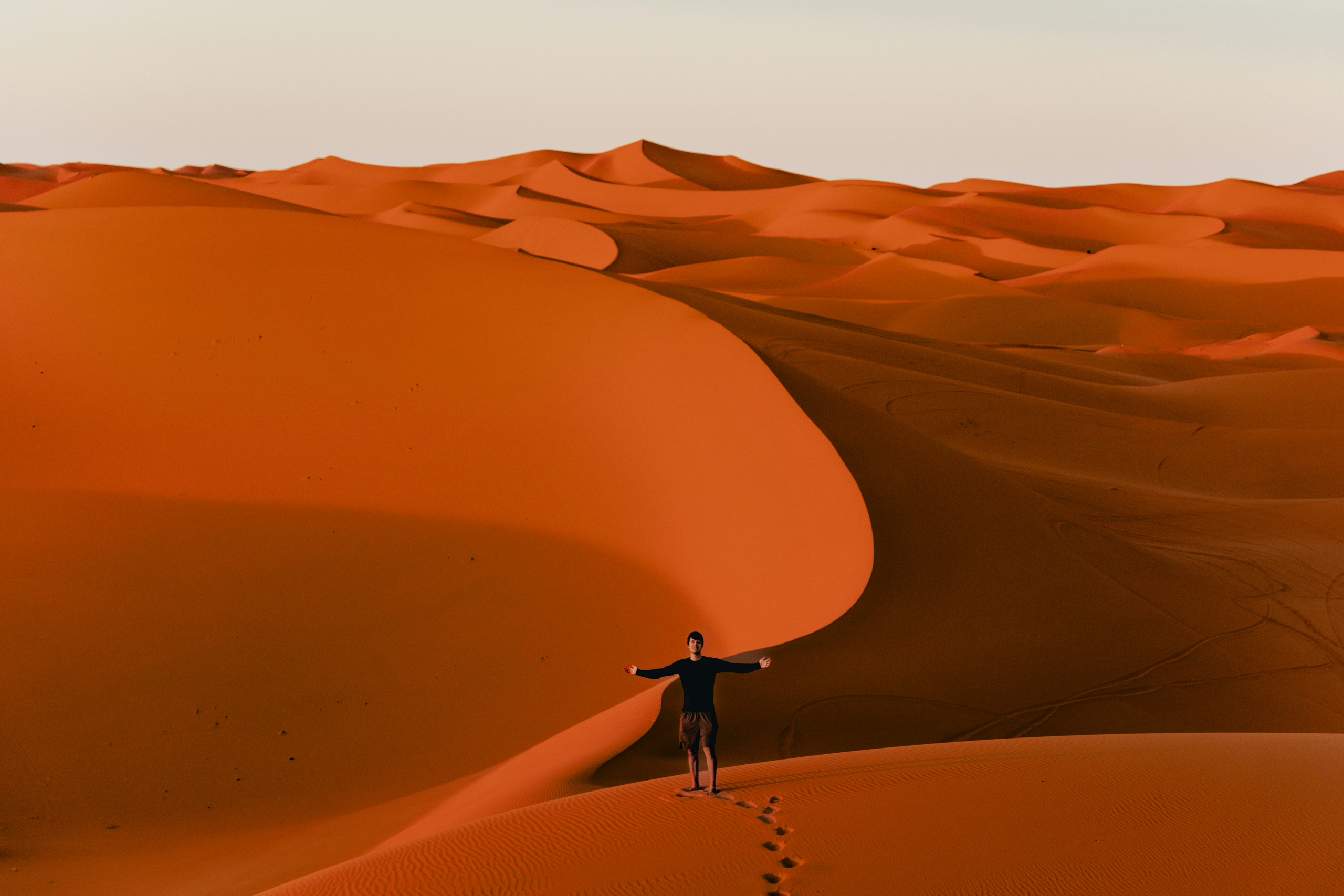
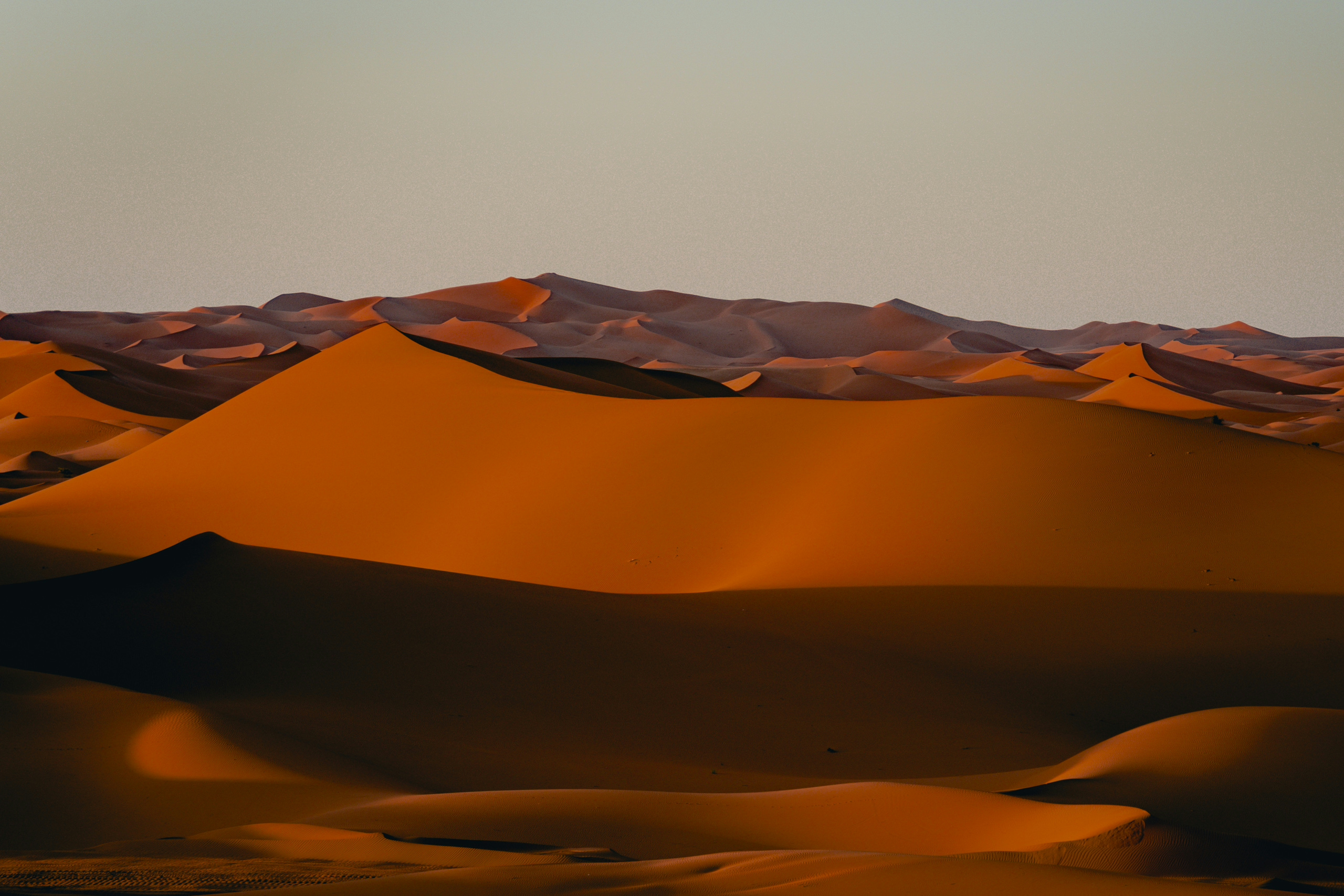
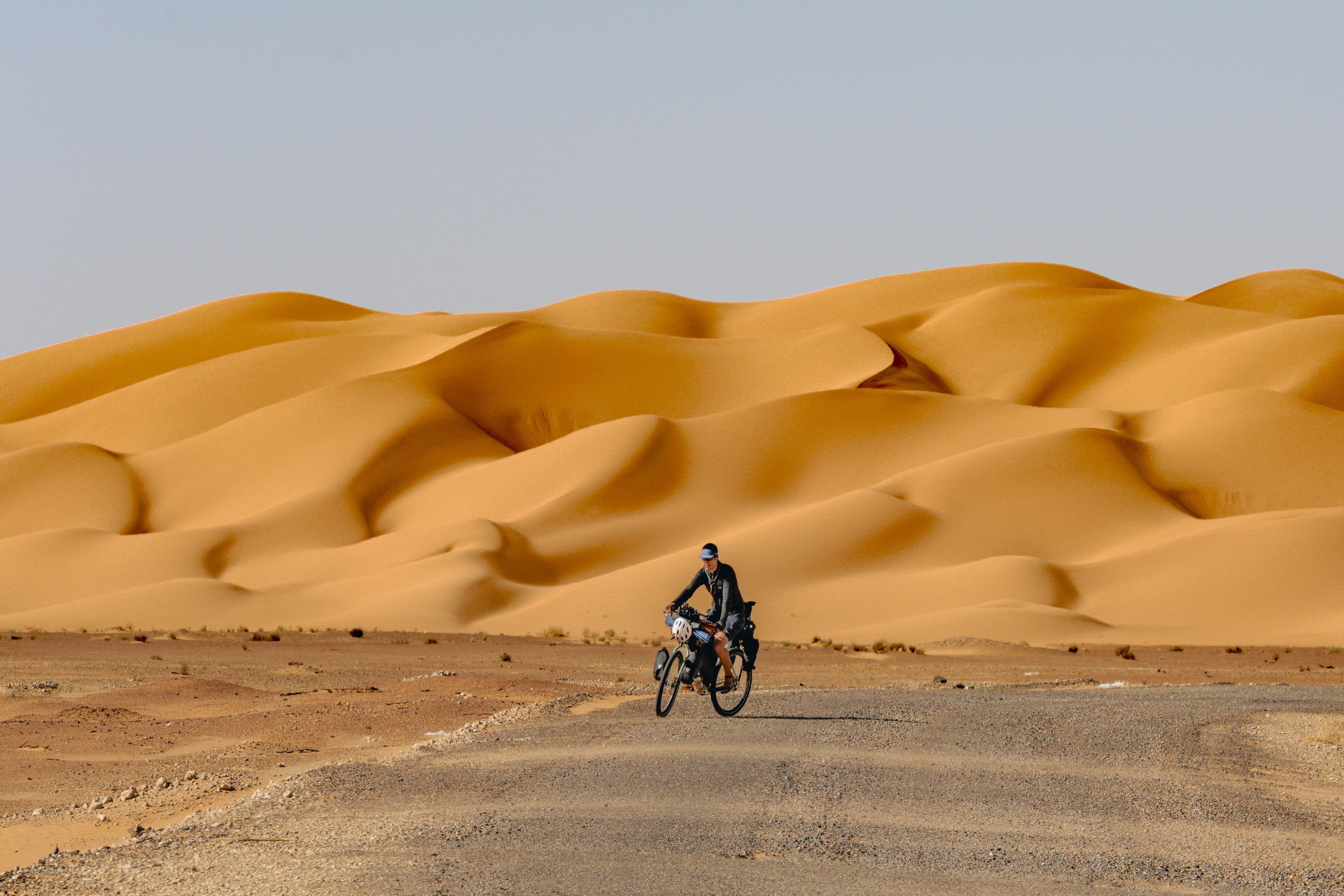
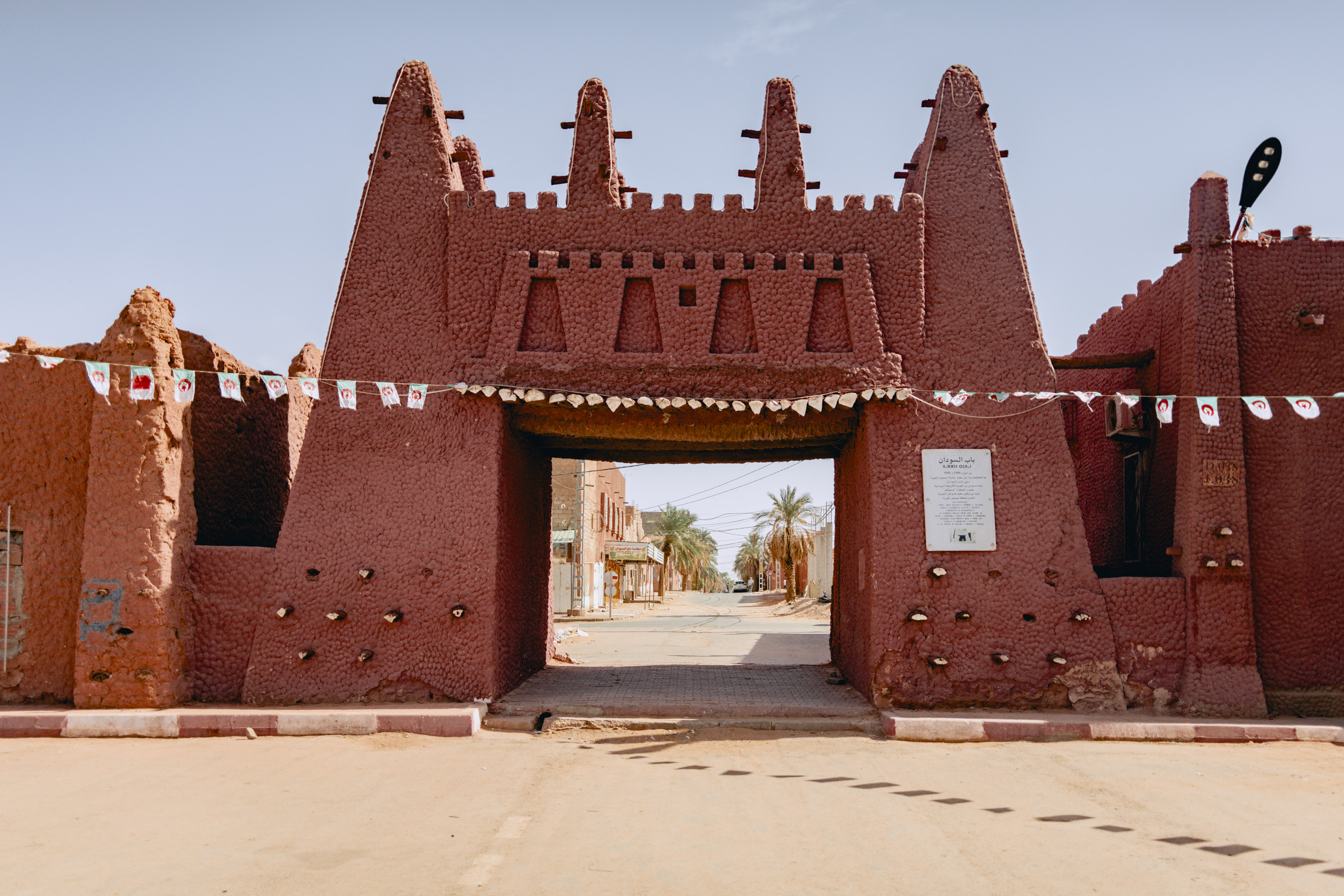
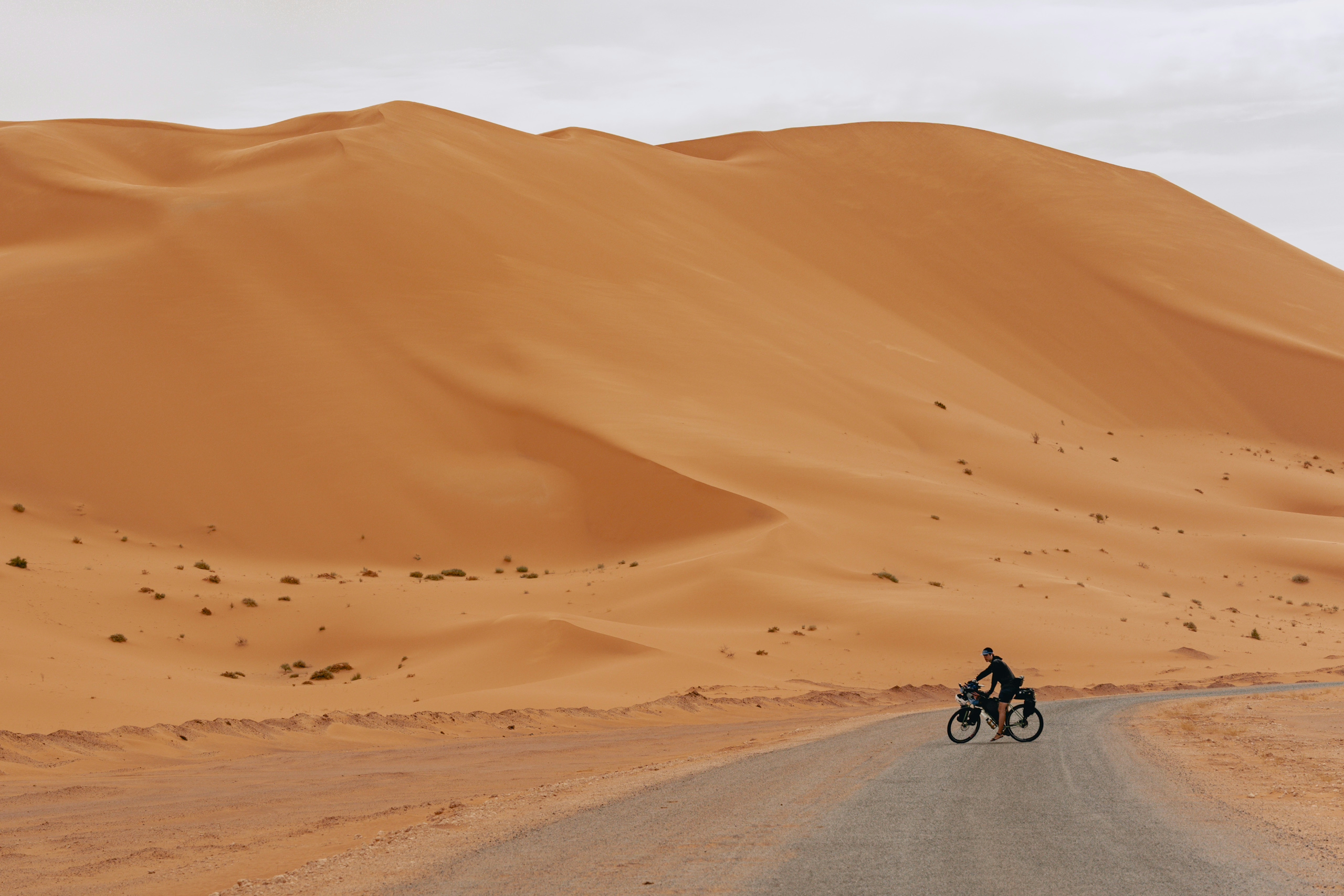
I will be focussing on my route in the Sahara desert, in a region known as the ‘Grand Erg Occidental’ or ‘Great Western Erg’. If you want to cycle on paved roads surrounded by massive sand dunes, this might be the best place in the world for it. The route passes through history-rich places such as Timimoun, which is home to the Berber tribes such as the Zanata, and was once a major stop on Trans-Saharan trade routes. The villages along the Erg (transl. = ‘Sandy Sea’) are incredibly picturesque, quite, yet filled with welcoming locals and often home to historical fortresses (Ksaars). The route also passes through the town of Ain Ouerka, and its multicolored, otherworldly mountainscapes. But it does come with its challenges.
Difficulty & Challenges:
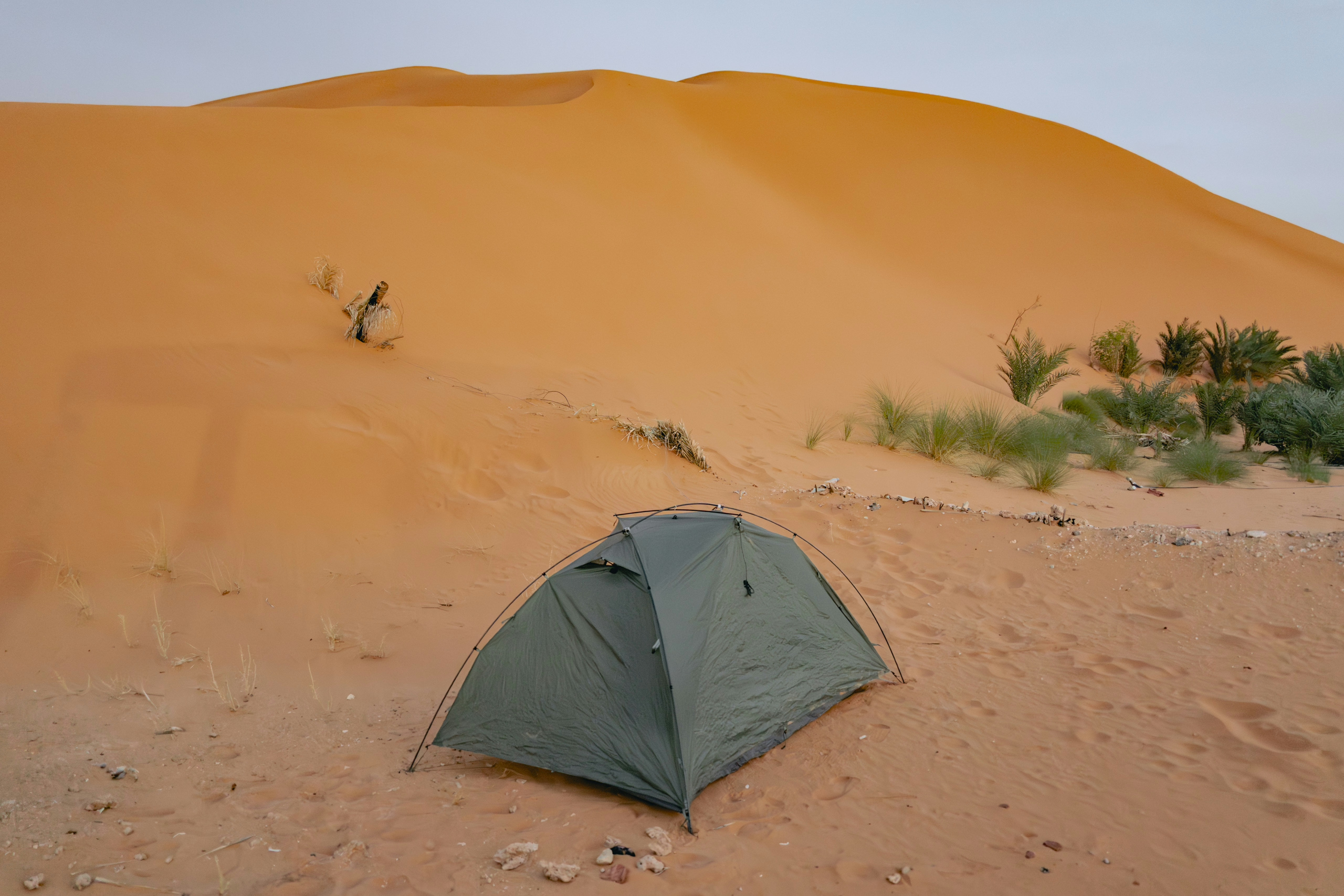
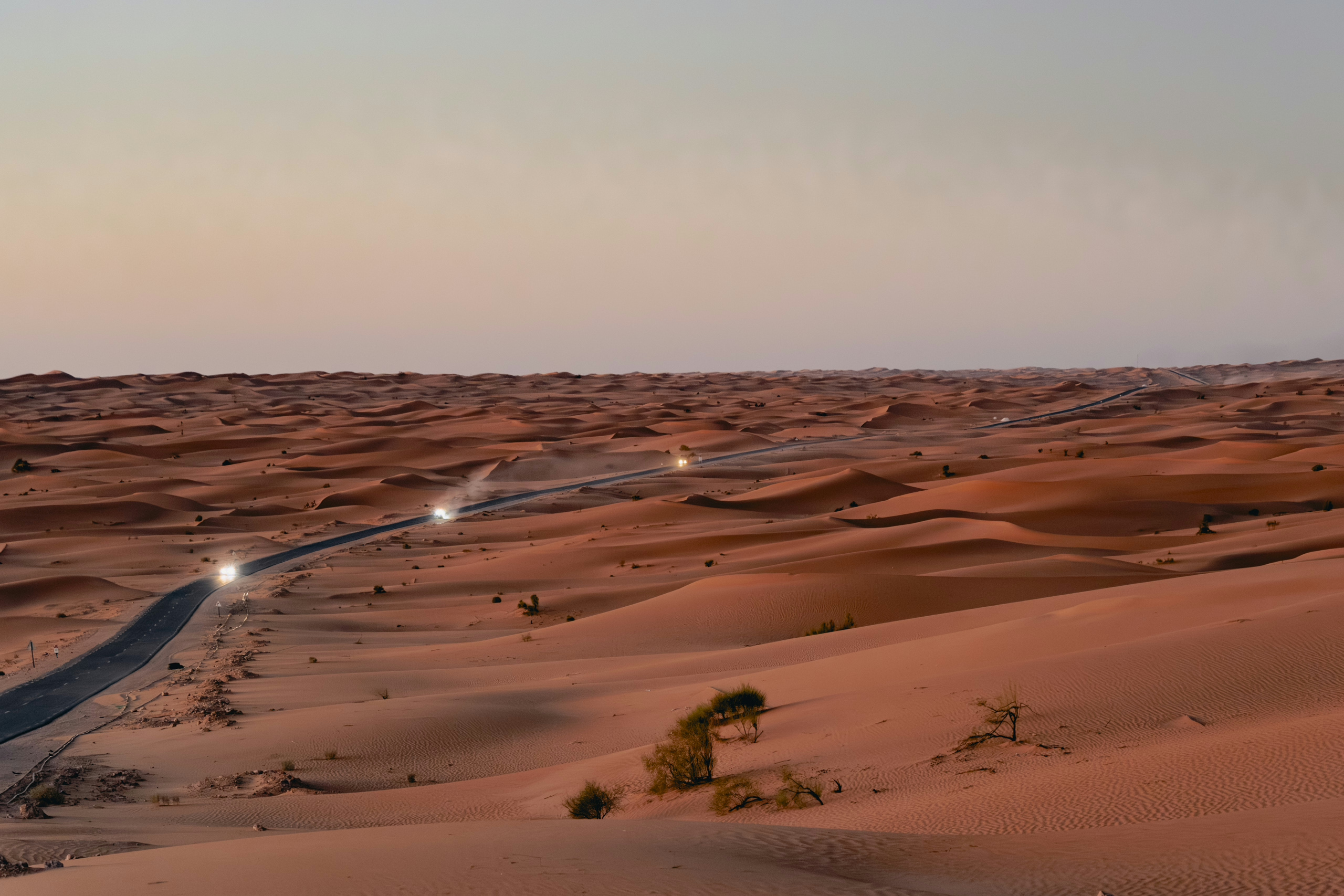
Well, where do I begin? Cycling this route could be very challenging if attempted solo, however, you likely won’t be going alone most of the time, even if you’d prefer to be. This is because the Algerian government/security forces restrict independent travel in the Sahara Desert. On the ground, this means you’ll likely be escorted by the police or national guard most of the time. They will also not allow you to wild camp, unless near a police station. The only way to avoid dealing with the authorities would be to travel with an authorized (and rather expensive) tour guide. Note that these restrictions only apply to the desert regions, in the mountainous North of Algeria, I was allowed to move and camp freely.
There is no official reason for these escorts, some officers would tell me that the desert is too dangerours (sandstorms, lack of water…), other said there are dangerous animals (wolves, scorpions…), and some where more honest and told me that there is a minor kidnapping risk due to terrorist groups spilling over from the southern borders with Mali, Niger and Libya. However, I’d like to think that this risk is near zero in the region I have travelled due to the still very large distance to those borders. This caution would be more understandable in the far South, such as Djanet or Tamanrasset. In early 2025 there was indeed a kidnapping of a Spanish Tourist who was abducted and brought to Mali.
In the ‘Grand Erg Occidental’ region there were no such incidents in recent years, and I felt safe at all times.
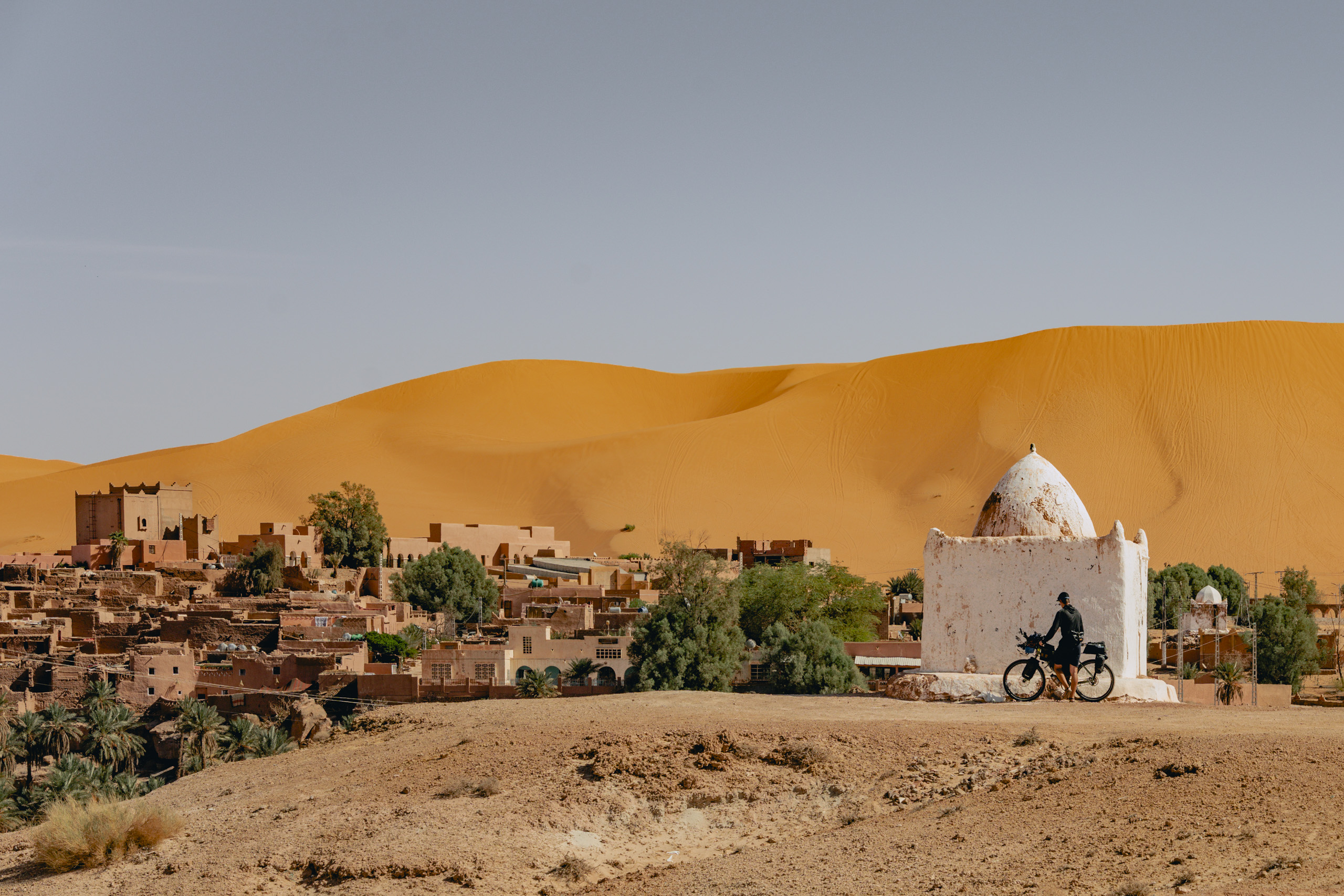
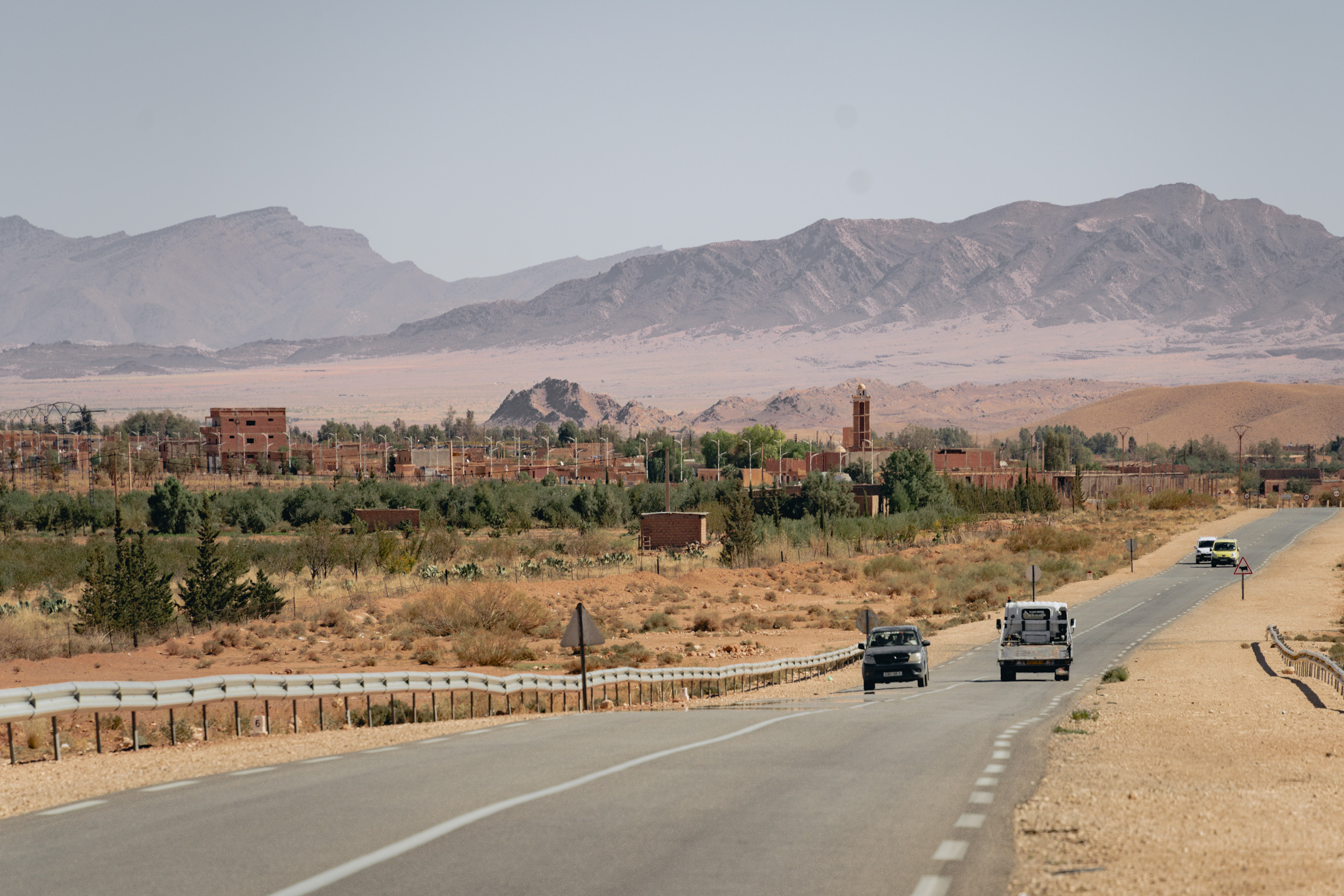
Now regarding the physical difficulties of the ride, it should be a rather straightforward if you plan your trip accordingly. There are no major climbs, all roads are paved and generally in good condition, and you should have tailwind most of the time. Do check the weather forecast though, if you will have headwind in the remote sections, such as El Bnoud to Timimoun (as I would have had), it will be very challenging, as during the day the wind is blowing with gusts at around 40km/h on average. Severe sandstorms are rare in the colder months, and I am going to assume no one will be crazy enough to attempt this ride during summer, when temperatures are 45+ degrees Celsius. In November the temperatures were between 20 and 33 degrees during the day, and didn’t drop below 10 during the nights.
Resupply points are sparse but not extremely rare, in (or near) every village you will find water, usually a well or a tap. At major intersections along the highways you can generally find a petrol station.
I didn’t get sick from drinking this ground water, but if you want to be on the safe side, it’s better to bring a filter. Shops will sell water & basic food products, but they aren’t available in every village, so carrying food that will last you for 2 days is a good idea. Restaurants can only be found in cities. Keep in mind that if you visiting during Ramadan, shops and restaurants will likely be closed during the day.
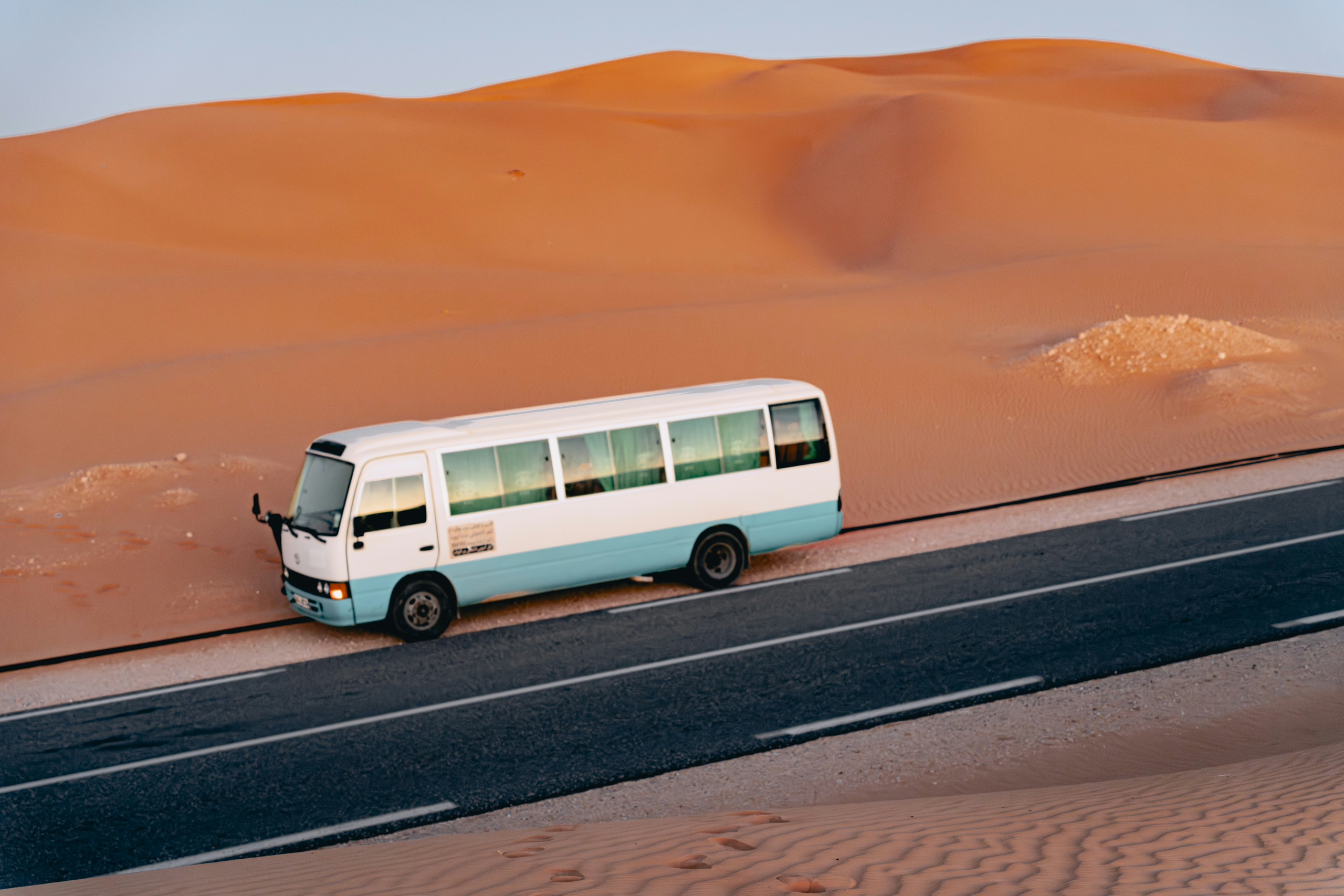
The section that will require the most planning is the road between El Bnoud and Tinerkouk (Timimoun). It cuts straight through the sandy desert, and for 320 kilometres there will be no village. The police didn’t allow me to cycle this bit because of this remoteness, and I accepted their offer consisting of a free mini bus ride to Timimoun, but this was mainly because of the three days of strong headwinds that were forecasted. If you insist on cycling, I believe it will be possible to convince the police to arrange an escort for you. There will be a rest stop with a mosque and probably water at (31.81255, 0.62567), another rest stop which may or may not be open at (30.93463, 0.80016), and a potentially a police guard who can give you water at roughly (29.95502 0.79307). I’ve got this information from an Algerian cyclist (Algerians are allowed to cycle here independently) but make sure to confirm with the locals and authorities when you are there. But, seeing as you will most likely be accompanied by the police the whole time, it’s obviously easier to just load up the police truck with food and water.
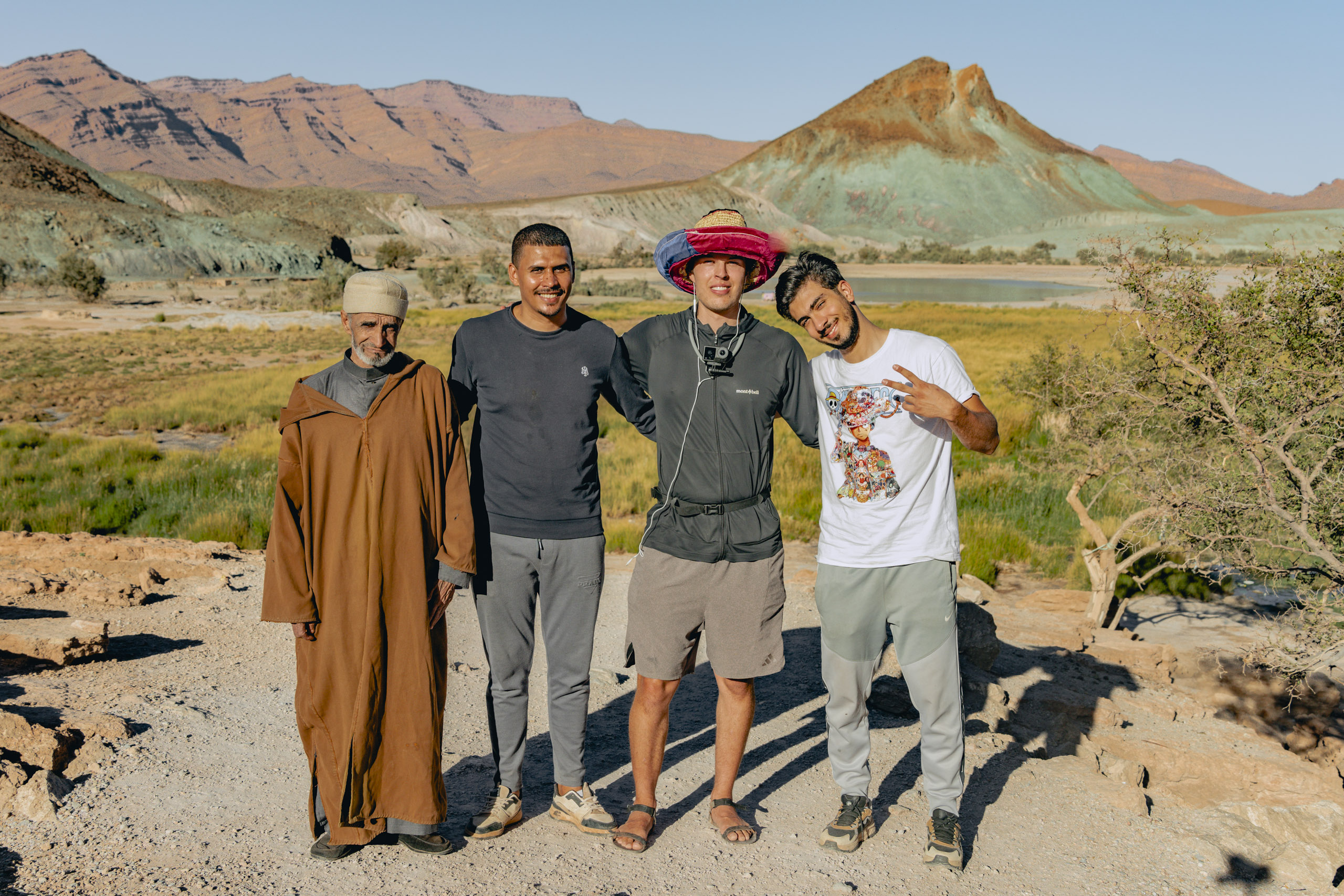
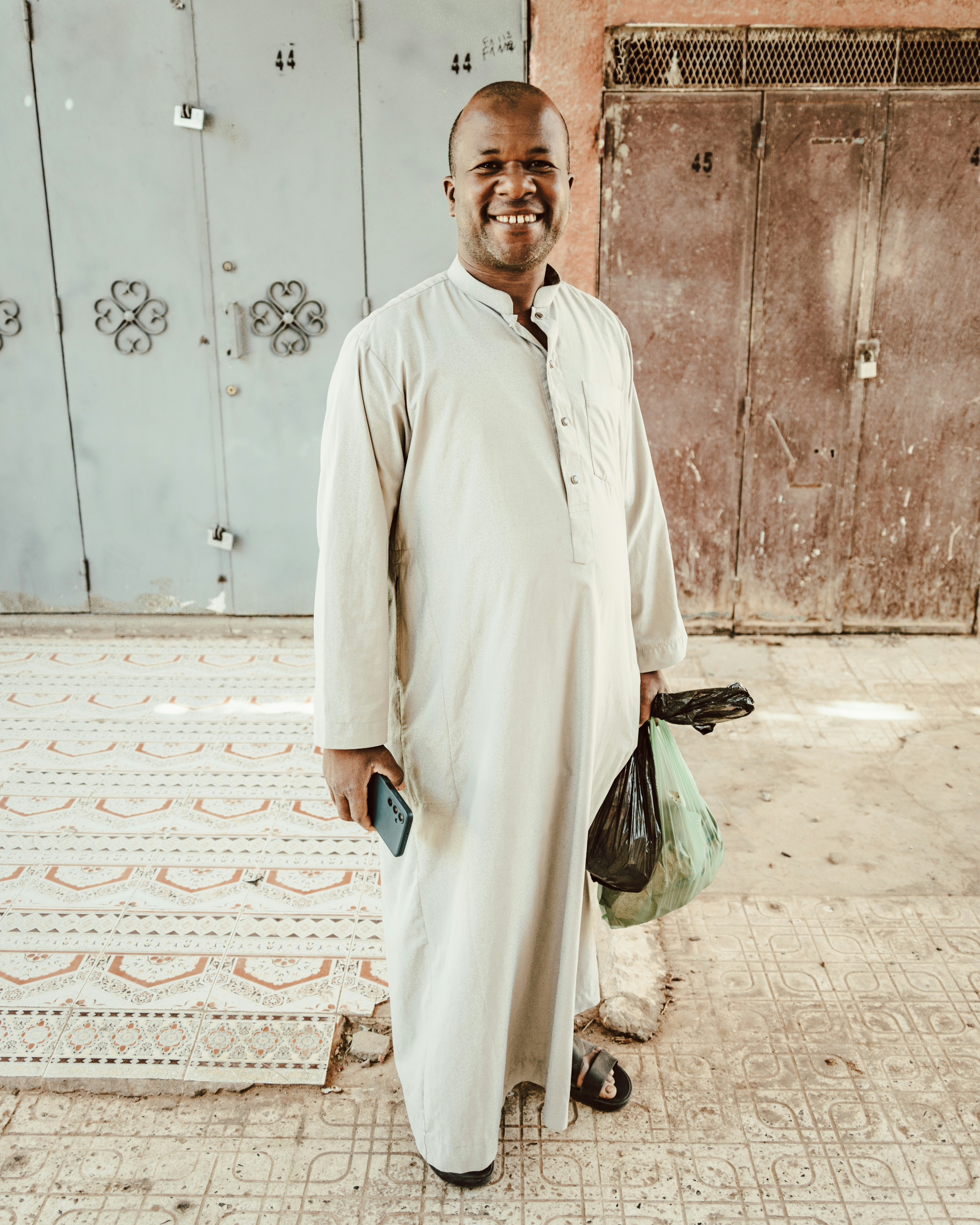
While police escorts take away from the freedom that bike touring offers, I have to say that most of the Algerian police officiers were very friendly and welcoming. But being stubborn and insisting on wanting to cycle alone can pay off, in a few occasions I was allowed go independently. I would offer to exchange phone numbers and to share my live location on WhatsApp with the police. Sometines the police was happy with this. Thank you technology.
To communicate efficently you will need to be fluent in Arabic or French, Tamasheq will also be spoken amongst the local Berber population. Most young people will speak some English, the older generation very rarely. Translation apps will come in handy, and network coverage is generally good in or near cities & villages (Mobilis SIM card is recommended).
Is it worth it?
Overall, I’m very glad I went. If you want to see the Sahara desert, Algeria is probably the place to do so. The massive sand dunes, the rich history & culture of the Berber tribes, and very welcoming locals. But would I go again in the near future? Probably not. I just love my personal freedom, being allowed to camp where I want, and prefer not to have a police all the time.
If these restrictions were lifted, I would go again in a heartbeat, to explore the far South of Algeria.