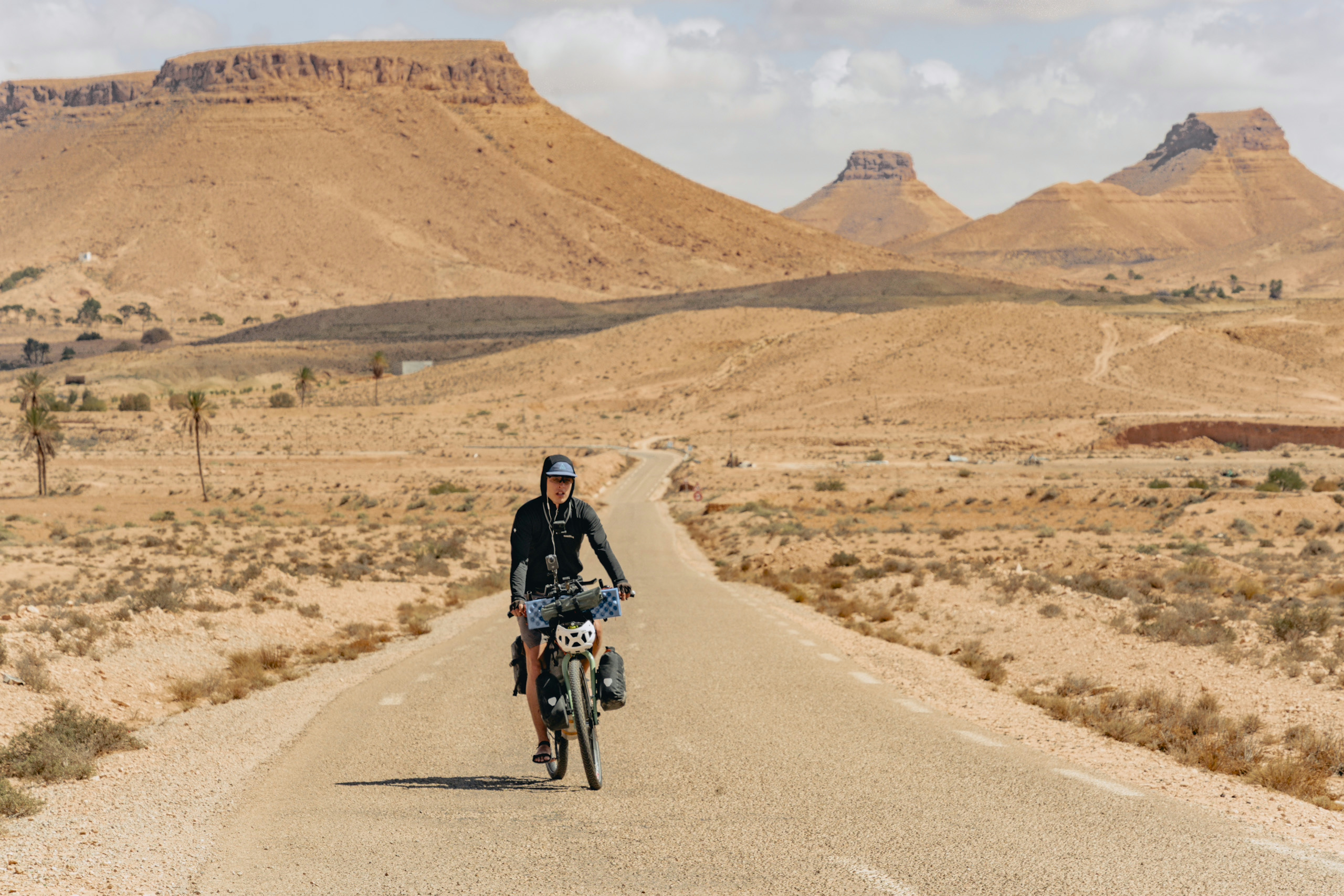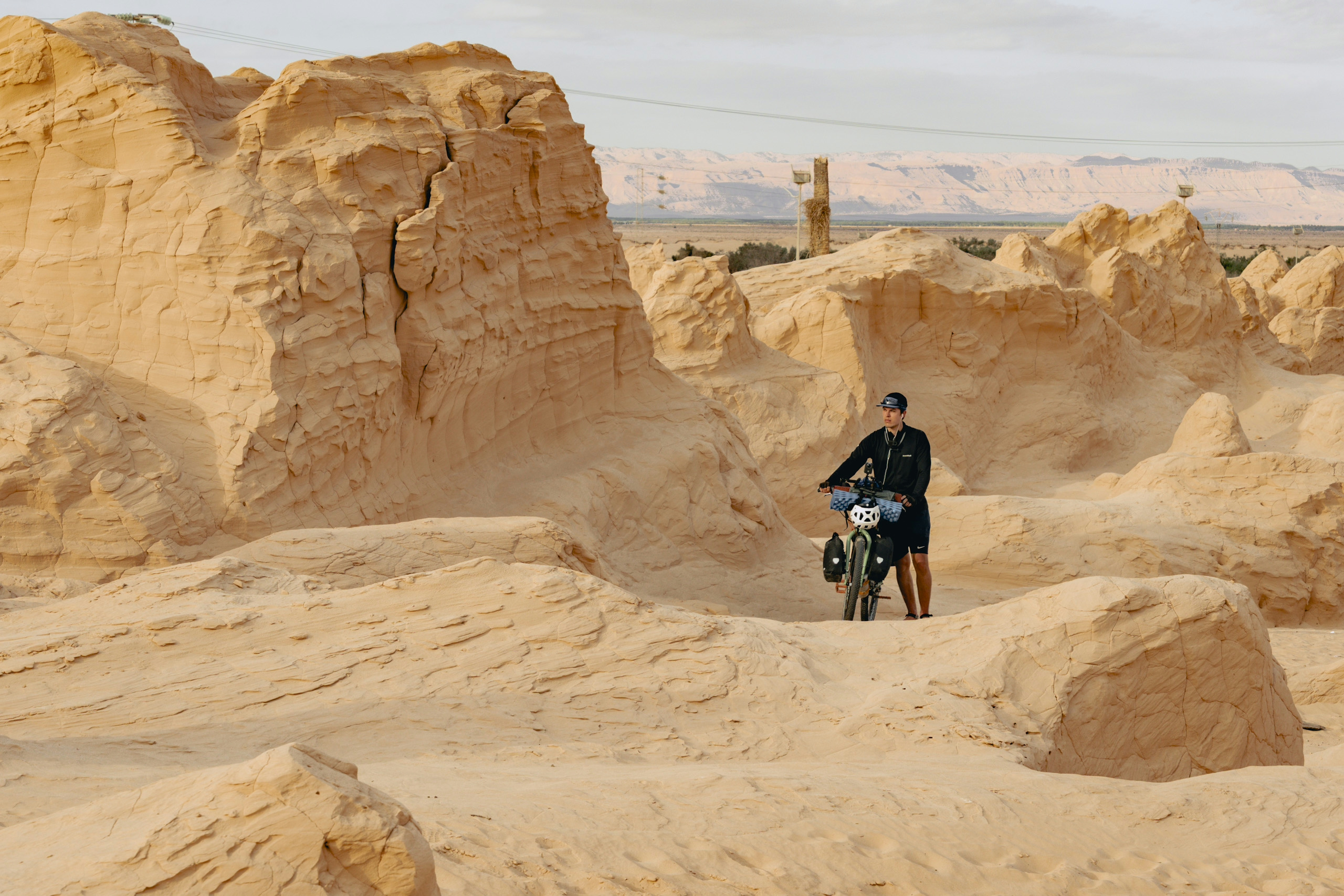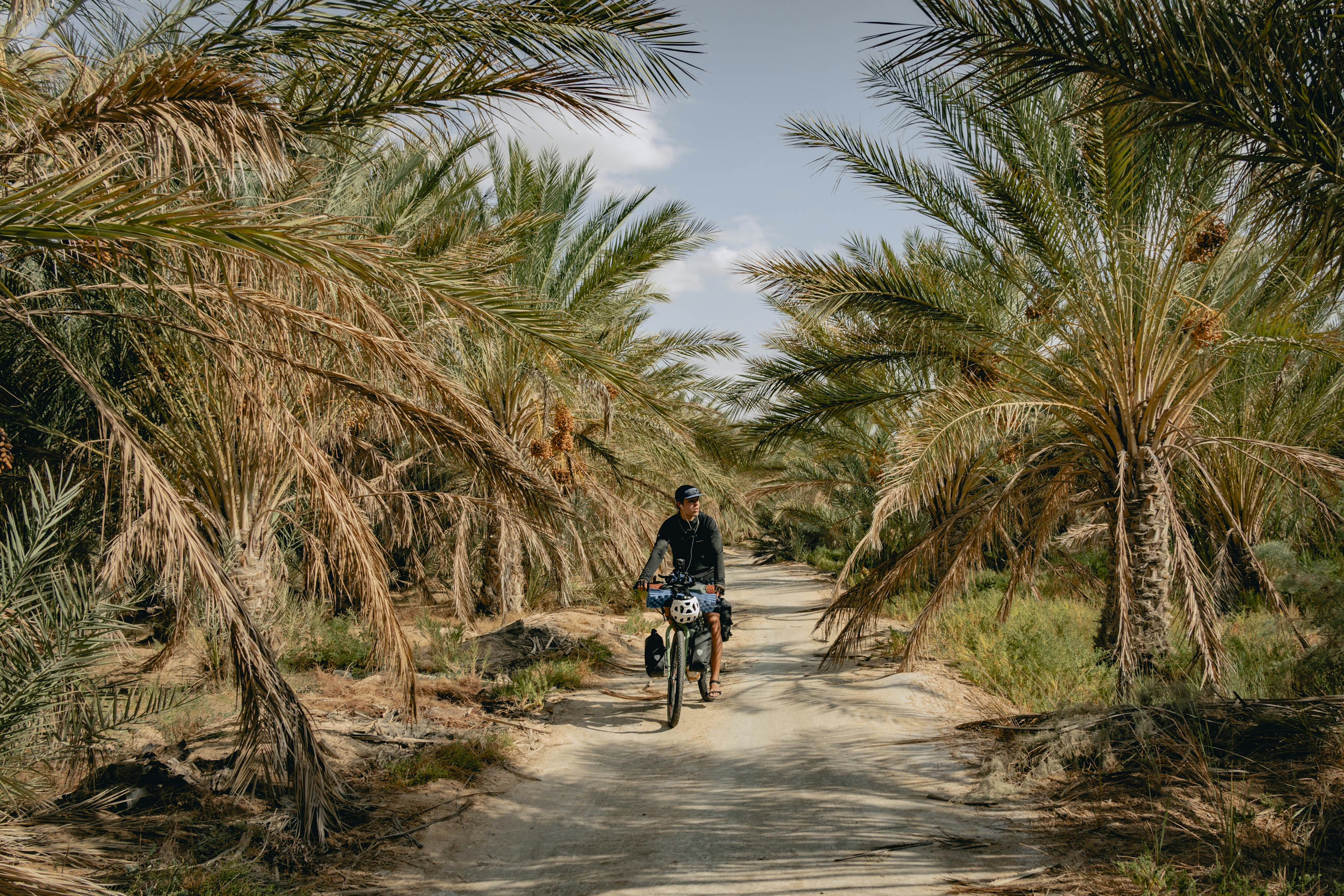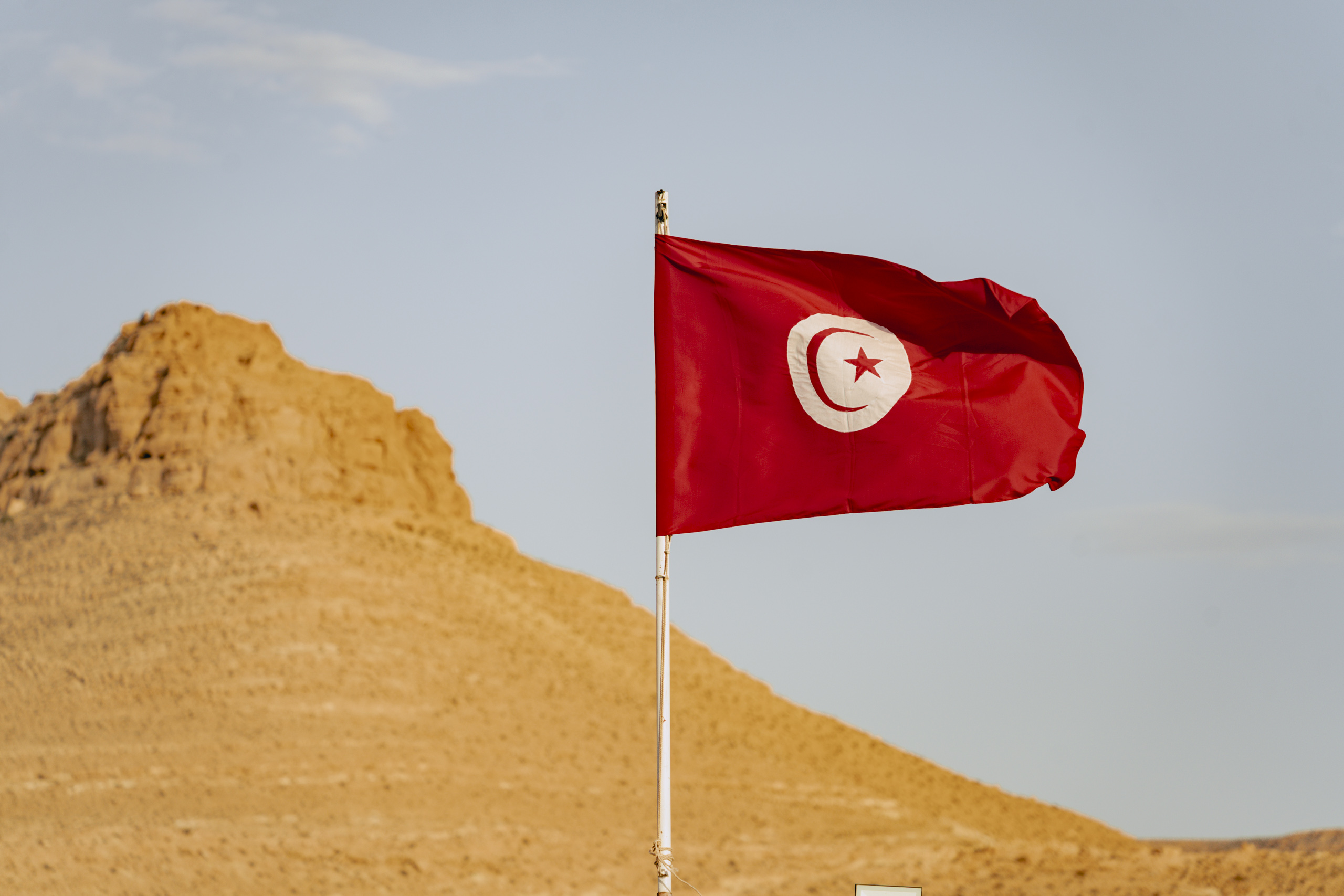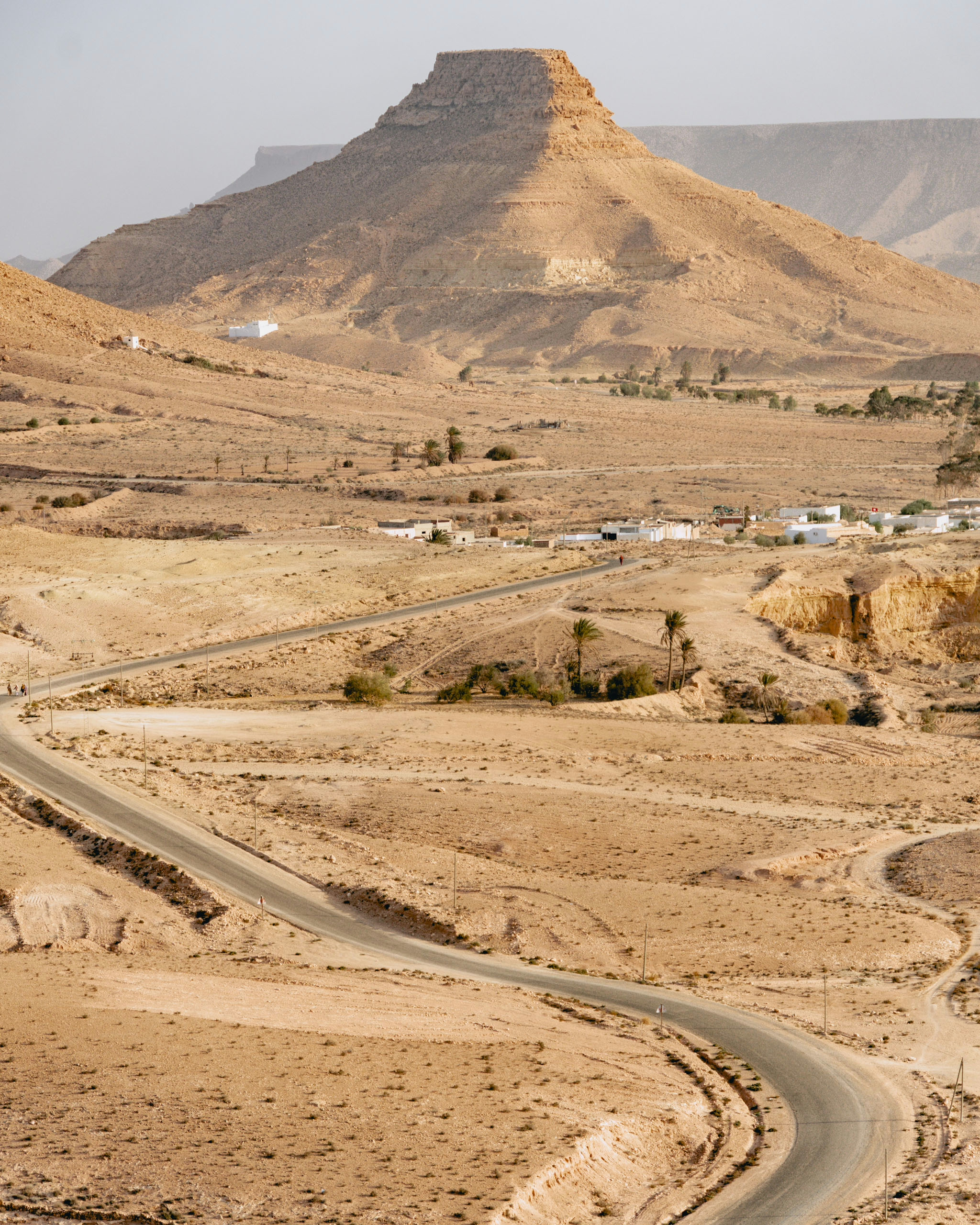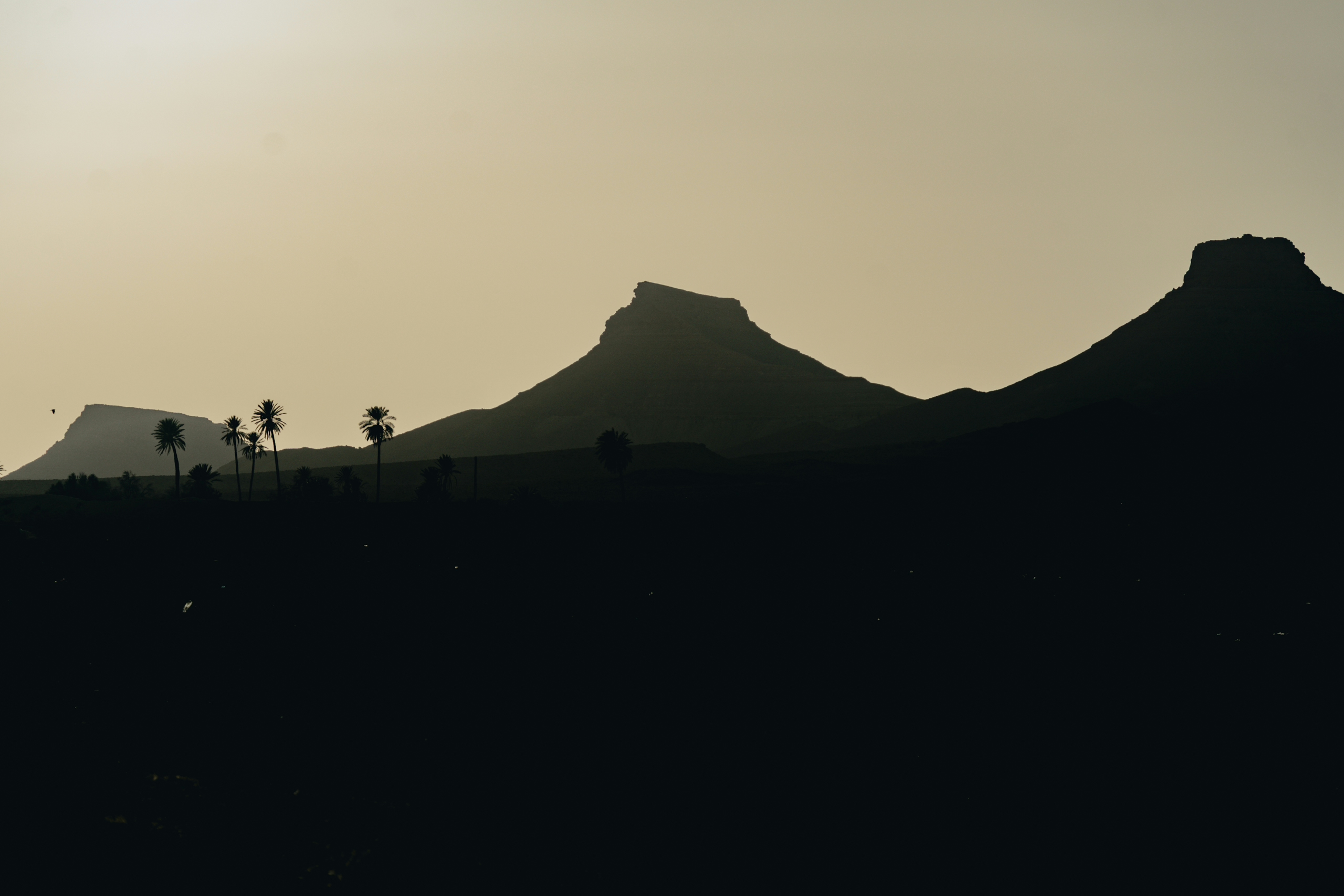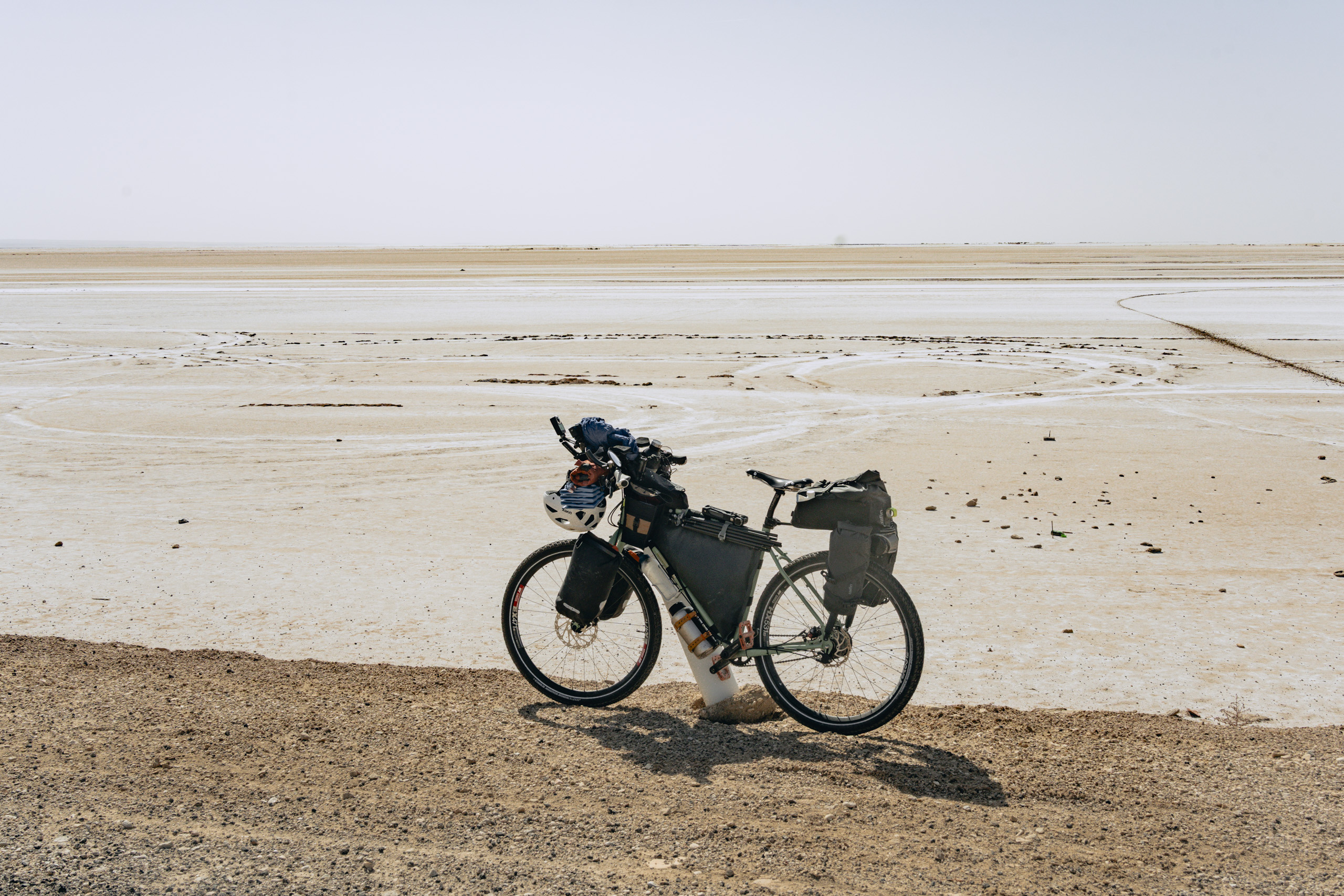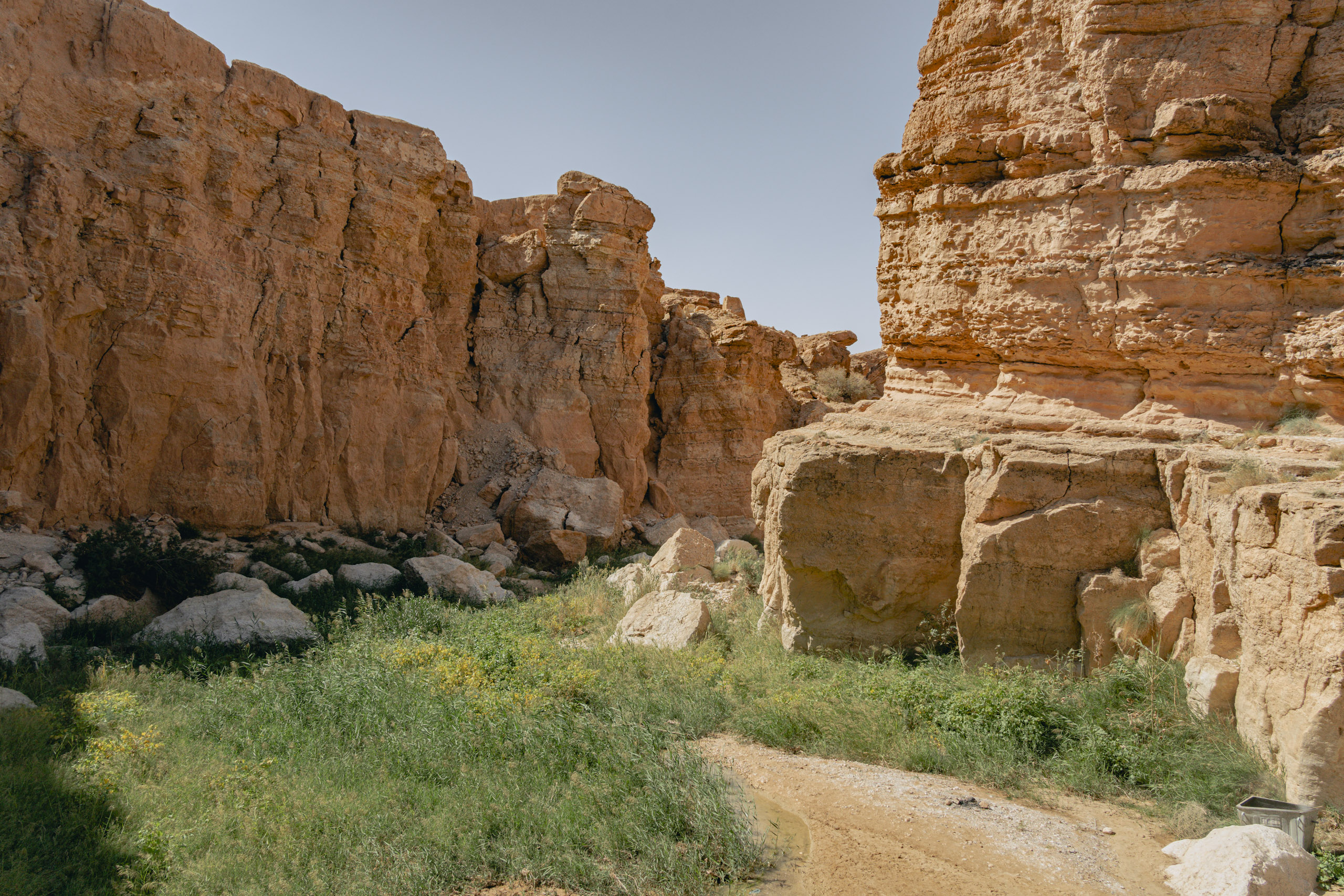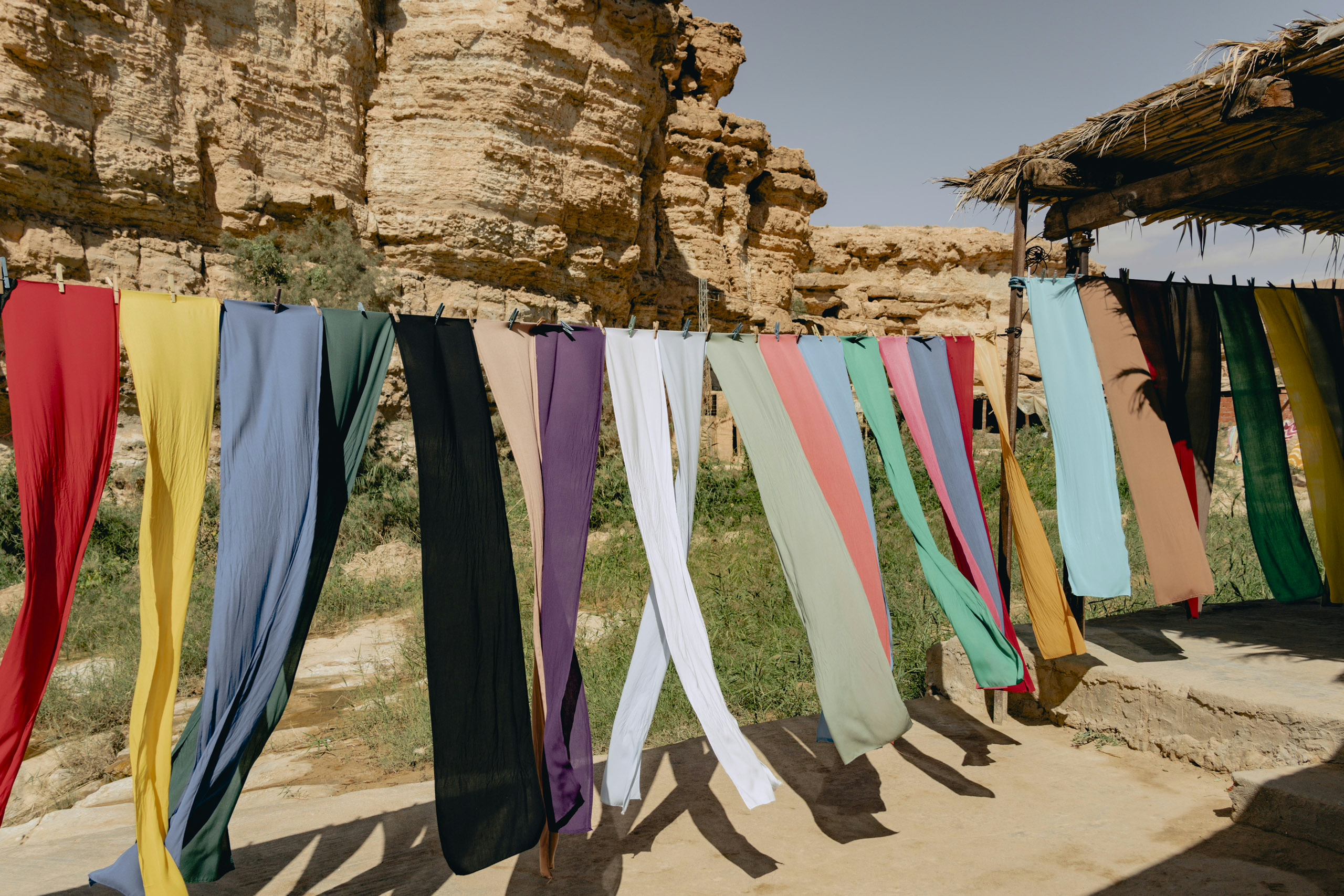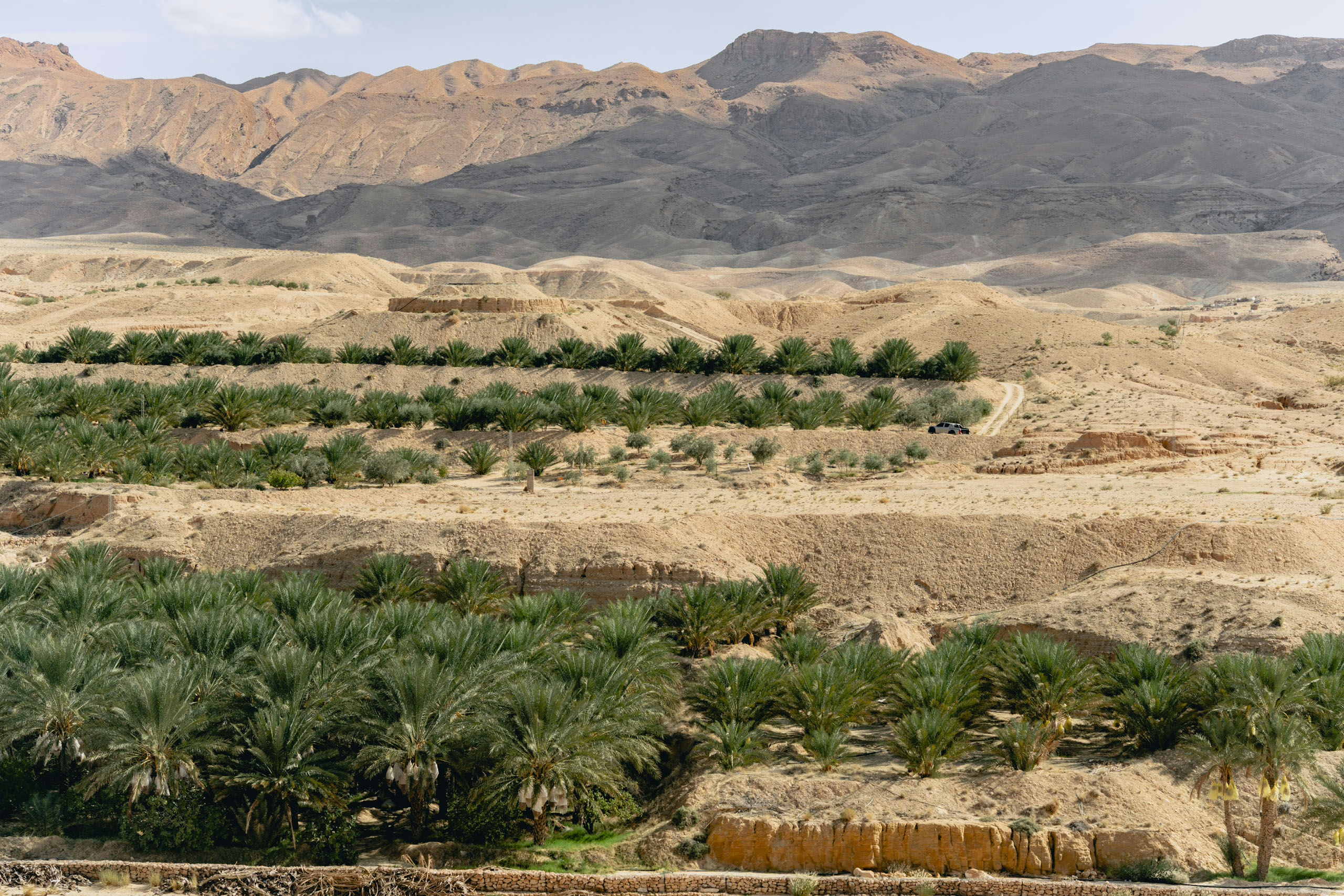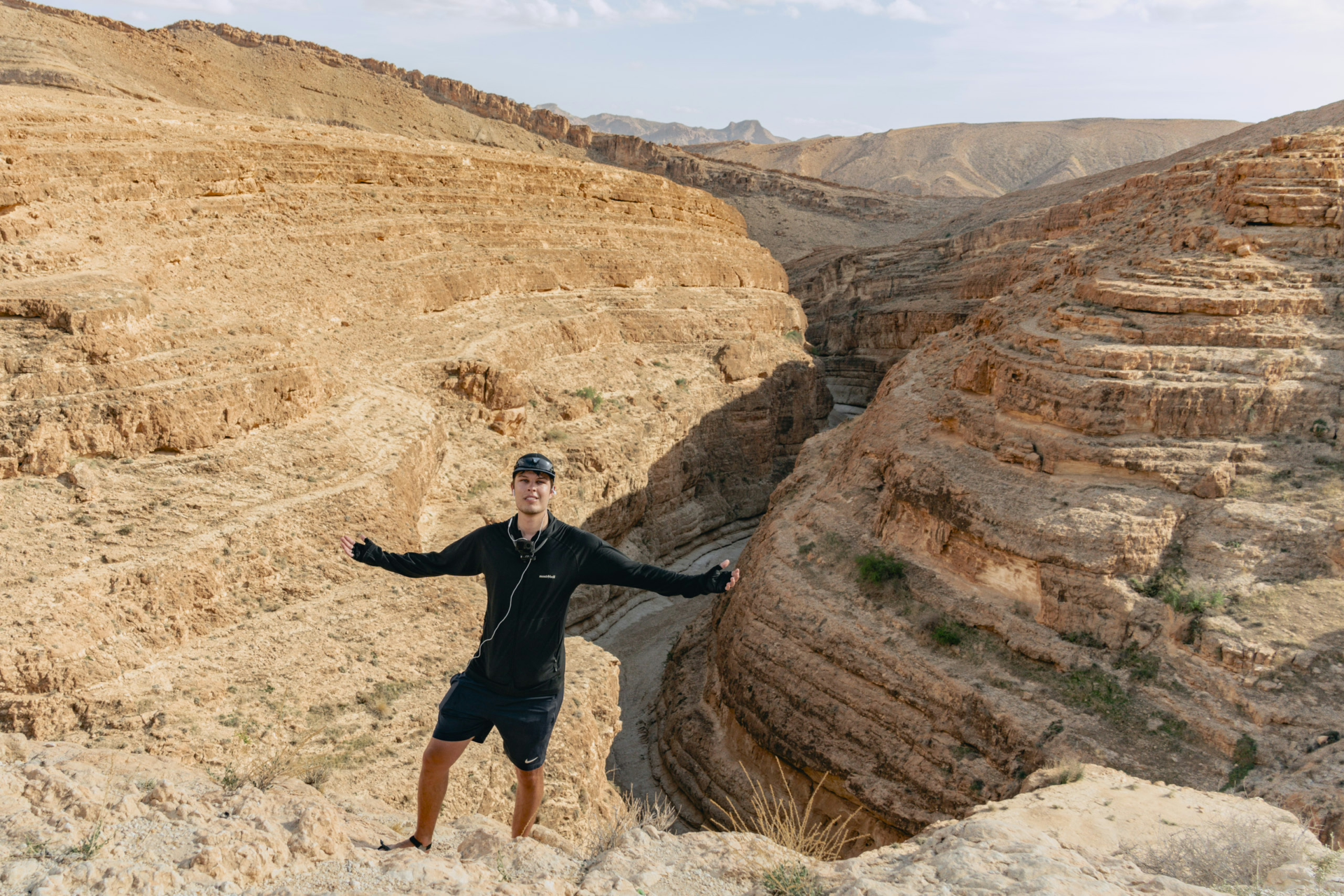
Despite being the smallest country in North Africa, Tunisia has lots to offer when it comes to historic & natural sights. Although it is rather touristy, it’s easy to get off the beaten path. Especially when traveling by bicycle.
The Route
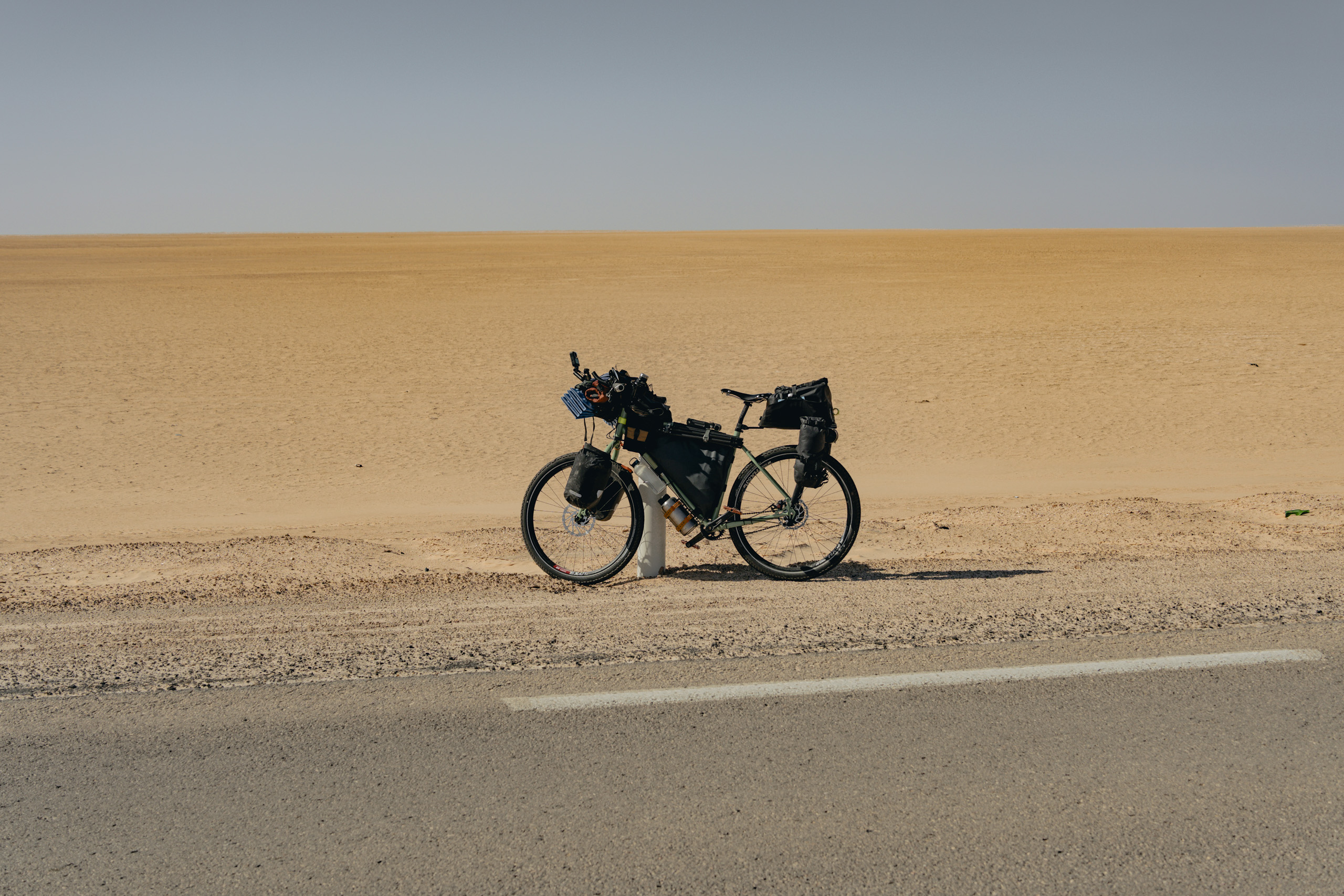
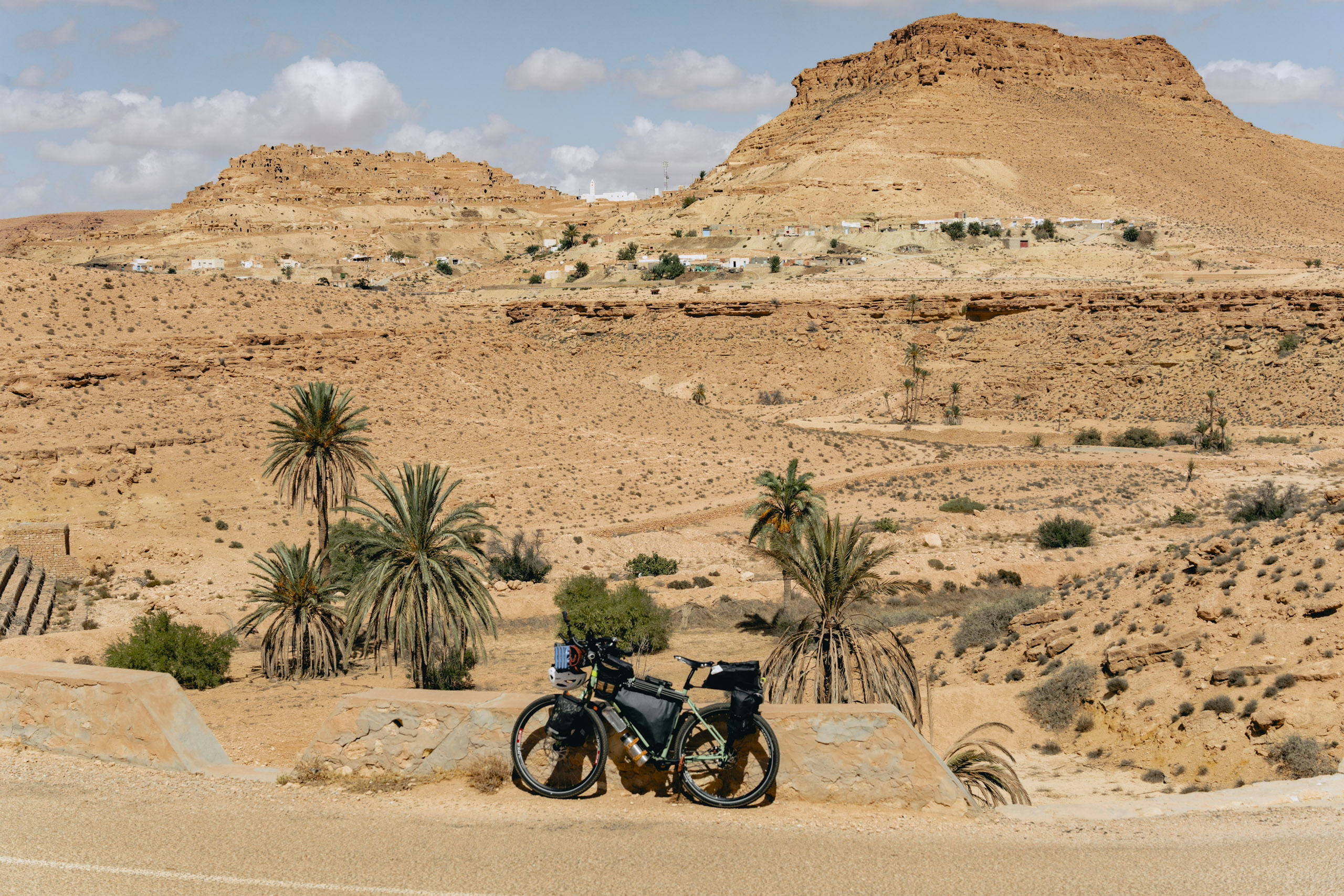
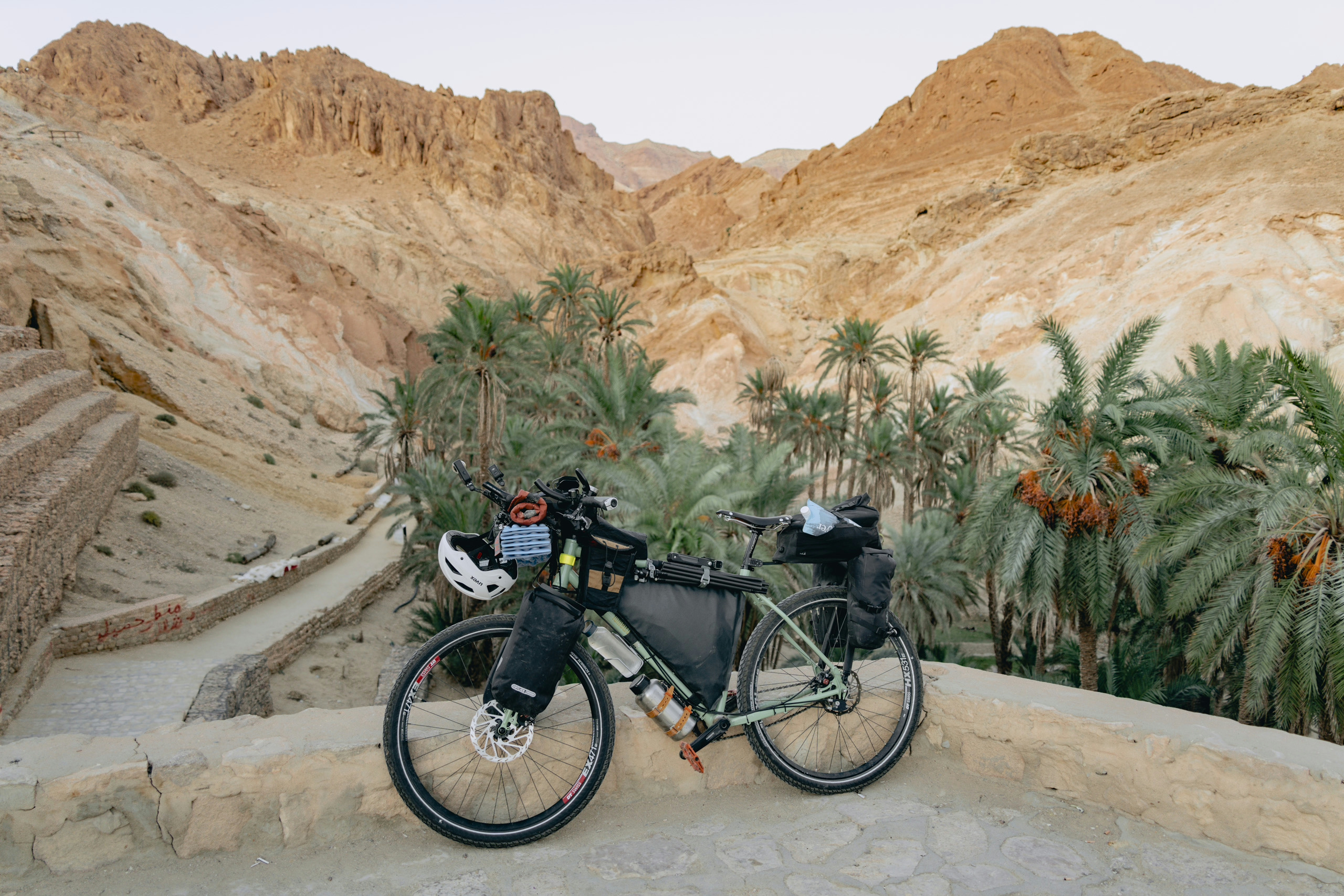
I decided to explore the southern part of the country, at the northern edge of the Sahara desert. The conditions here during fall/winter are perfect for cycling, with average temperatures between 20 and 30 degrees Celsius. The northern part will be quite a bit colder, and more rainy at this time of the year.
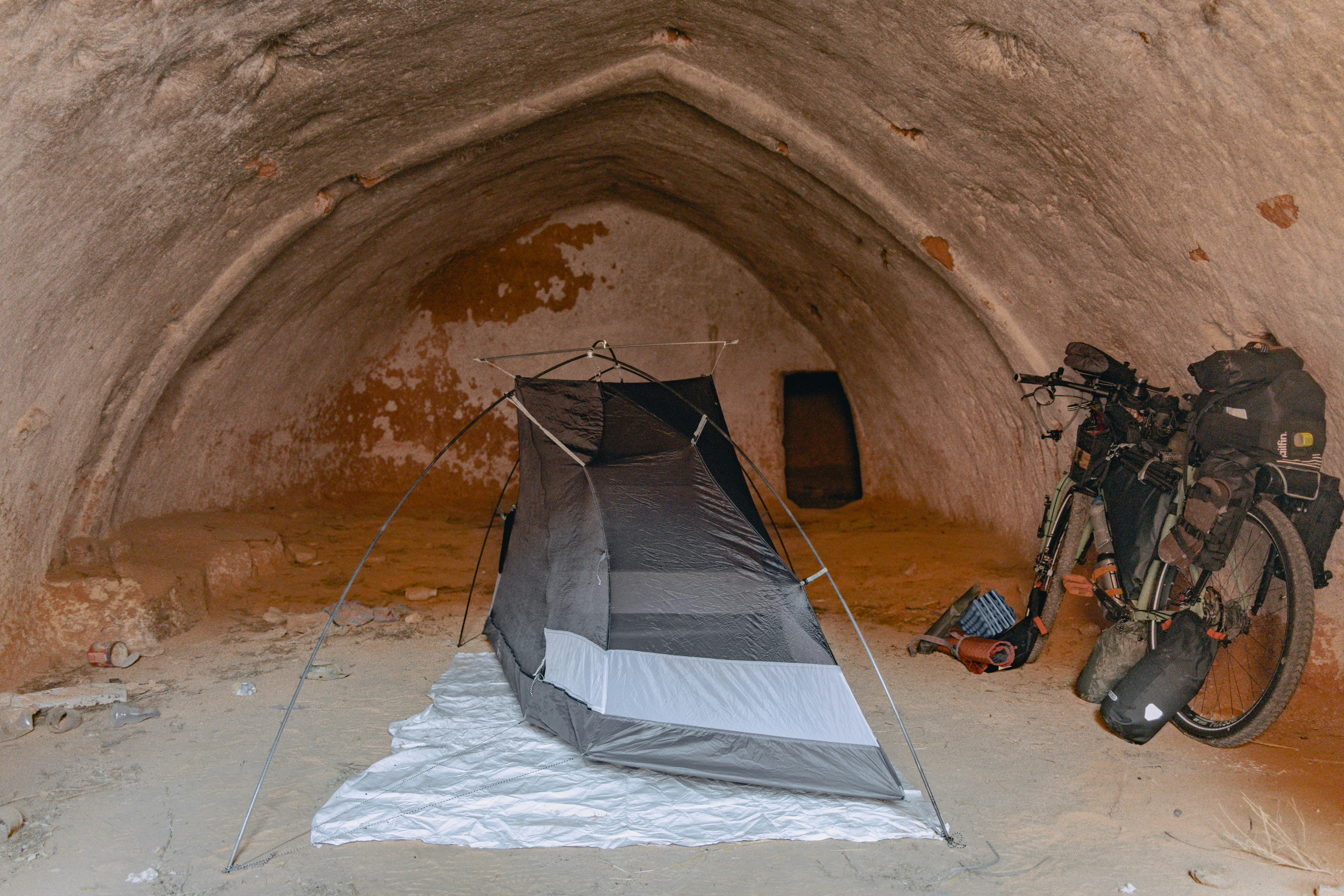
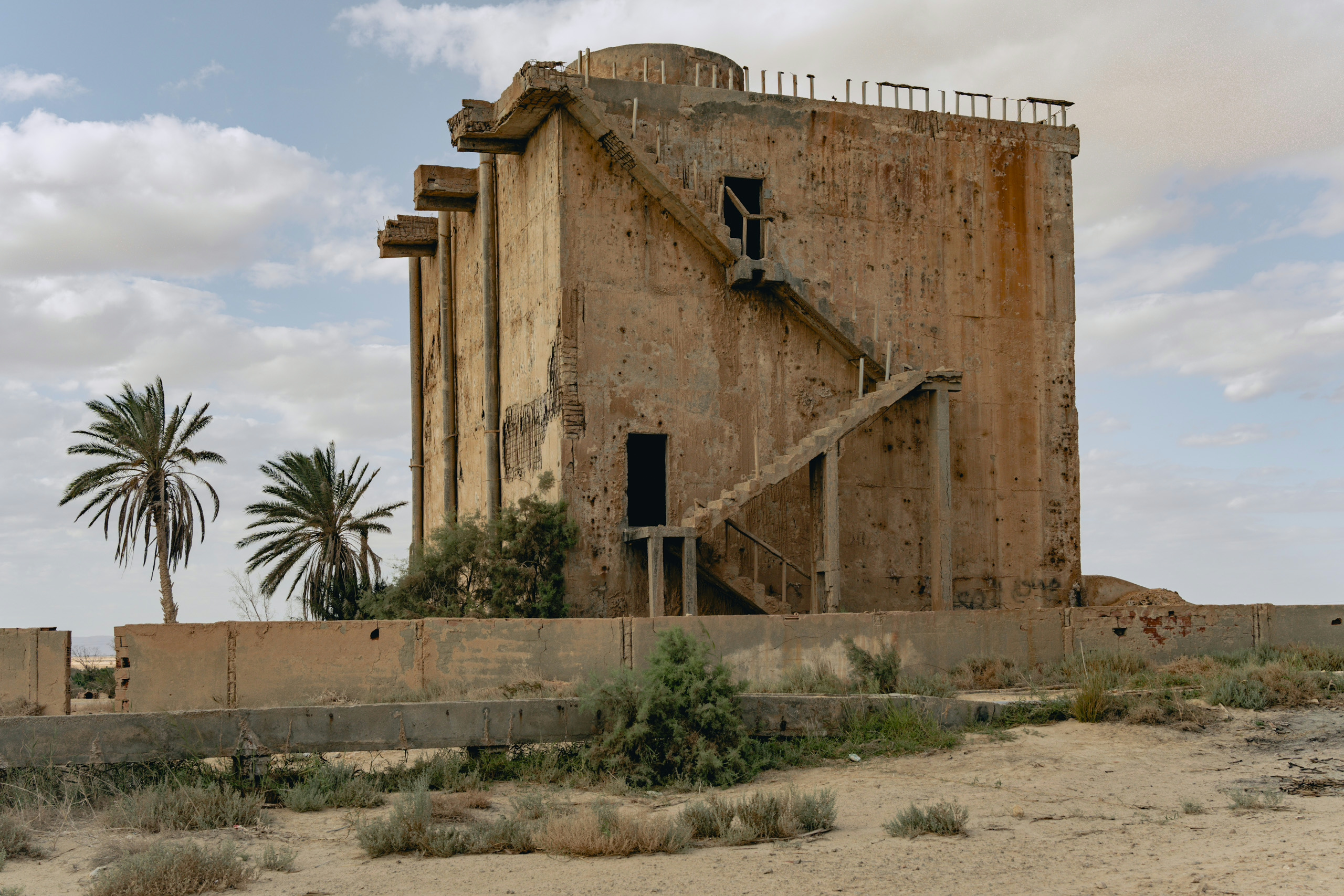
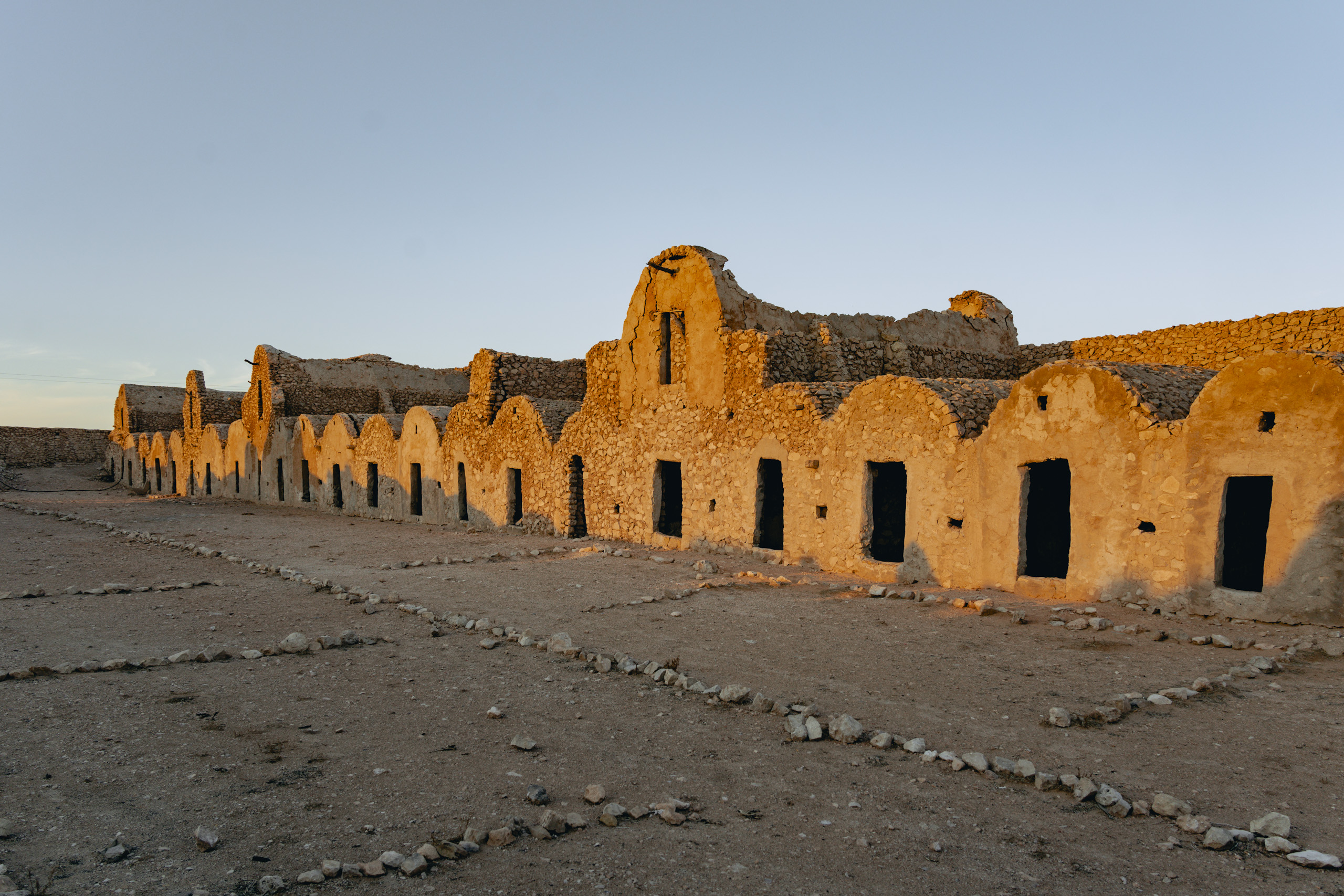
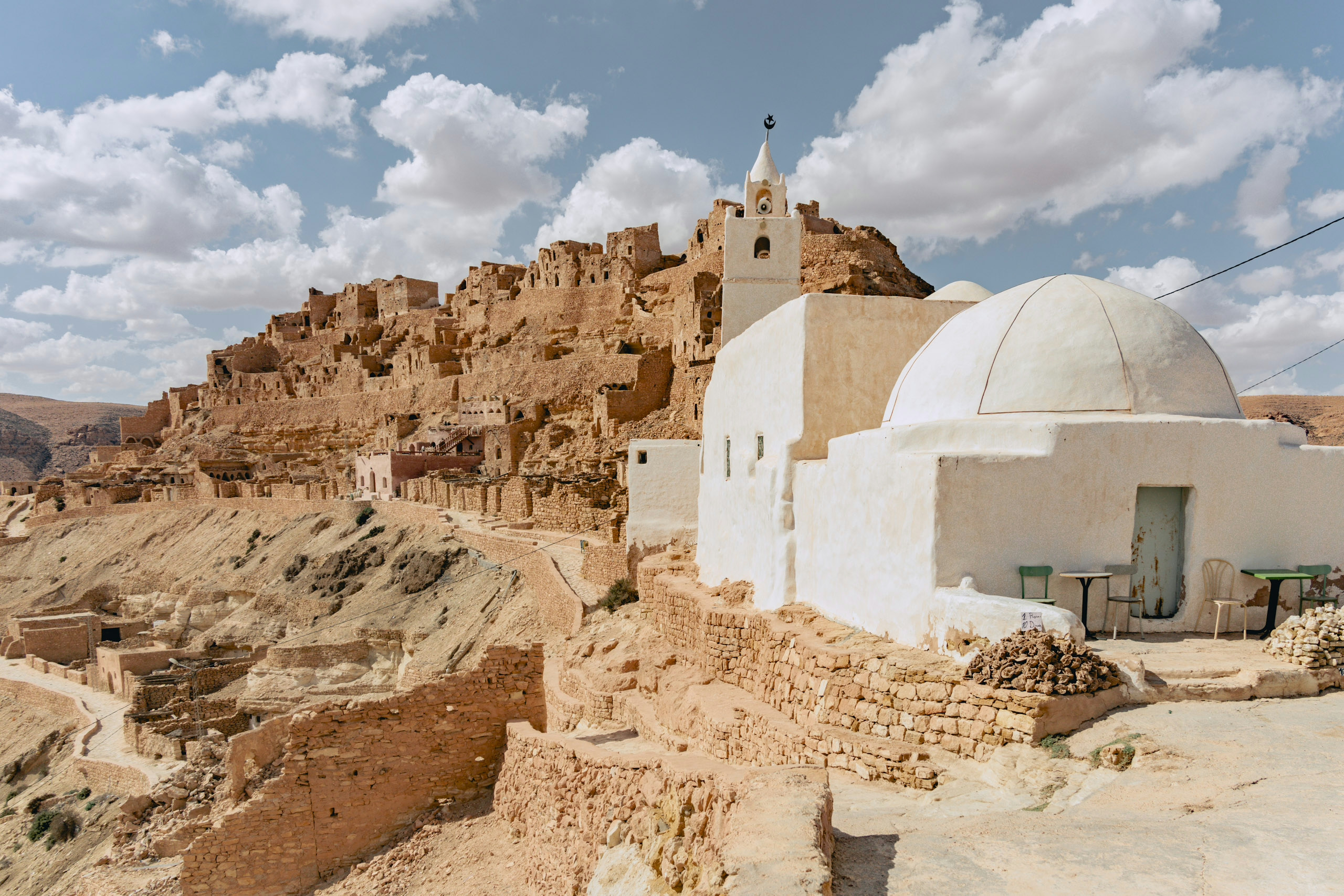
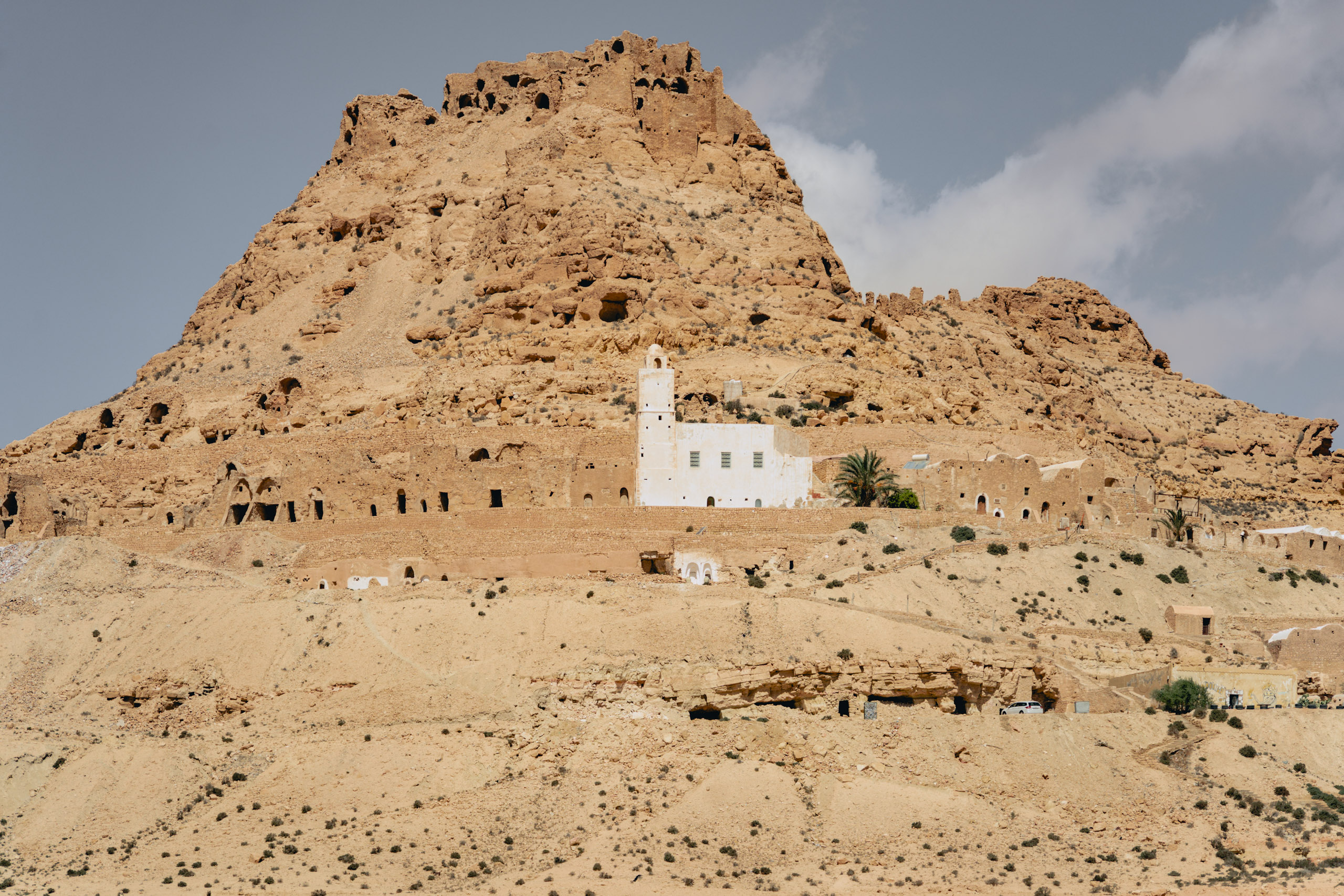
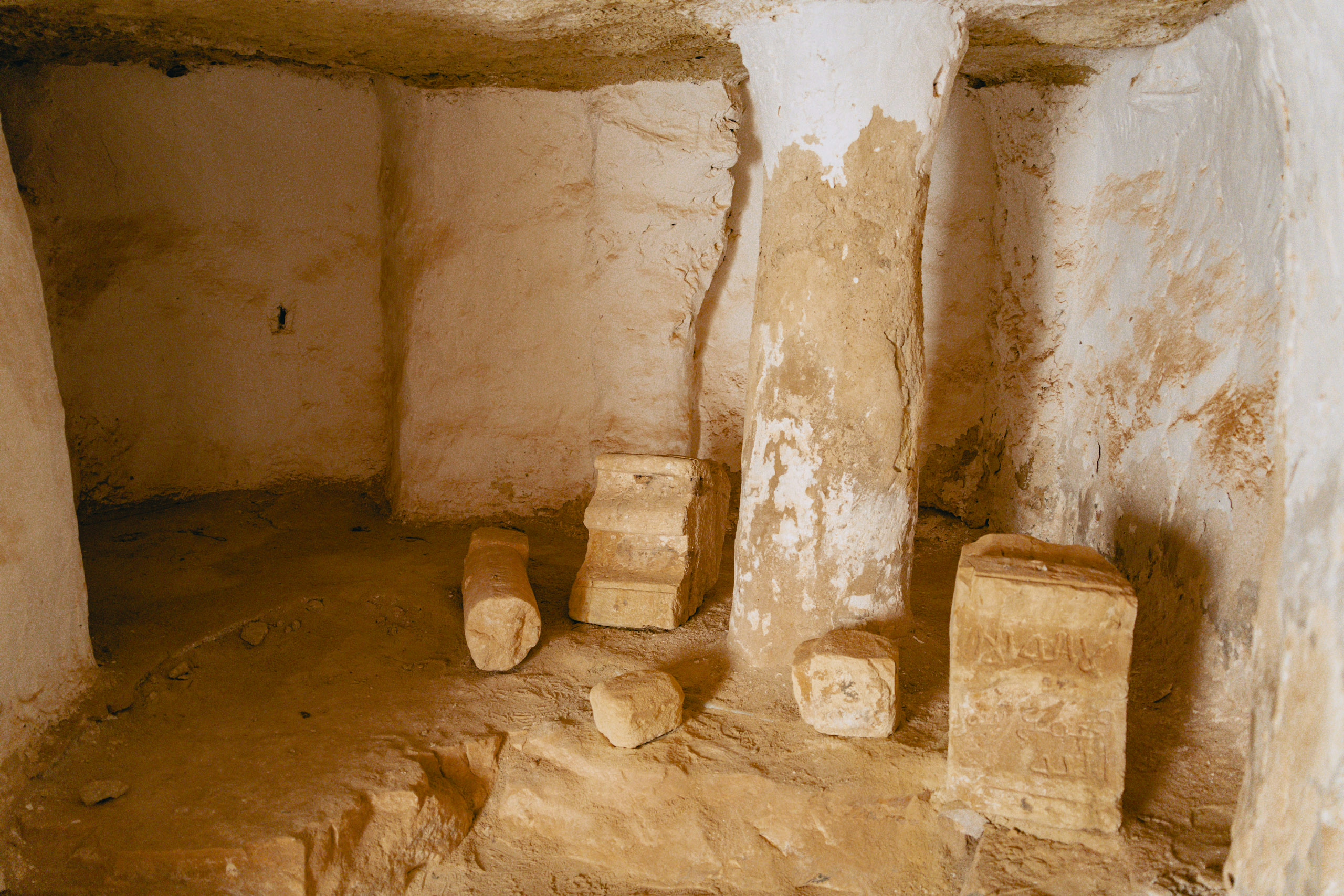
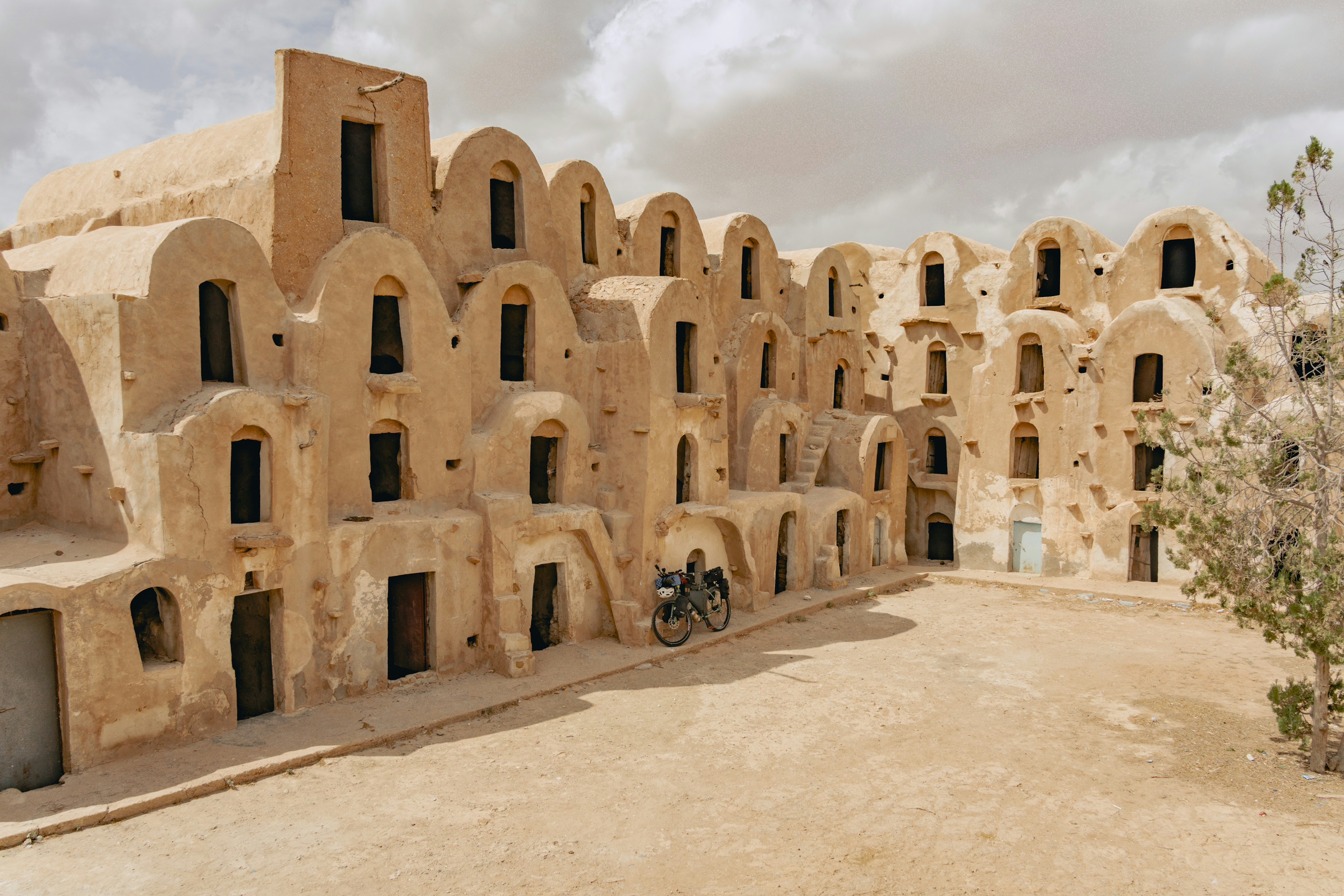
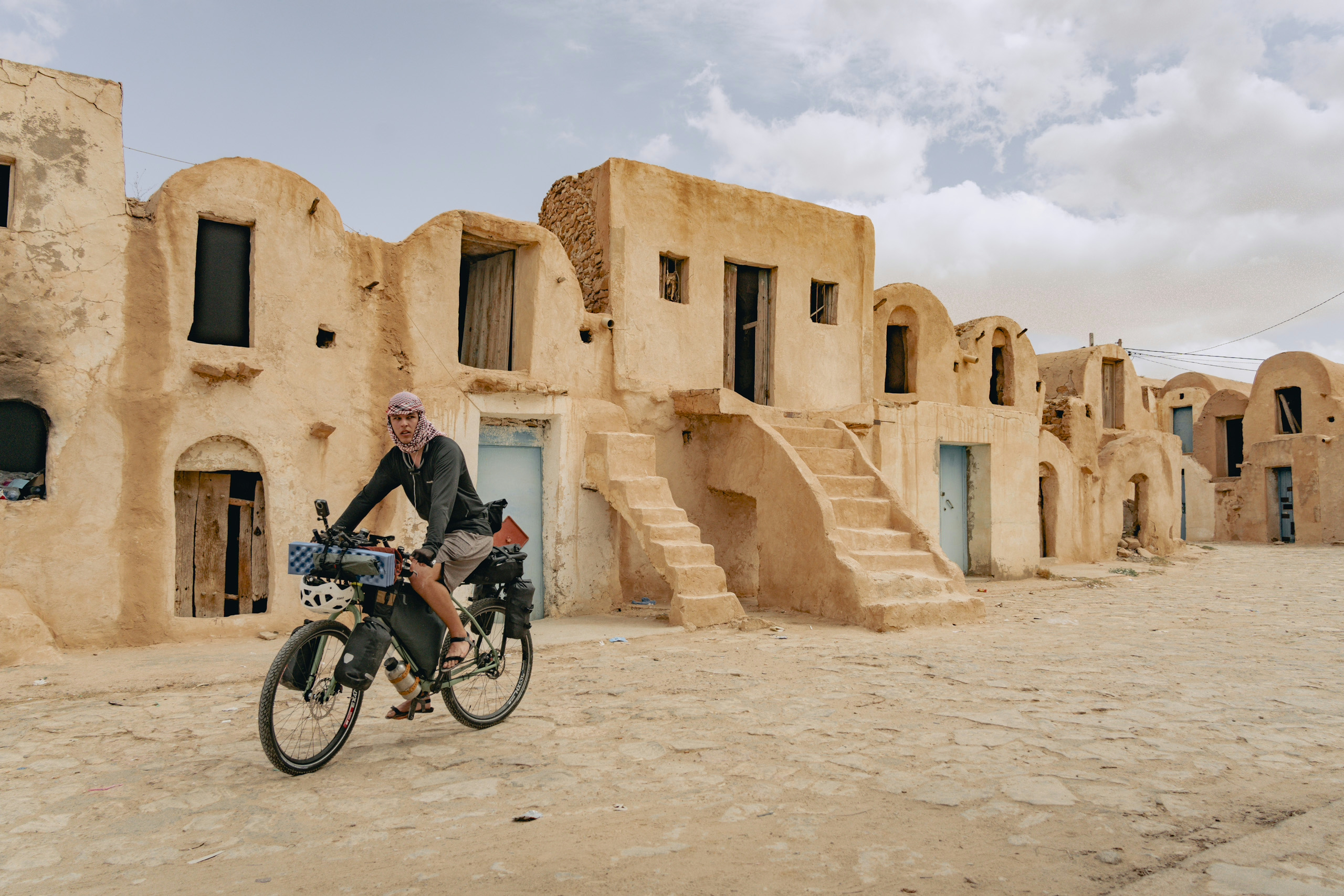
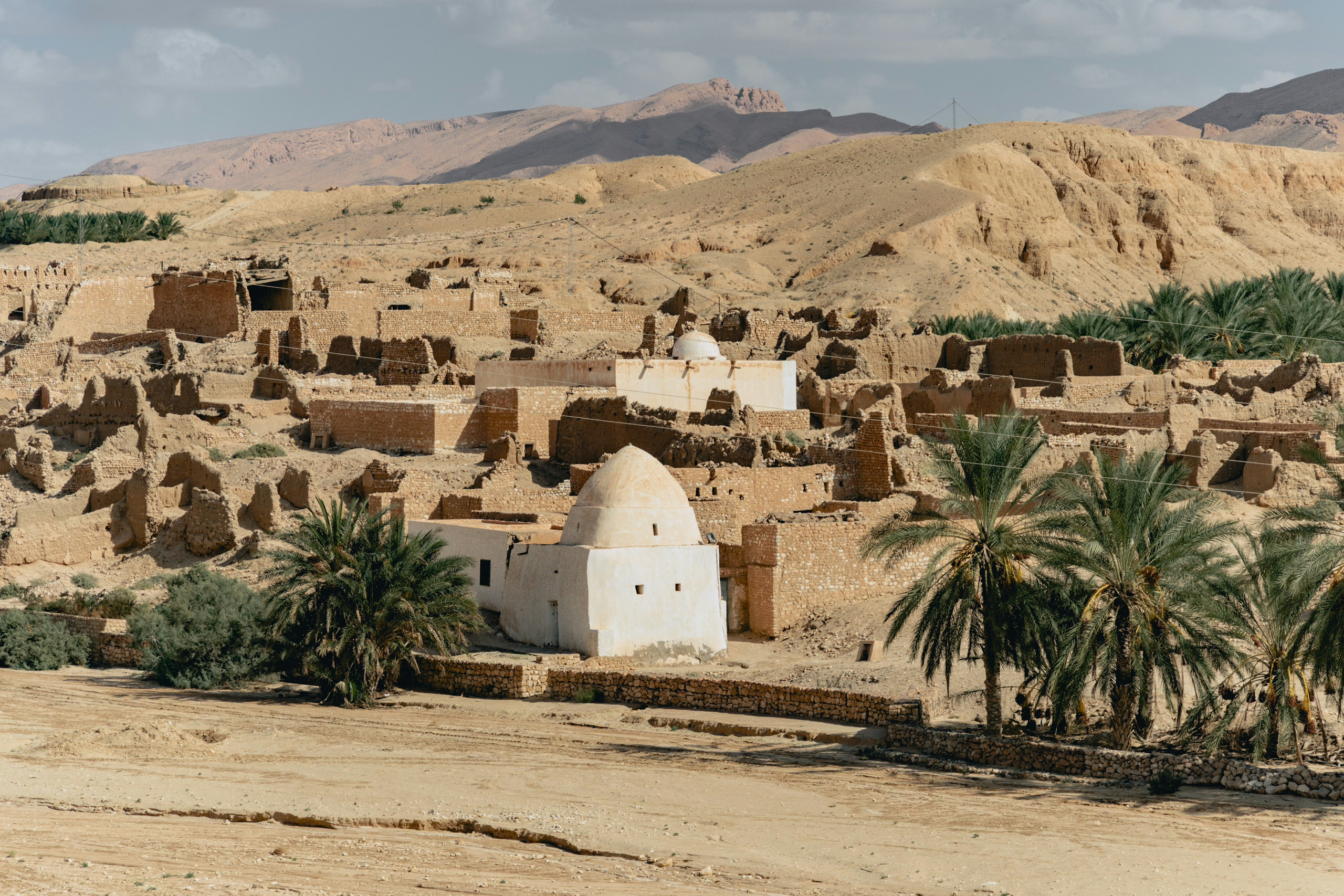
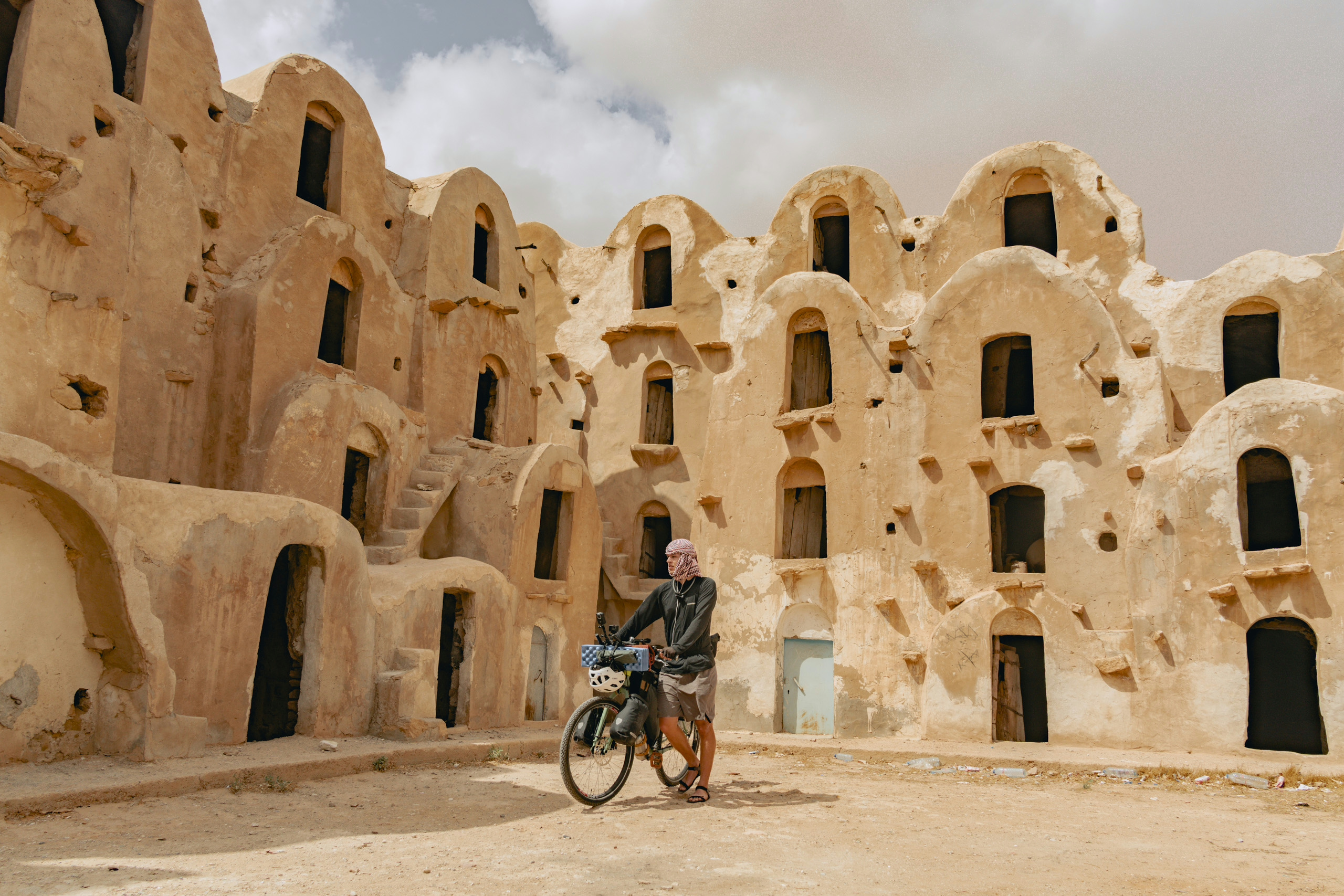
This route passes through many historic Berber (Amazigh, the indiginous people of North Africa) villages, so called Ksars. They are generally situated on top of hills, but in certain places there are actually settlements consisting of underground homes (“Troglodytes”). A lot of this Berber architecture actually inspired the Star Wars films by George Lucas.
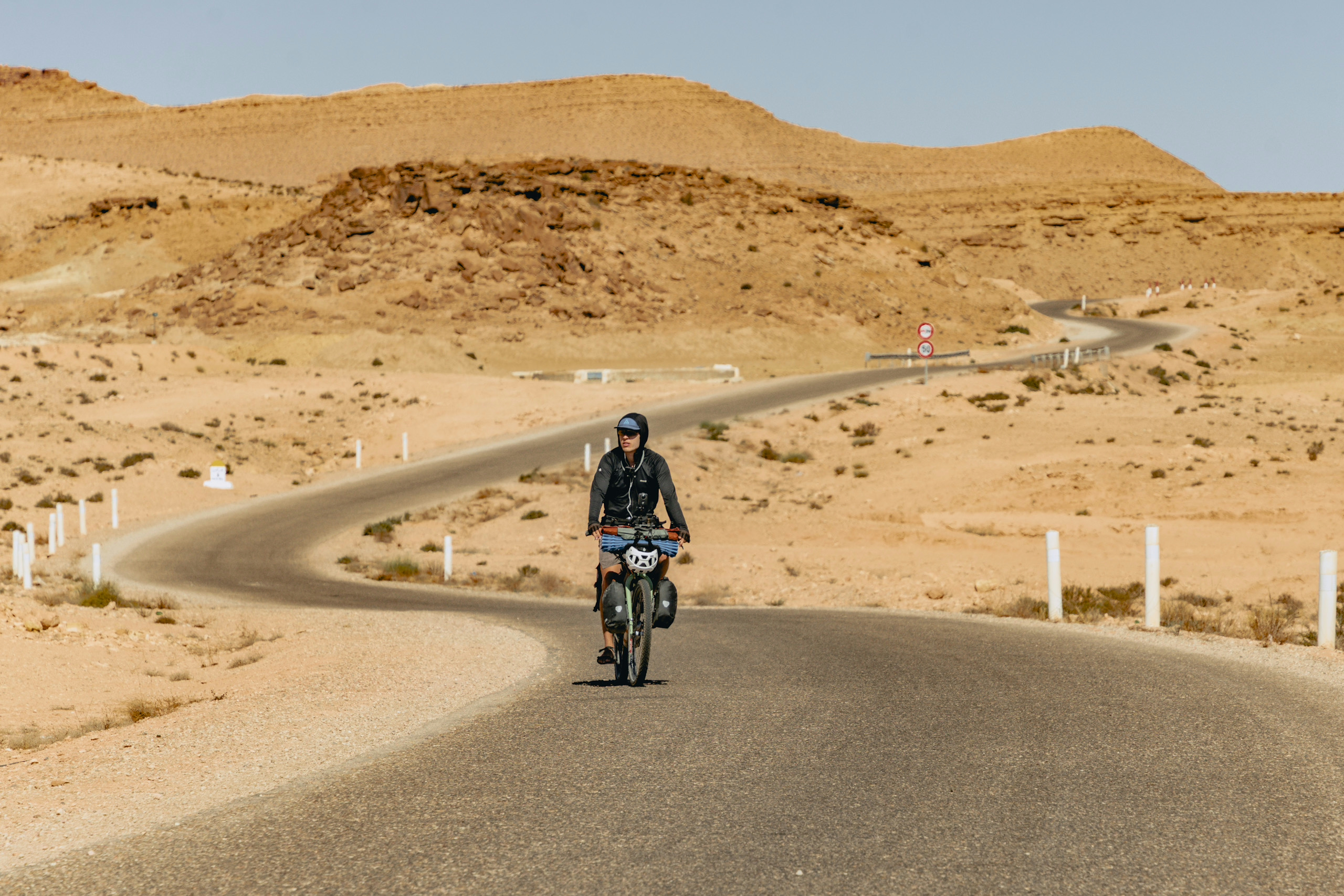
Roads are generally in good condition, and although most roads are lacking a hard shoulders, drivers are fairly respectful, the chaotic capital of Tunis being the exception. I arrived in Tunisia by ferry from Italy, and took a train from Tunis to the city of Gabes. There were no issues bringing the bike on the train.
The route finishes in Tozeur, from where you could depart by plane, bus or train. Or you could attempt to continue towards Algeria, where you will be turned away at the Taleb Larbi crossing unless you have an Algerian tour guide. Then you could try to cycle towards the Bouchebka crossing instead, but realise that this region in Tunisia is better to be avoided, because the police will insist on escorting you.
Difficulty & Challenges:
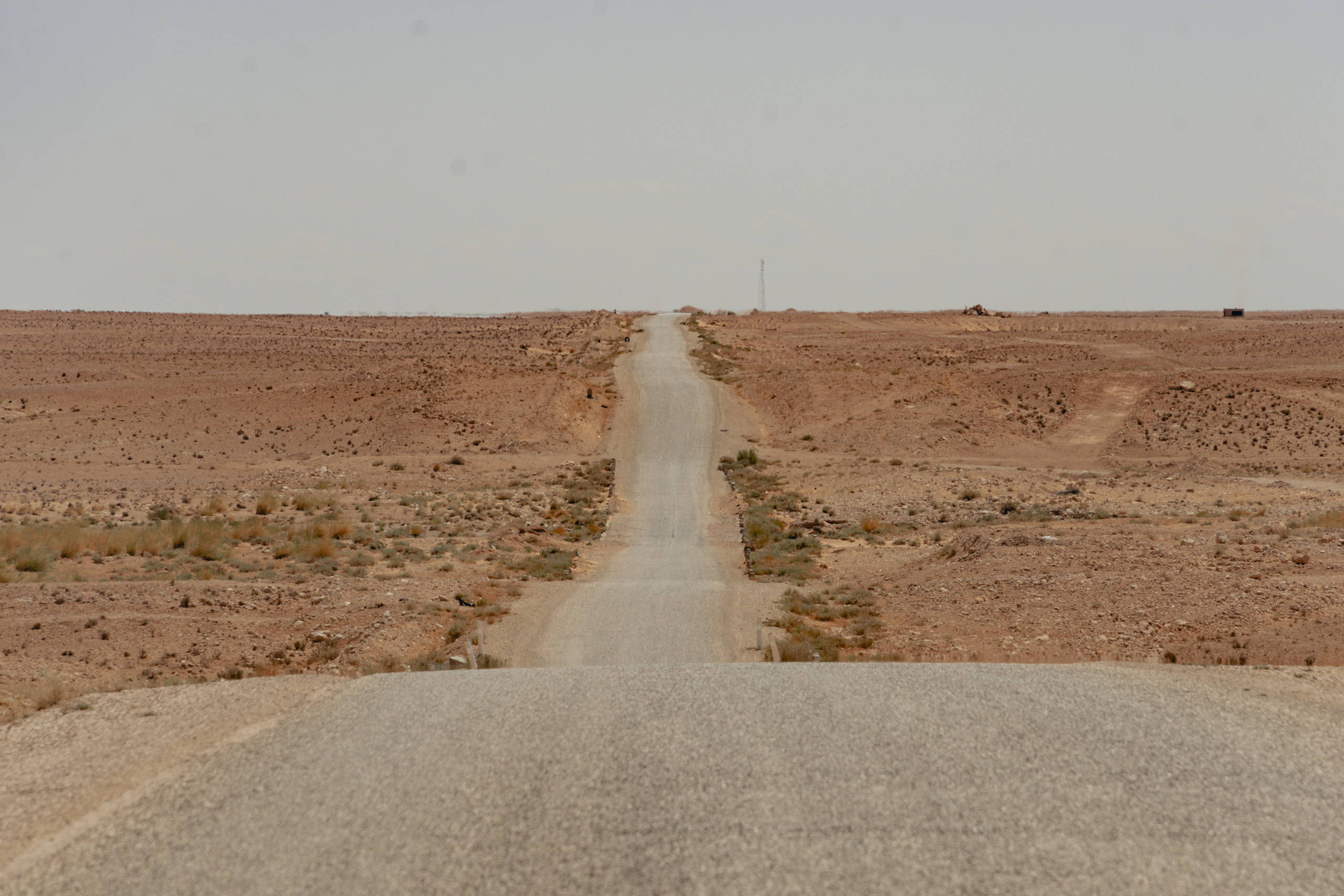
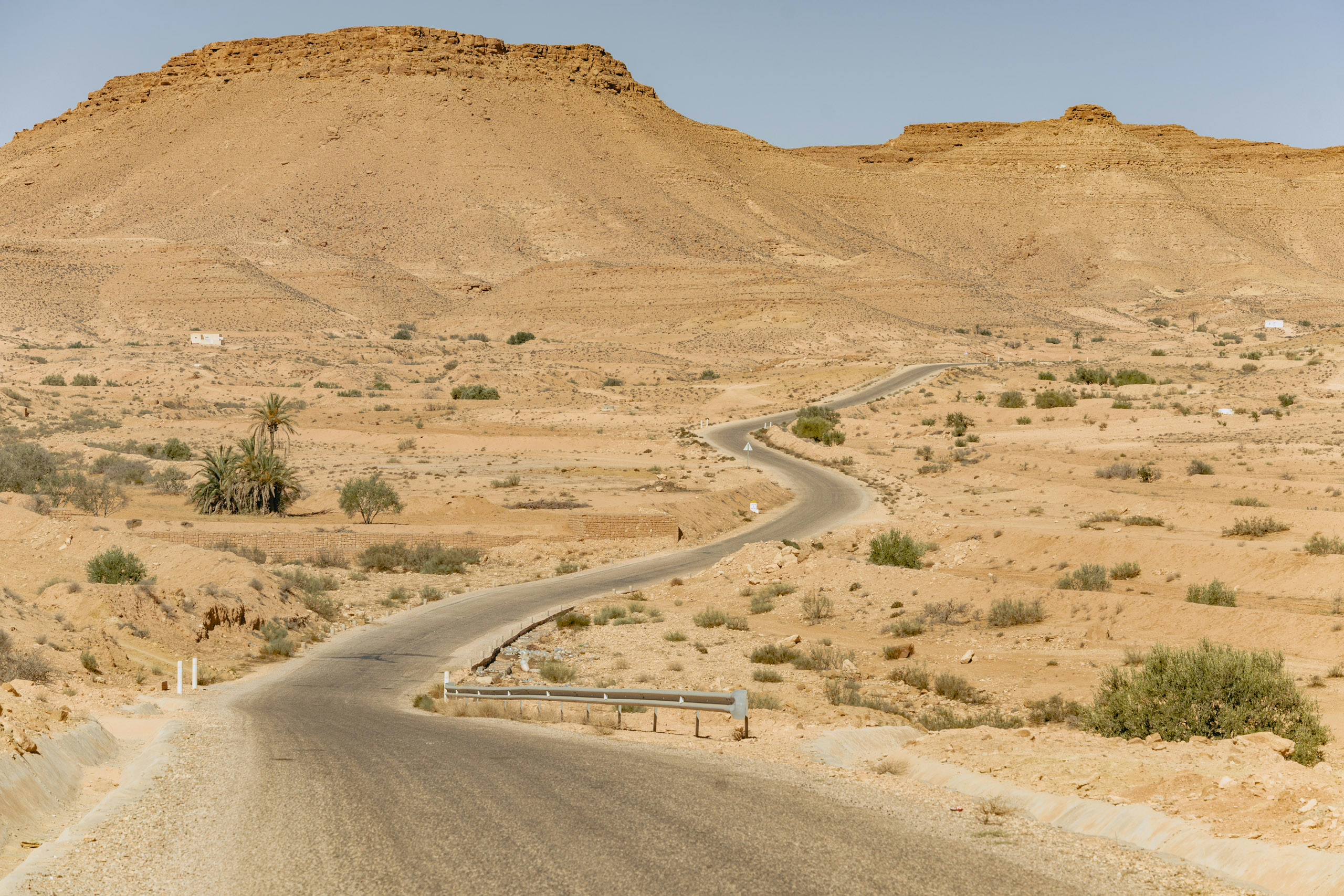
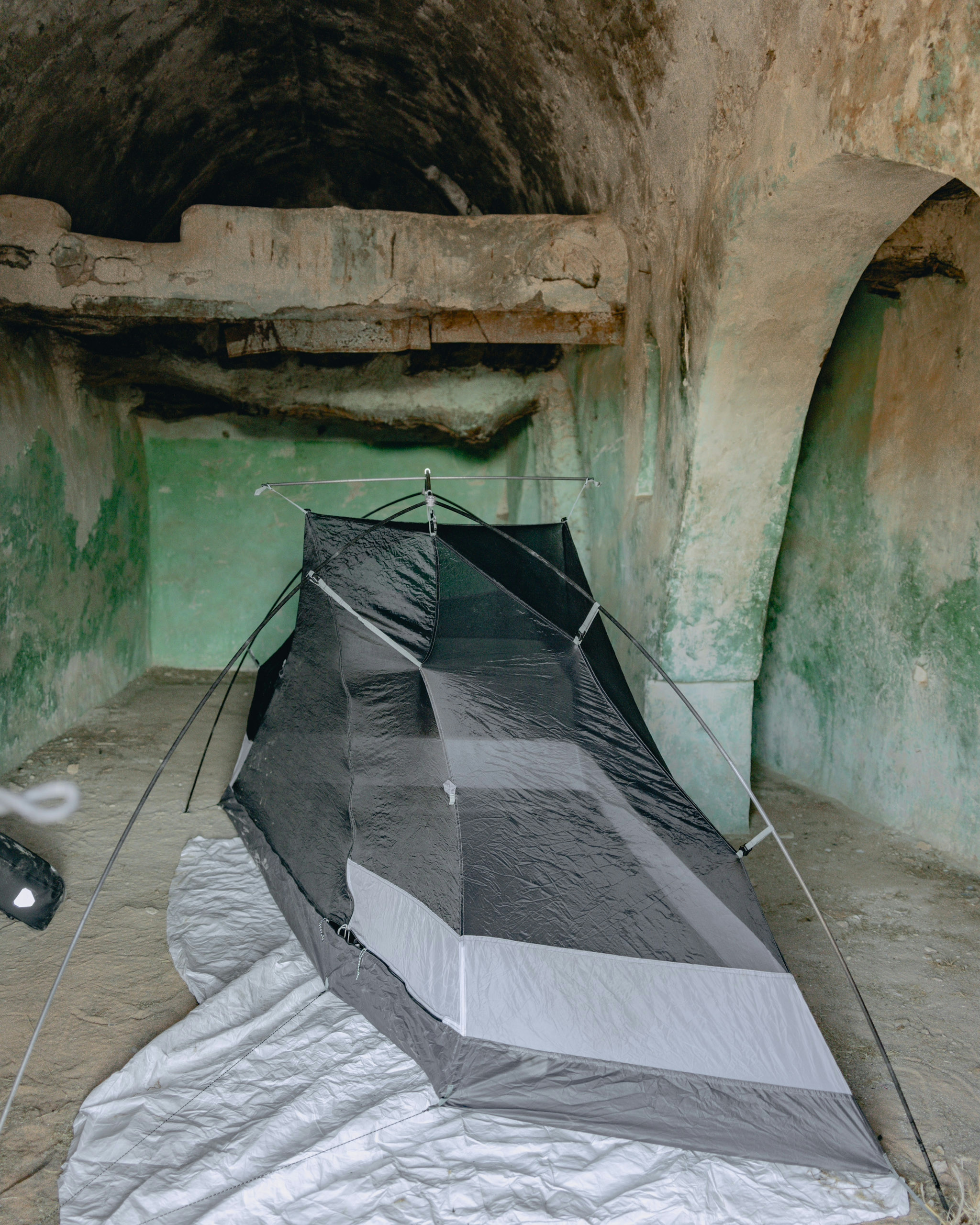
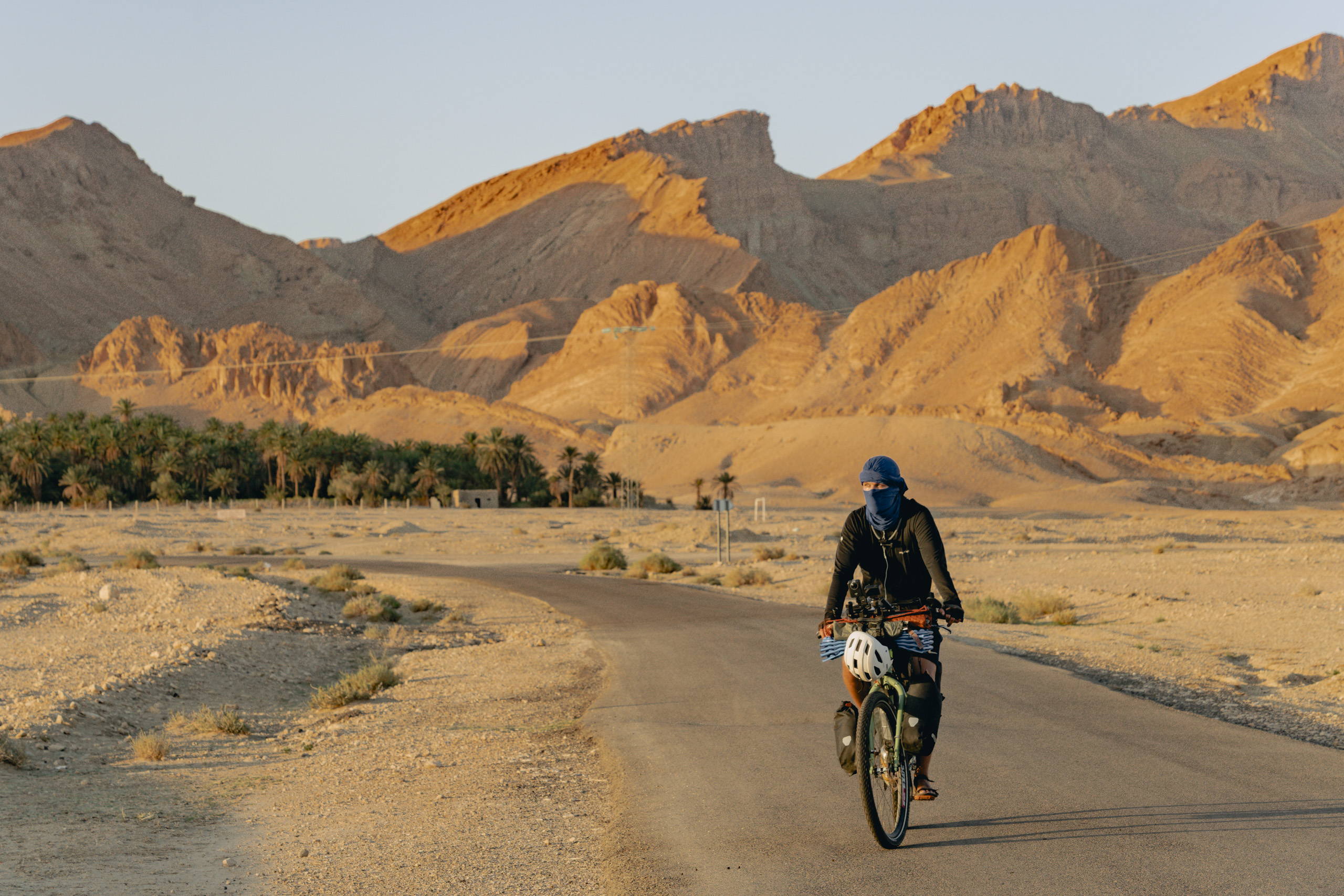
Cycling this route is fairly straightforward, there is very little elevation gain and most roads don’t see much traffic. Tunisia is a relatively safe country, there is not a lot of crime, especially in the rural areas. Some people might try to overcharge you in touristic places, otherwise the locals are friendly and welcoming. Wild camping was no problem at all. The abandoned Berber caves & storage facilities can make a nice place to pitch your tent.
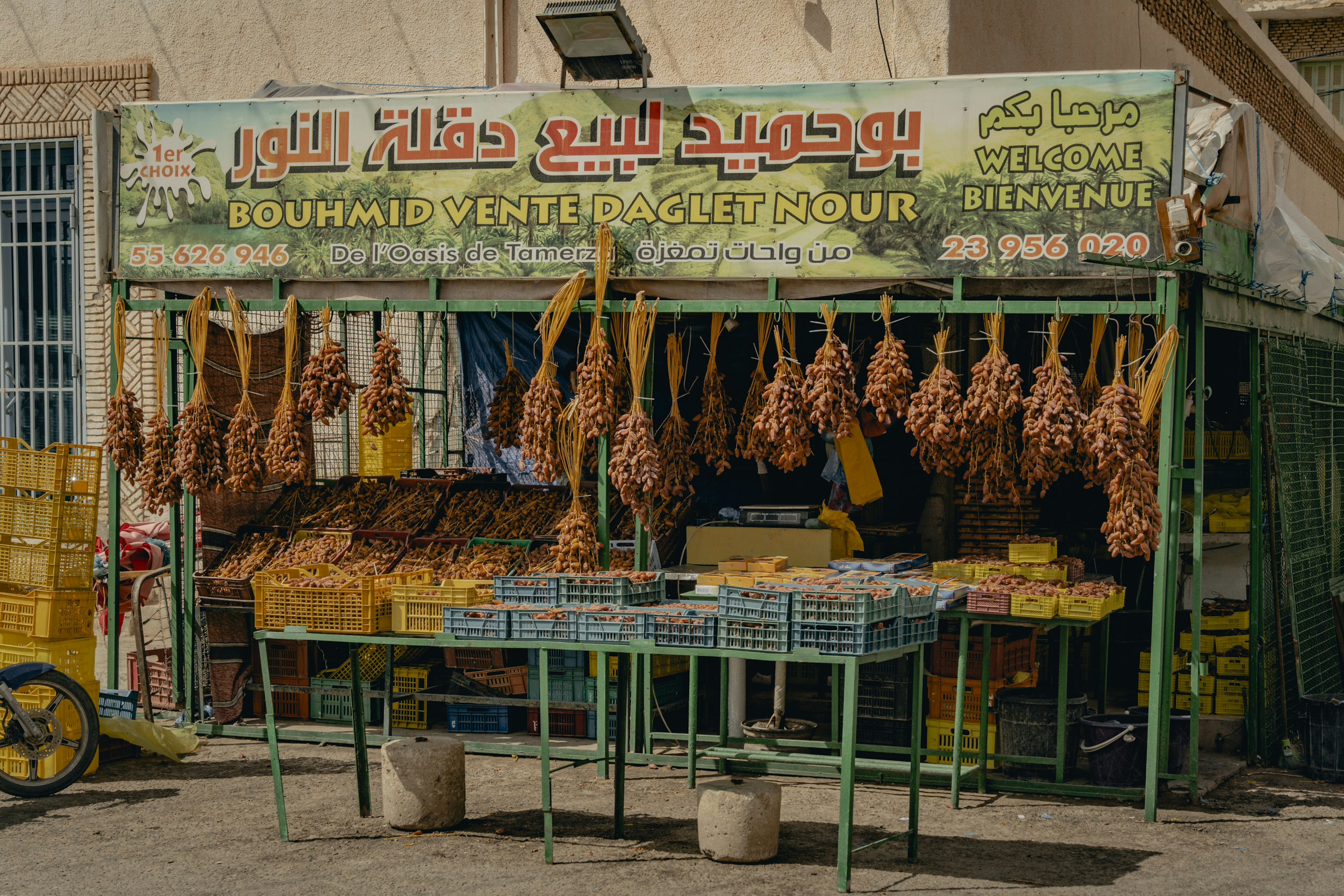
In most villages you will find a small shop selling basic necessities, including bottled water. Plastic pollution is quite a big problem in Tunisia, if you aren’t too sensitive it might be better to bring a water filter and drink from the tap. I did so occasionaly without issues. The longest stretch (≈130km) without resupply points will be between Chenini and Douz, so pack your supplies accoringly.
While the majority of the population is Muslim, the country is not overly conservative. Many of the locals drink alcohol, and women can pretty much dress as they wish, although short shorts and exposed shoulders might get you a few odd looks.
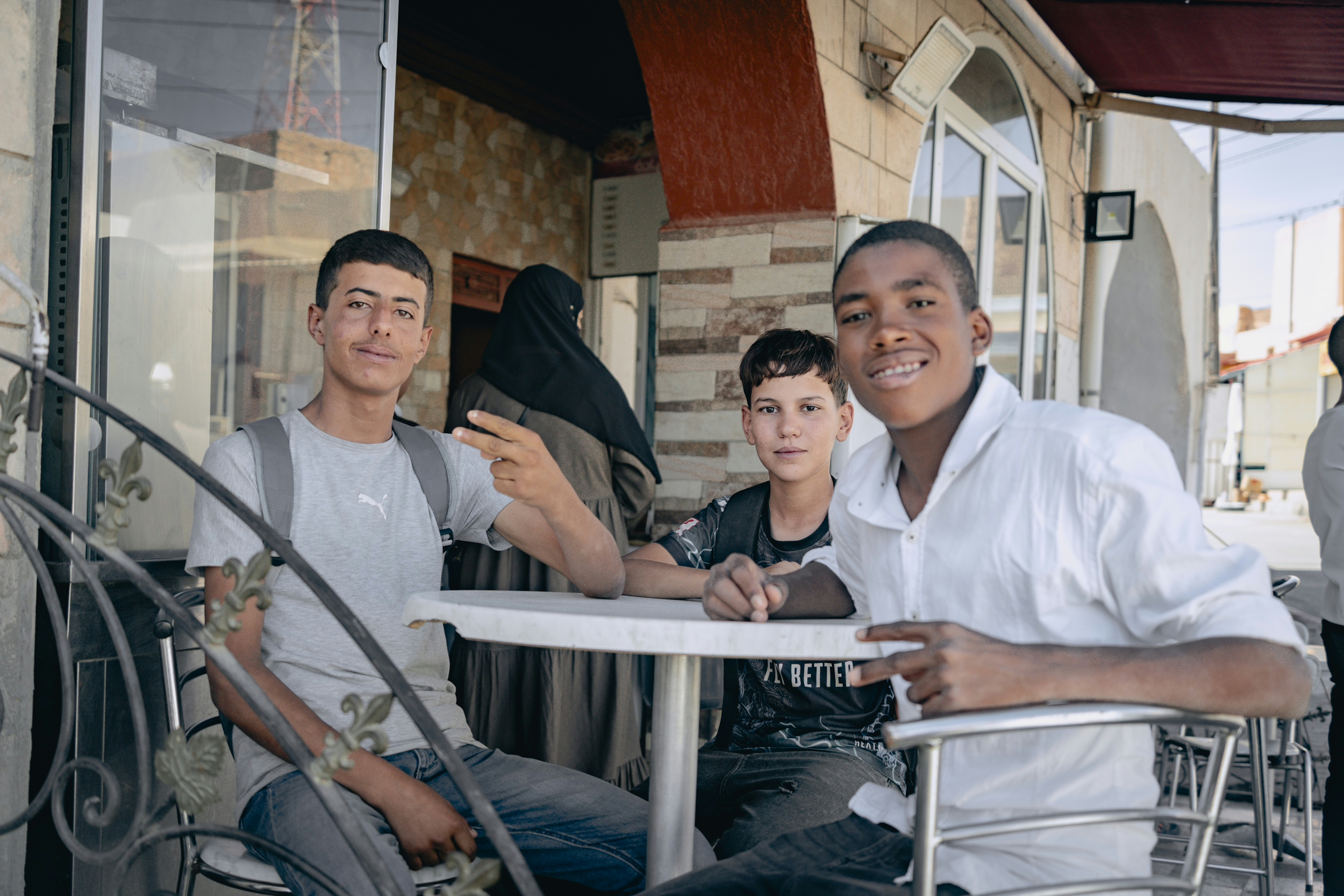
The official languages are Arabic and French, a lot of the youth also speaks decent English, the elderly population generally not.
If you want to explore Tunisia beyond this route, I would suggest skipping the Kasserine governorate, as this region saw some minor security concerns in the past, and until today the police insists on escorting independent travelers. I image in the far South, near the Libyan border the situation will be similar.